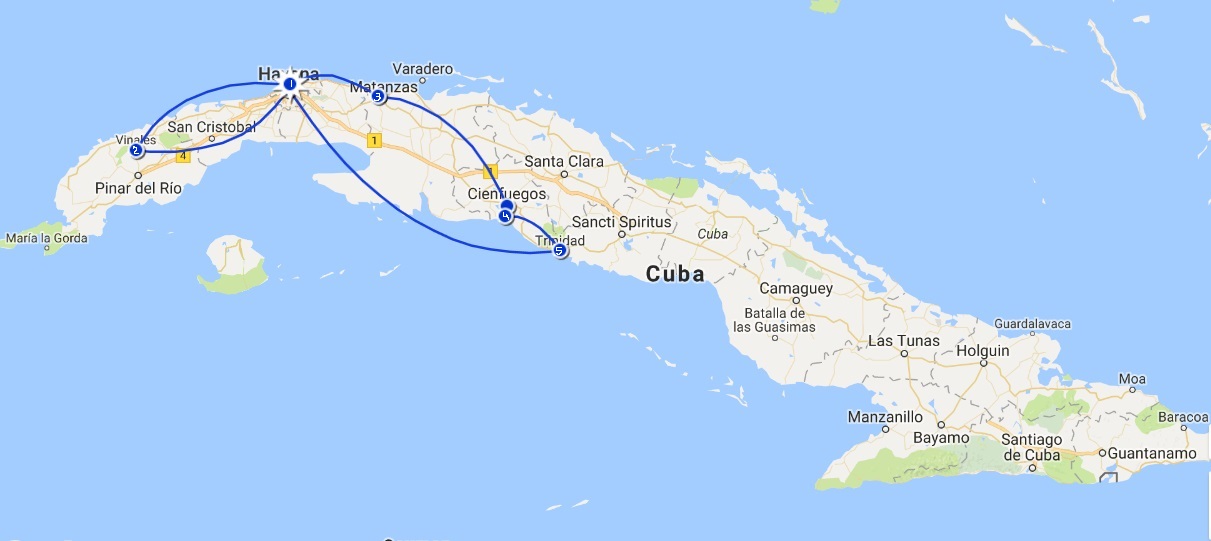
Jan 21 Havana
Jan 22 Havana – old town, Alamar, Malecon
Jan 23-24 Vinales
Jan 25 Havana – Morro Castle, Casa Blanca, train to Matanzas
Jan 26 – Cienfuegos – Old town, Paseo El Prado
Jan 27 – Jagua Fortress, Juragua Nuclear Plant
Jan 28 Trinidad Old town, back to Havana
Jan 29 Havana
__________
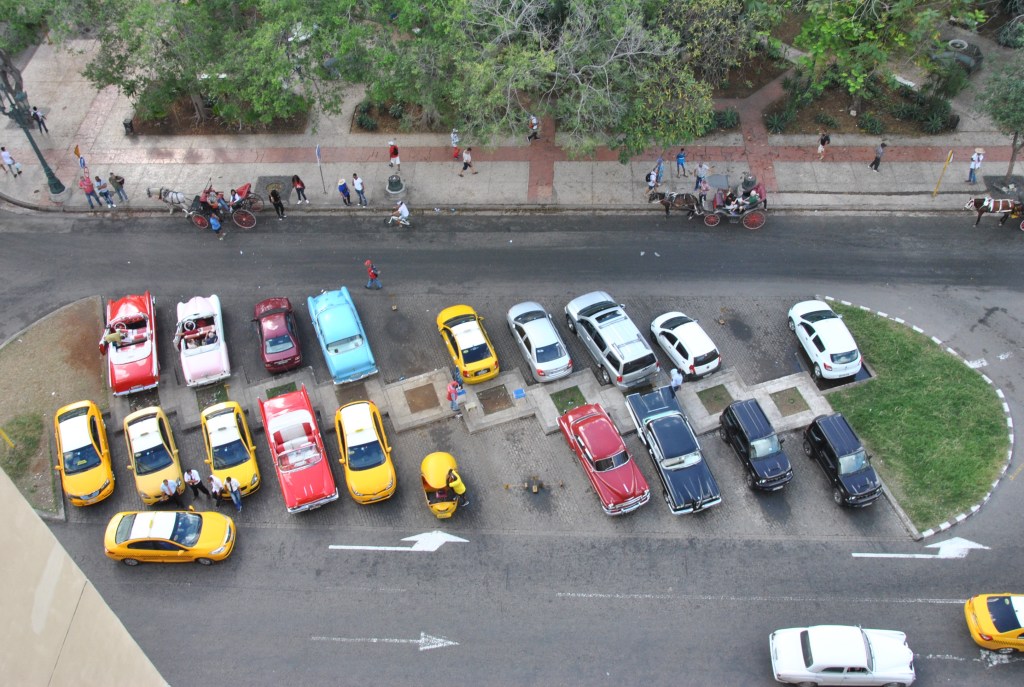
Late afternoon. Warm wind, humid air. Retro automobiles all around, taxi drivers enticing to hop into one of them and reach Havana Center. In Spanish. Alright, that makes sufficient evidence that we are in Cuba! It took Yury and I a couple of hours traveling in a shared local taxi to central Havana, where the darkness had stepped in by then. Passing by the Grand National Theatre and Capitolio National, we paused at the magnificence of neo-classical and eclectic architecture raising above the liveliness of nightlife that filled streets and plazas. As we walked towards and along the Malecon (the sea wall avenue), I thought that past history and old-fashioned ways of being often seemed to be manifesting in this city over modernity, which created charm in many patterns. Those patterns we were about to explore in the next seven days.
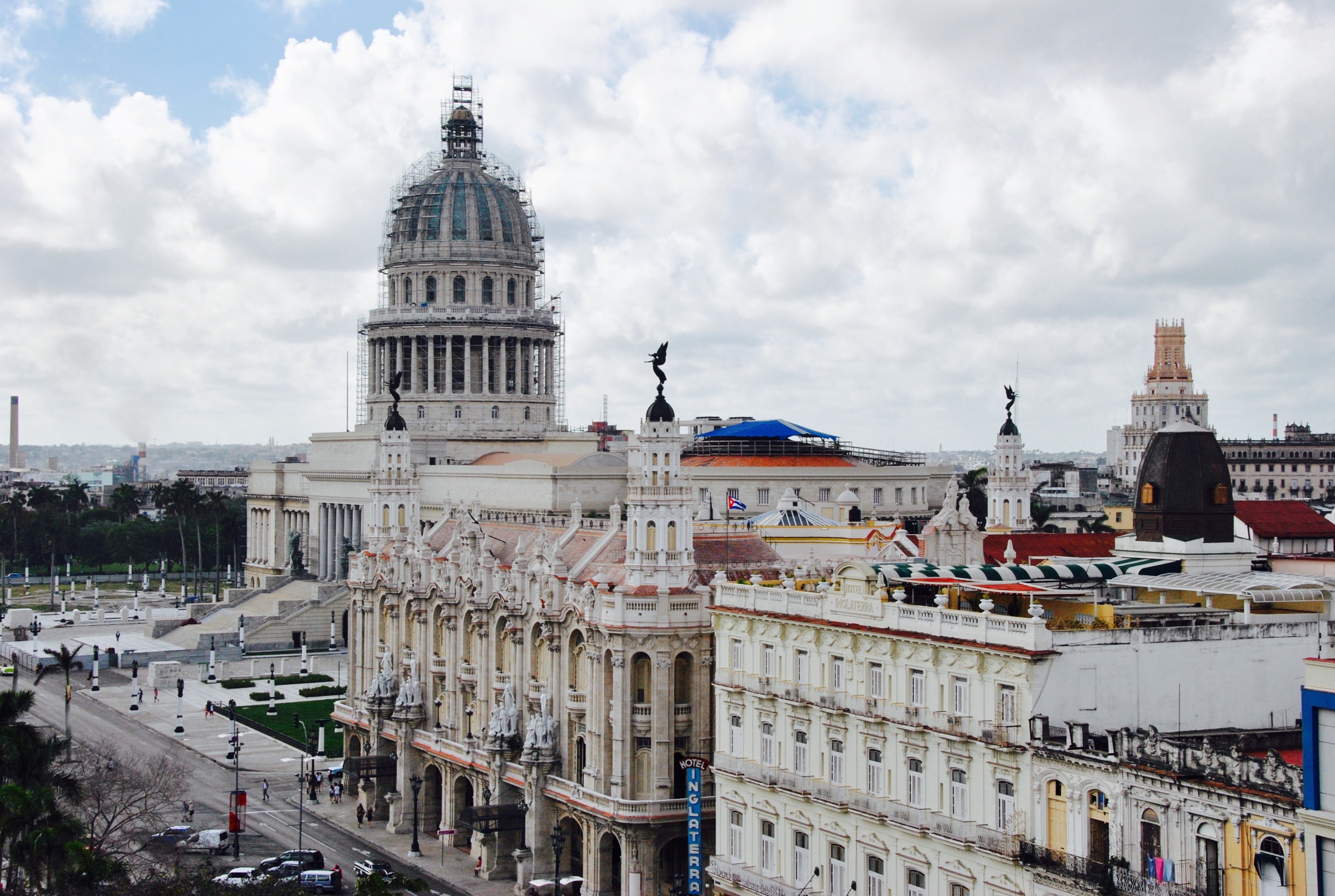

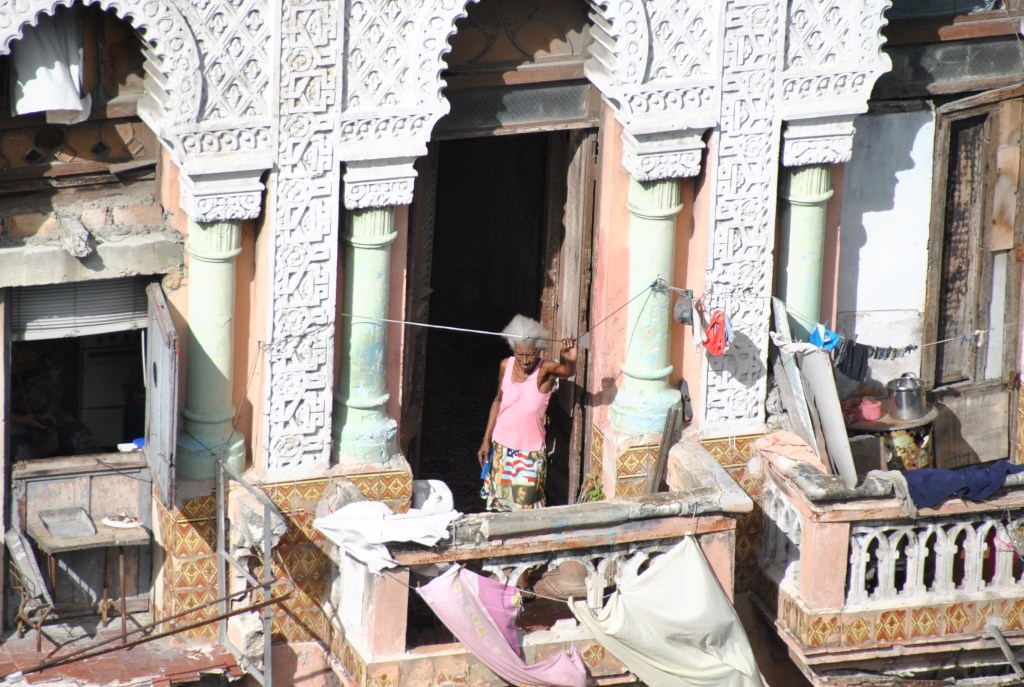
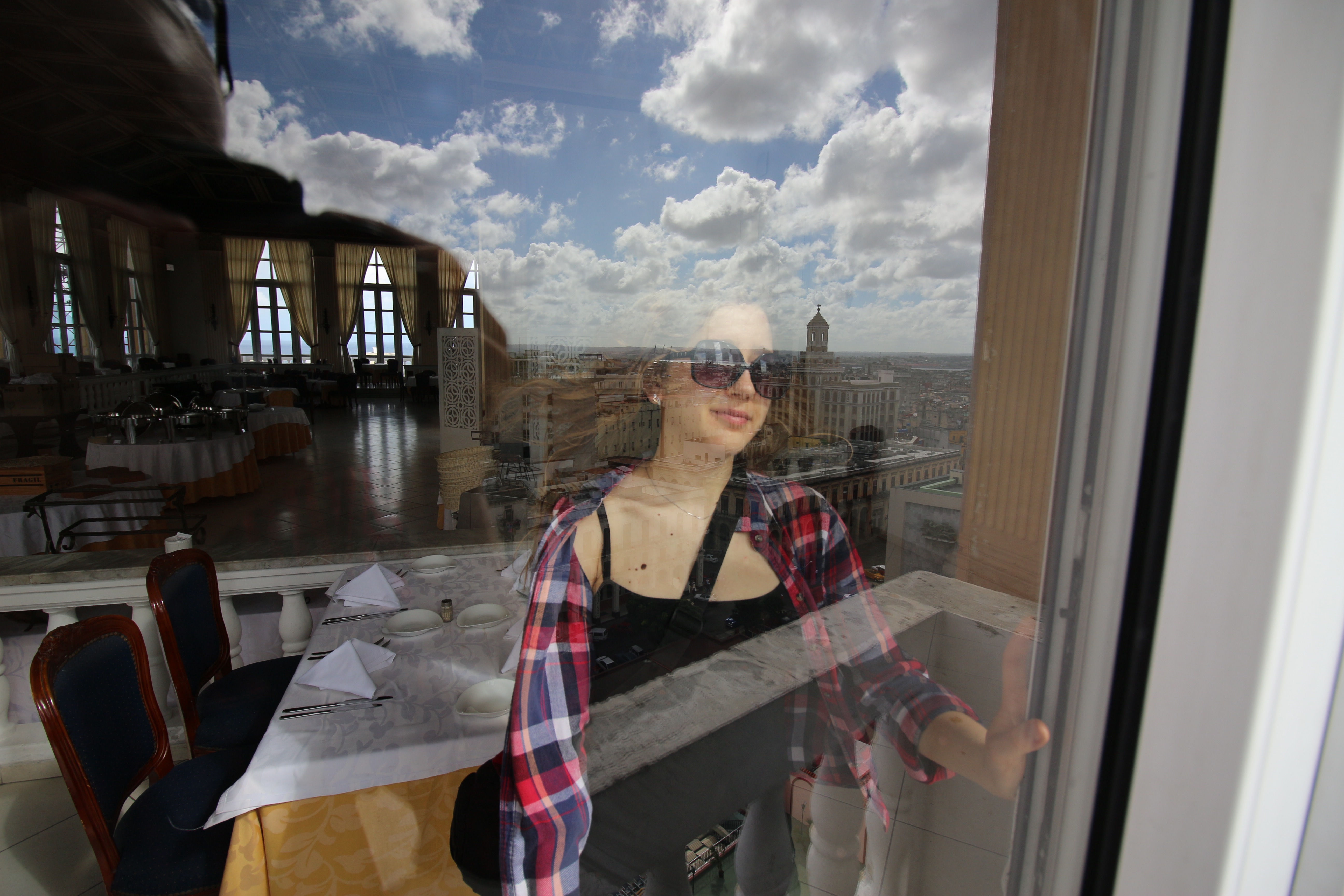
The following morning, while taking a stroll through residential quarters of Havana towards Plaza Vieja, we noted the obvious poverty of urban dwellers, neglected and unsound buildings, and slightly humorous looks on local faces. Yes, the community here doesn’t relish in luxury, but there is remarkable avidity, openness, and grounded outlook on life amongst Cubans.
While we aimed to experience authentic lifestyle, whenever an opulent hotel, such as Hotel Nacional de Cuba, with a rooftop view was near, we would find our way to the top to enjoy the exquisite art-nouevau interior details, stained glass, and murals. The décor and maintenance of premises for wealthy tourists are usually impeccable and contrasted with the widespread paucity around. Nonetheless, there is incessant liveliness in the streets and everyone seems engaged and animated.
Next on our list today was the visit of a planned neighborhood of Alamar on the outskirts of Havana. Boring, prefabricated structures made me fall asleep while our driver talked about the Soviet housing project in the area. As we headed back to Old Havana to meet Vikman and Kristal – the two of our companions for the rest of the trip, the day was rolling into night. Again, the charm of the city at night awakened me to a sense of adventure, and there we were – walking along the Malecon, smoking cigars, and engaging into conversations with strangers. Out of curiosity, we swung by the Russian Restaurant that turned up on the way. I appreciate such eastern-European nooks in various parts of the world. “Na Zdorovie” was filled with Soviet propaganda posters themed around pace and friendship. It did not touch a string in my heart, but coffee and vareniki were most amazing. Conversations went on and on, cigars and beer were not ending, and we kept walking somewhere in Havana, near the sea wall. I don’t think we ate anything for dinner and it didn’t matter at all.
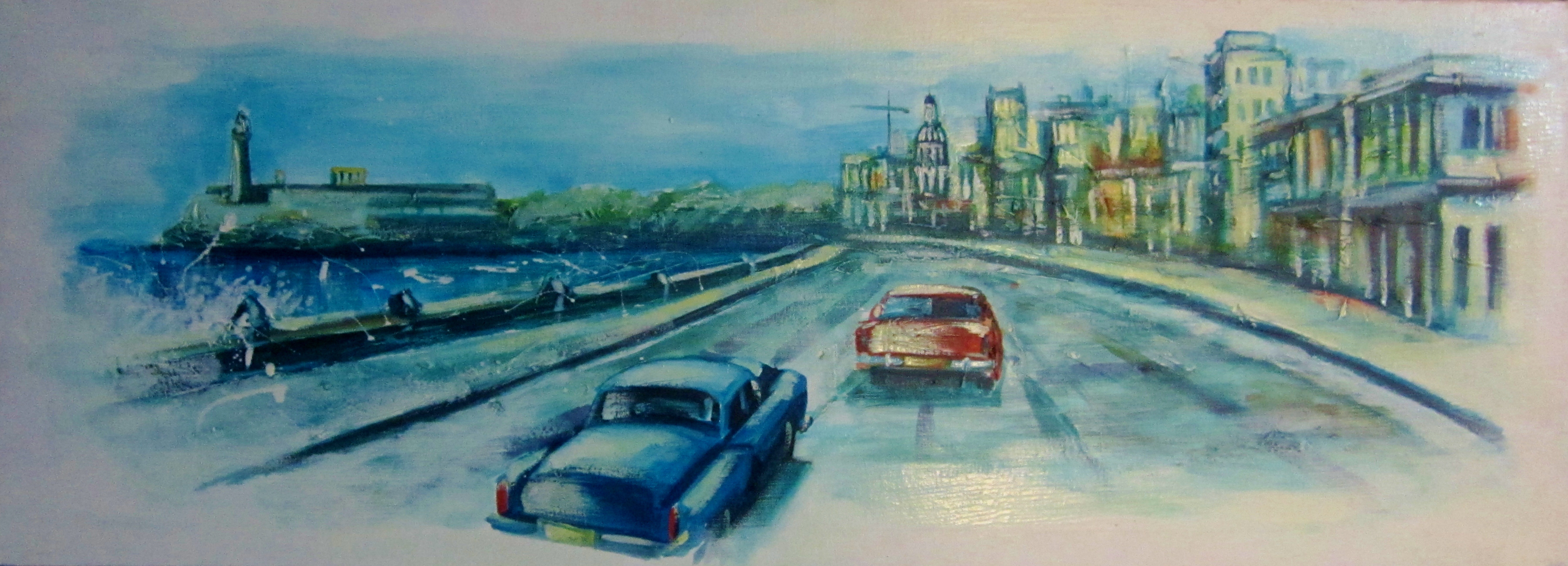 Malecon, old postcard.
The next day in the morning we observed a typical workday on planet Cuba. We easily peeked into the ground level windows – a small classroom with kids, all in uniforms and reciting homework; a local bazar; a casa particular and it owner offering a place to stay. On every street a rickshaw driver is inviting for a ride. All are your amigos, very few are idling. Our next destination was about two hundred miles to the east.
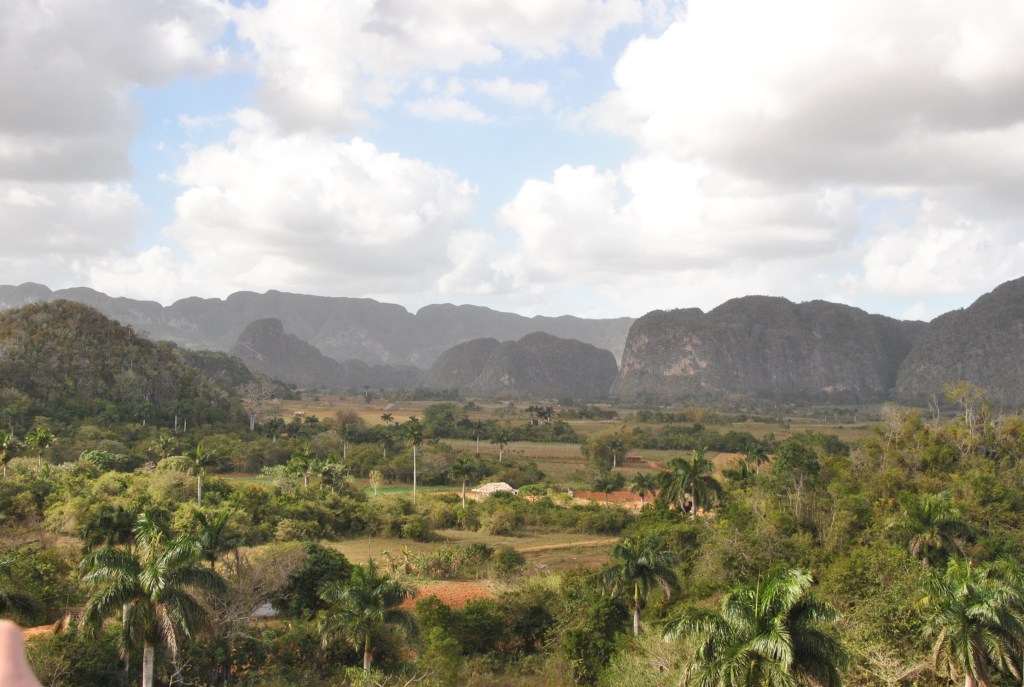
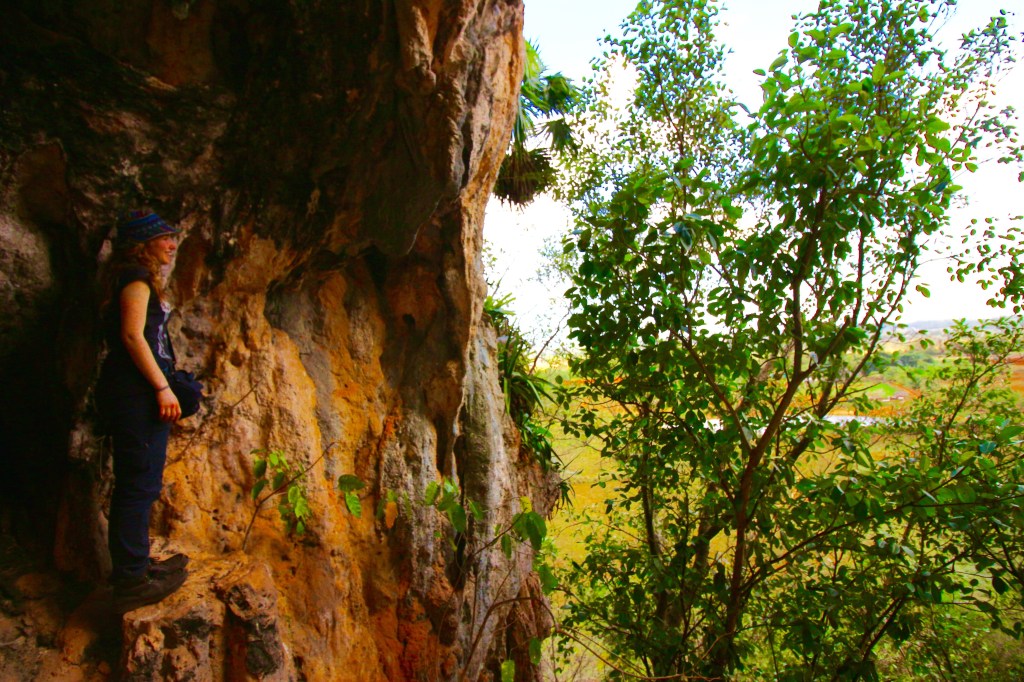
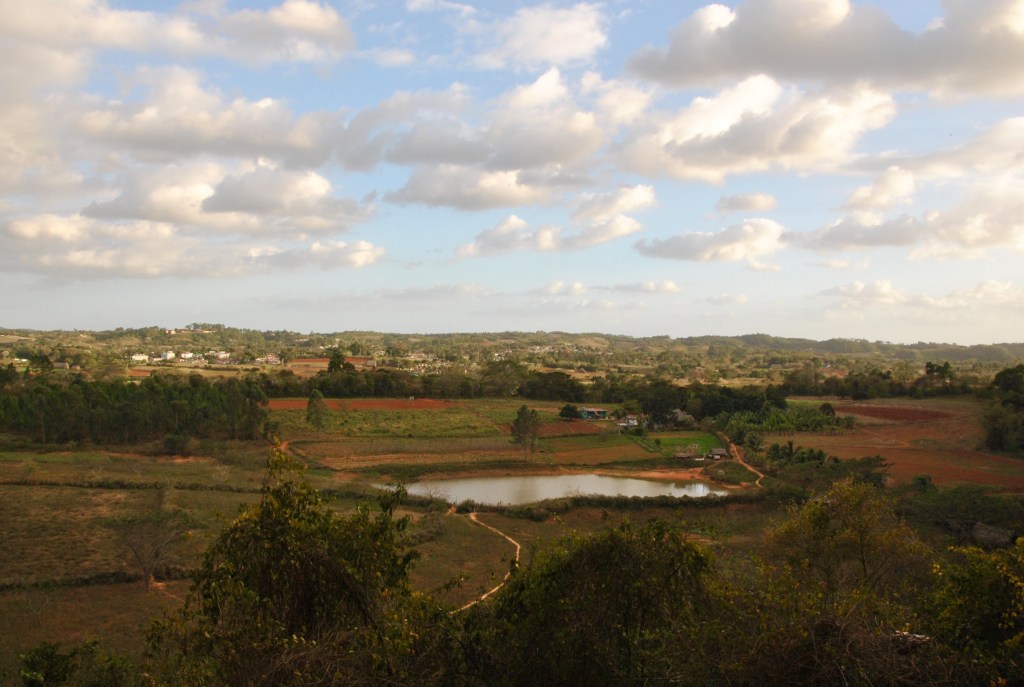
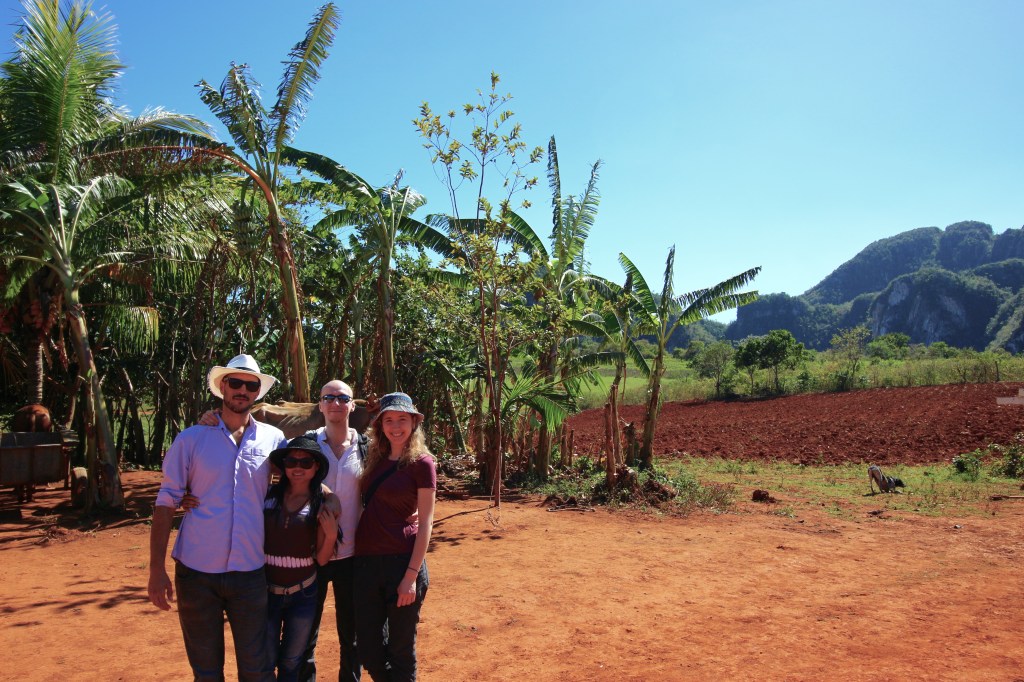
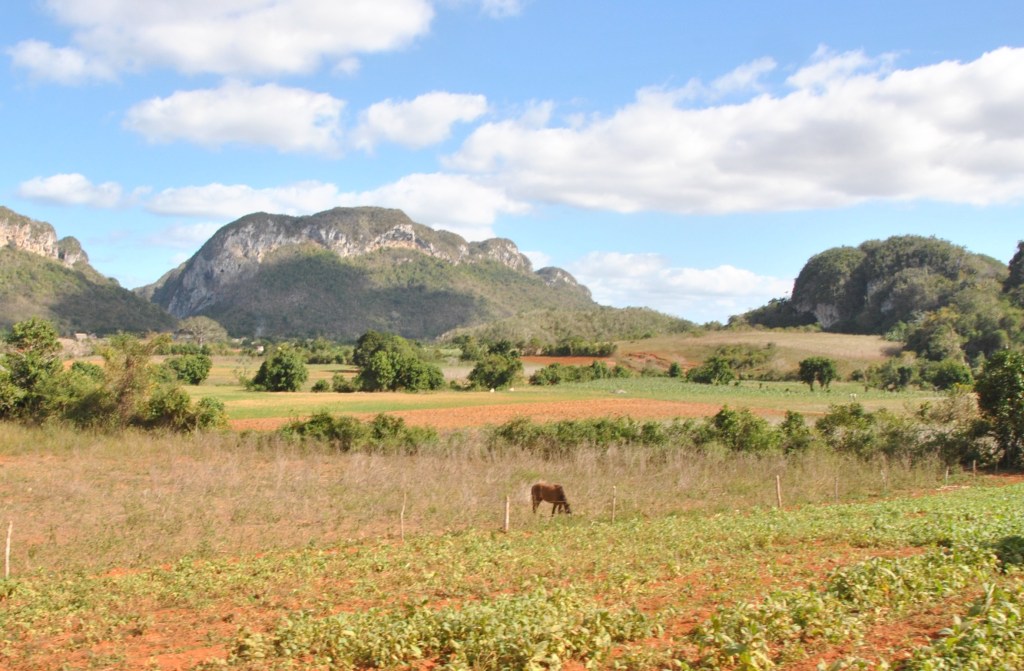
Upon reaching the bus terminal, we agreed to share a taxi ride to reach Valle de Vinales – a picturesque valley where we were to enjoy hiking along tobacco and coffee plantations, venturing inside cave tunnels, and – what turned to be most thrilling – riding horses across the vast fields of Vinales. Indeed, riding a horse unassisted for four hours became a highlight and truly most joyous portion of the trip. And imagine a good meal afterwards in a local cafeteria! That rice’n’beans and meat were most delightful and well deserved.
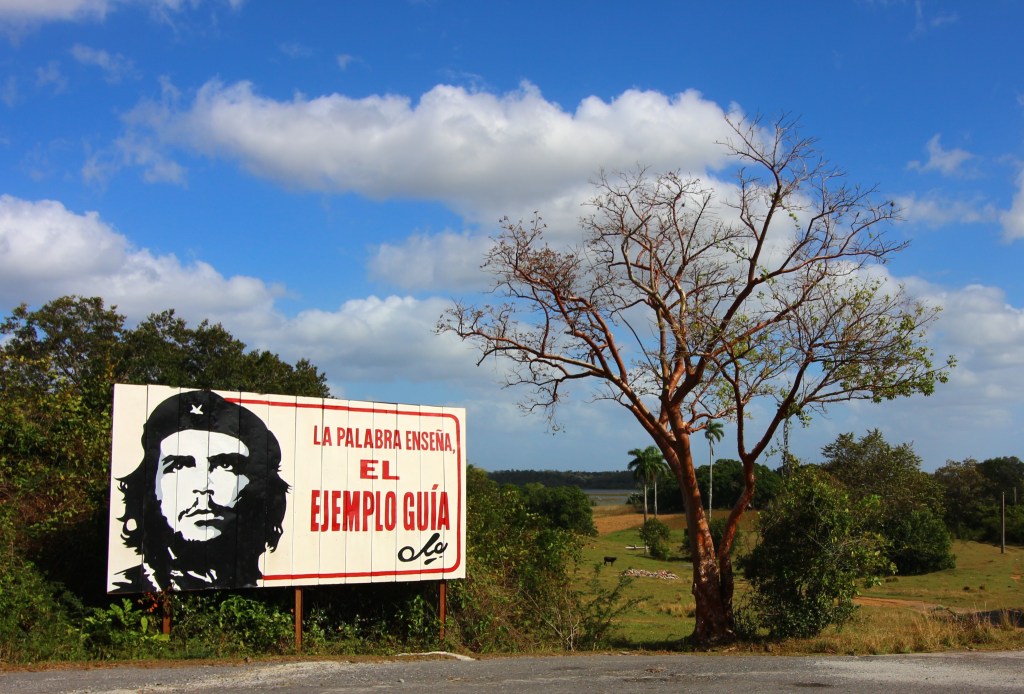
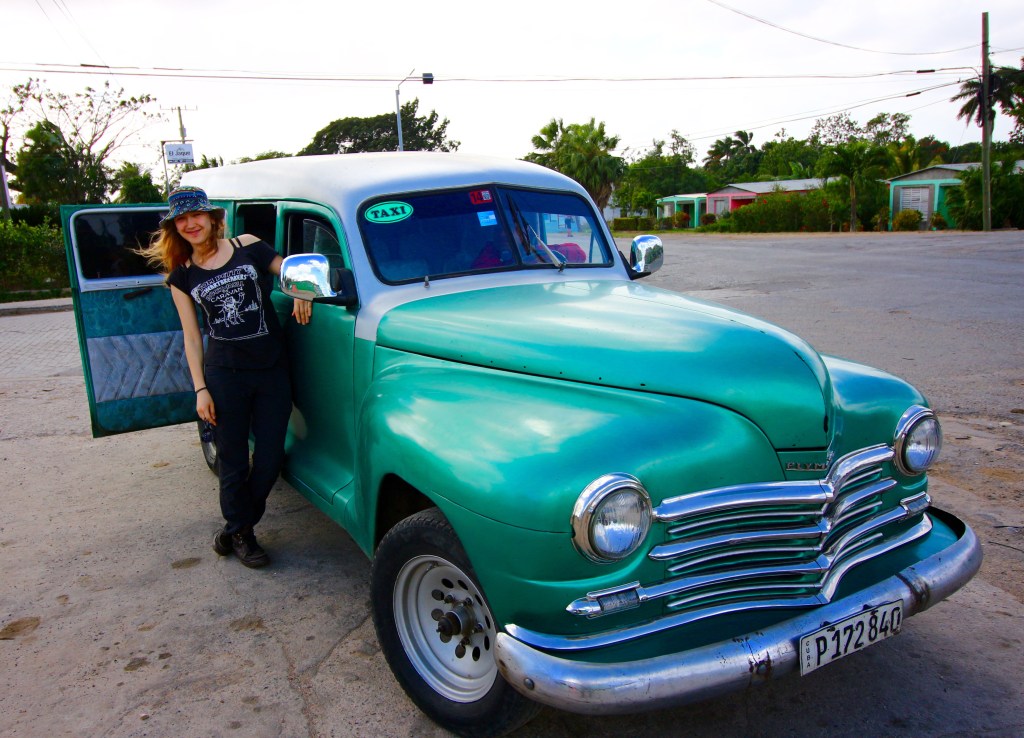



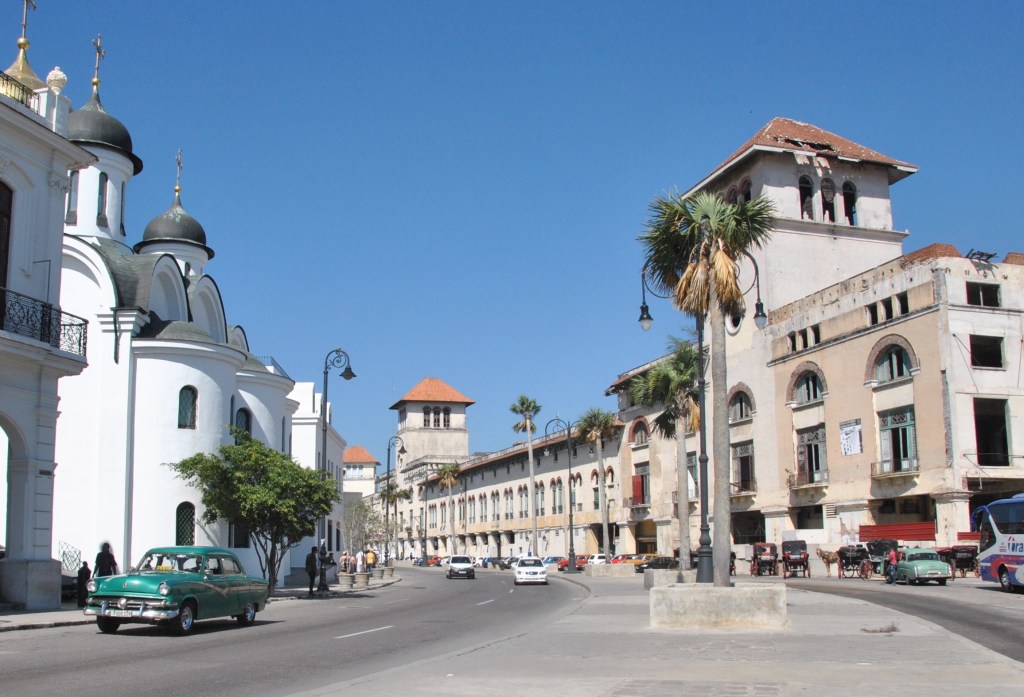
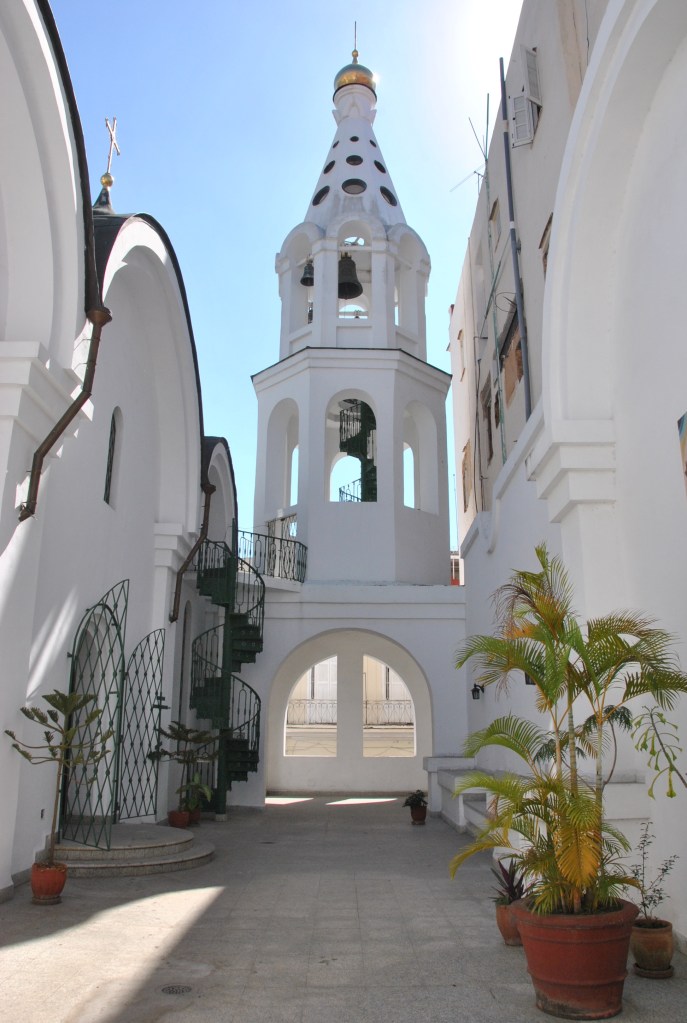
As entertaining as it was, we could stay in Vinales no longer. Next day was a whirlwind of sceneries, epochs, discussions, stray cats, and beers. The four of us took a shared taxi to Havana Port where we were to cross the Canal de Entrada and explore Castillio Del Morro. On the way to a ferry boat my attention was drawn to a Byzantine style cathedral with golden cupolas, which was La Catedral Ortodoxa Nuestra Señora de Kazáñ. A kind, Russian-speaking lady named Valentina, told about the church and her experience since immigrating from Minsk. I remembered her referring to the Cubans as friendly and opened. Next, Yury and I crossed on a boat to the other side of canal. We decided to wait for our companions in a small park by the shore, but the next two boats came without them. The disquiet grew more as we had no way to connect with them, and we took a boat back to the terminal, where we parted, hoping that no one got into trouble. As soon as we reached the river bank – Vikman and Kristal were there: laughing and waving. It turned out our friends had hopped onto a wrong ferry and just returned on time to catch us. Reunited, we crossed the channel together.
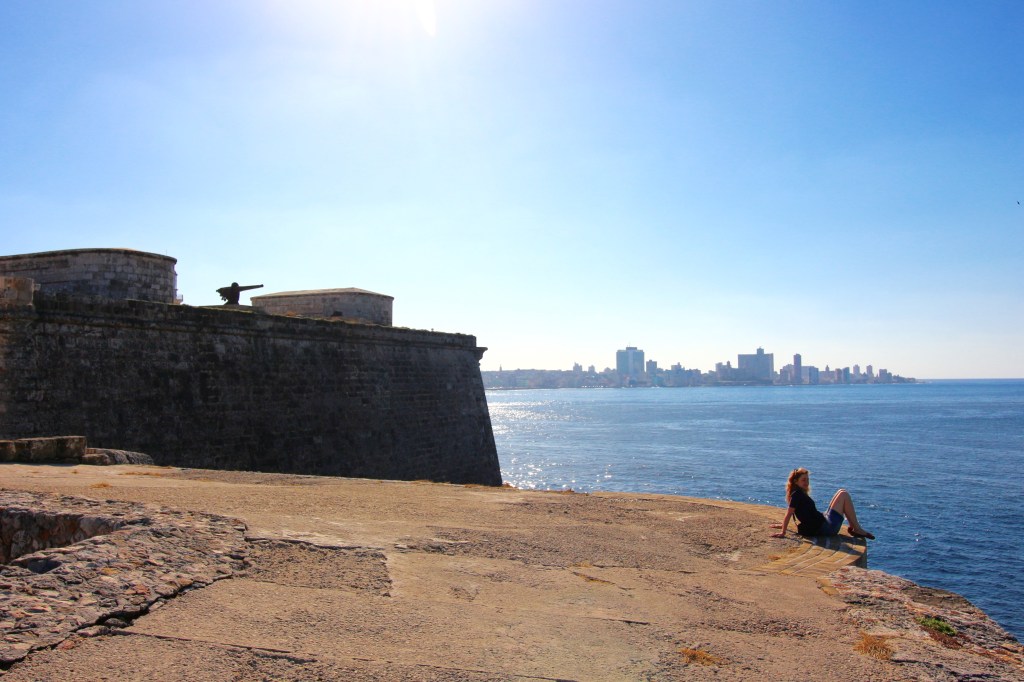
The boat took us close to the castle del Morro, and we headed to explore an ancient fortress that has been guarding the entrance to Havana bay since late sixteen century and was critical during British invasion in 1762.
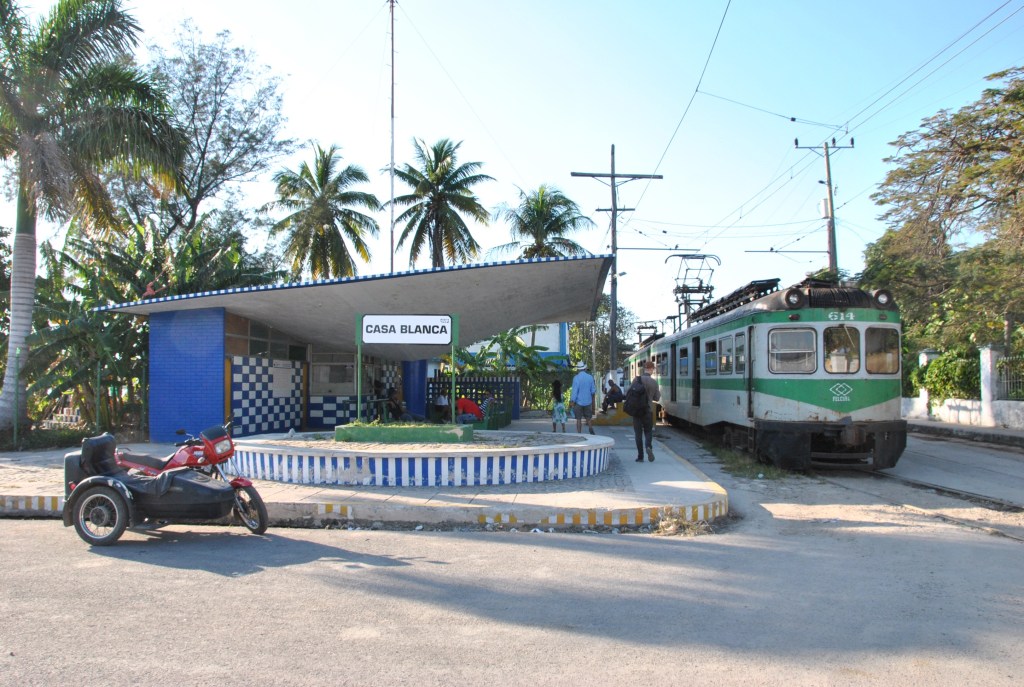
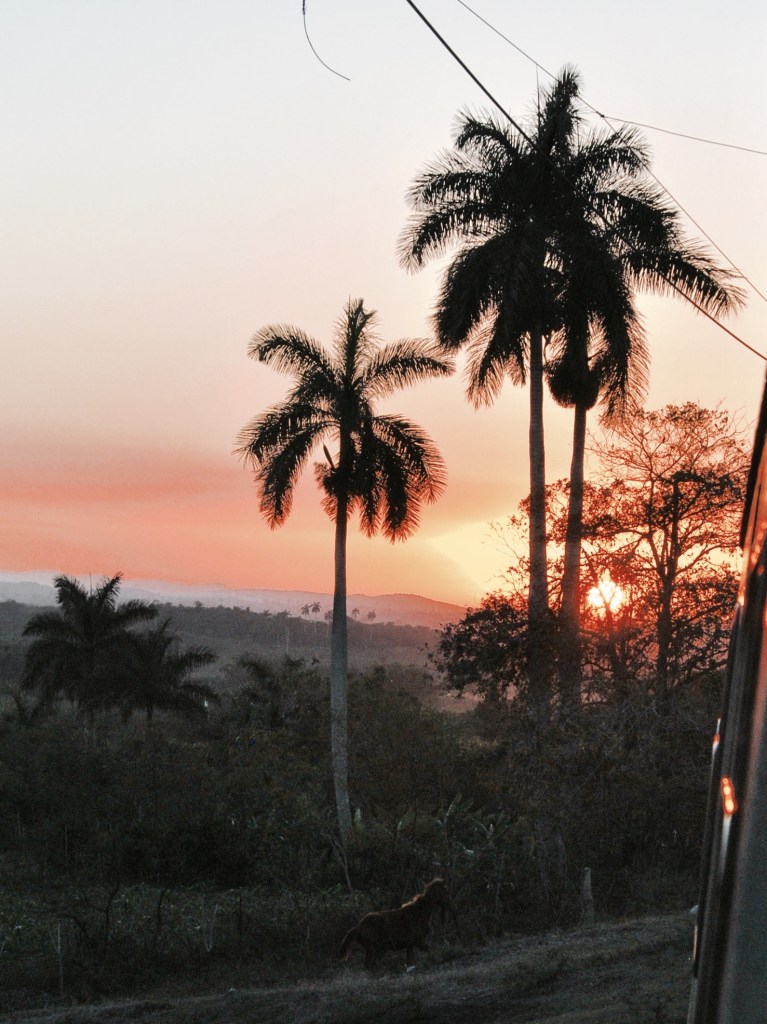
The deep waters of the Havana Harbor stretched ahead into the Gulf of Mexico, turquoise waves were hitting the fort’s invincible walls, the space was filled with calmness and midday heat. After an hour of resting under the sun, we headed towards Casablanca station to take an old electric train and visit Hershey town. In the past, Cuba had one of the most well developed railway networks in Latin America, but not any more. The system is currently dilapidated because the infrastructure has been neglected for decades. However, such conditions in itself fill the train ride with nostalgia, fun, and wonder. Two things I wont forget about the four-hour-long train ride are the sunset over the vast plantations and most delicious five peso sandwiches we fetched from one of the stations on our way. We traveled about a hundred kilometers towards Hershey town and saw nothing but old, abandoned factory structures inhabiting the town. The decision was made to ride the train until the very last stop – the City of Matanzas, which was not in our original plan.

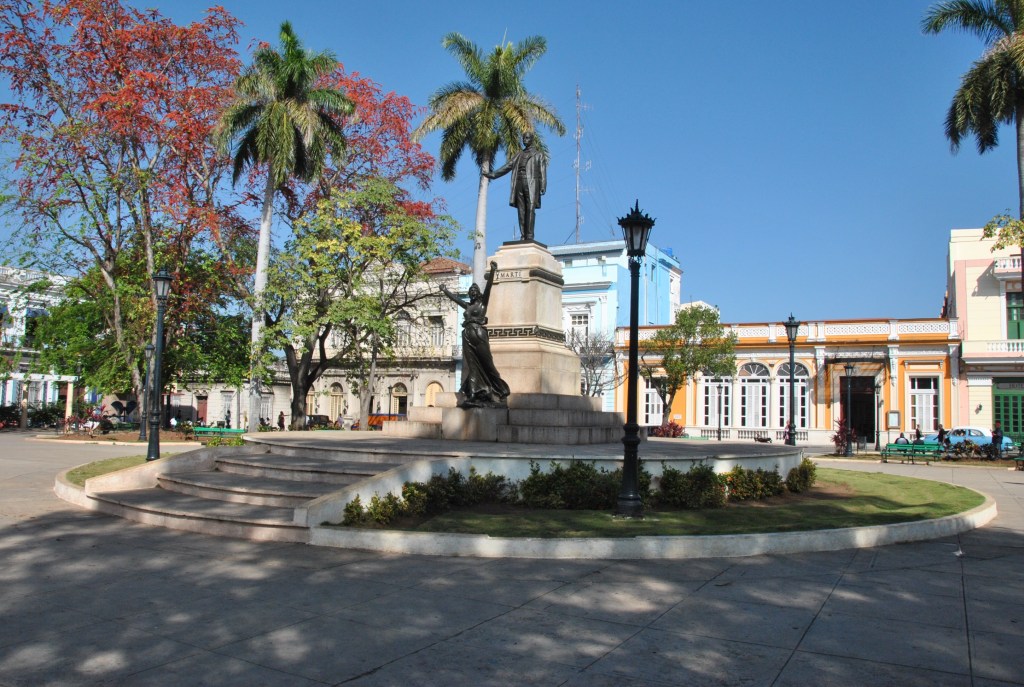
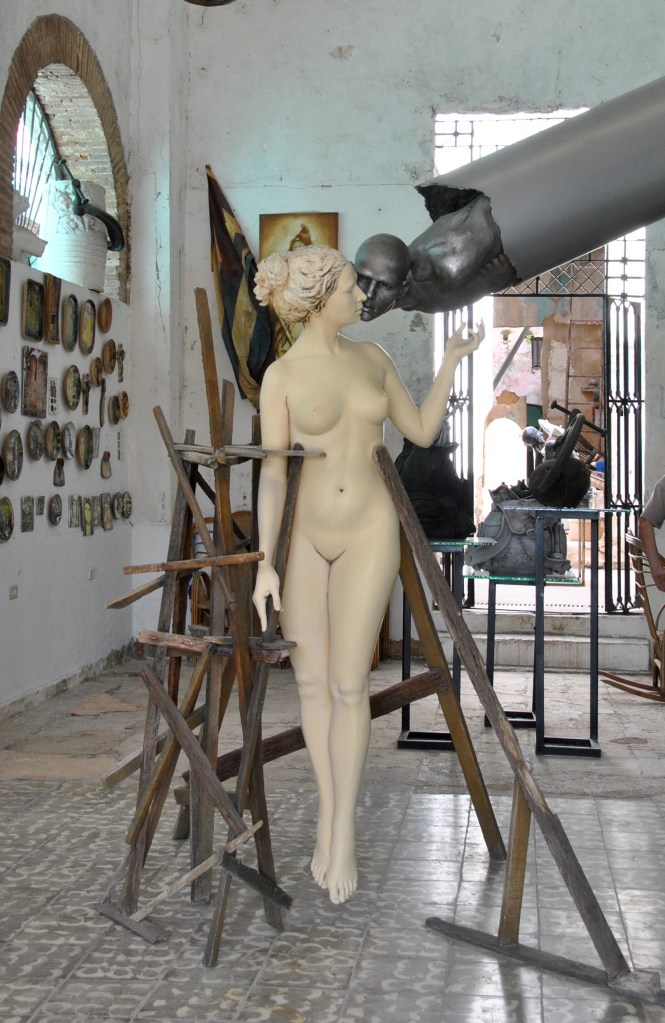
That evening I encountered an unfamiliar city in the dark, again. As we walked in search of a new casa particular, Matanzas was getting access to my heart. I was intently observing historic architecture, plazas, and squares at night. As though from nowhere emerged a mysterious stone bridge – La Concordia, with a neo-classical teatro Sauto in the distance. Urban patterns reflected that historically, having grown around a bay, Matanzas has always been culturally thriving and remains one of the arts centers these days. Next morning we would have to leave unacceptably soon, so I could only draw in my imagination the rest of the city with its three rivers, seventeen bridges, and enchanting streetscapes. Fortunately, our brief exploration that morning led us into Lolo Galeria Tallera – a local art studio on Narvaez Street, bountiful of uncanny sculpture, pottery, and paintings. The artist’s spirit in that space seemed unrestrained and joyous.

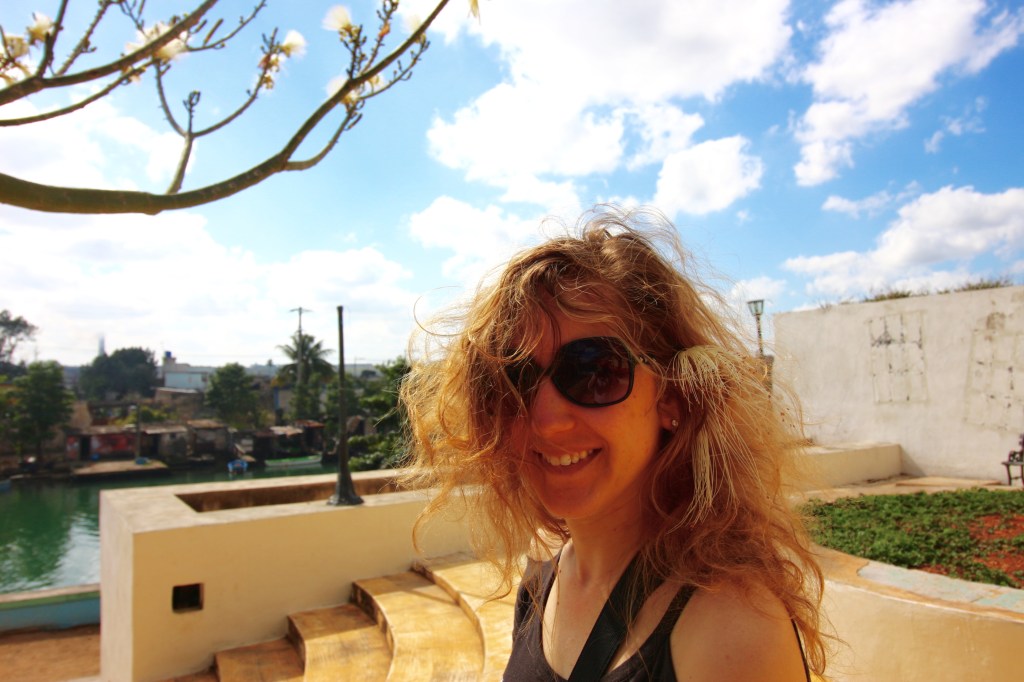
I can’t recall our reasoning that day, but we rushed to get to Cienfuegos. In about three hours we reached the city by riding in a retro “coche”, seeing mountains, pastures, and fields of oranges on both sides of the road. As we got off at the transit center of Cienfuegos, we noted that the city looked slightly simpler and fell back in time more than Matanzas. The city’s original founders were French, which at times echoed in architectural features. On the whole, it was an orderly, symmetrically planned, and clean city.
We effortlessly located our casa particular, bargained for a better price, and went out for an urban walk to discover the gems of this heritage city. As we reached plaza de Armos – – main city square – I was entertained by the sight of Town Hall, whose dome reminded me of Brunelleschi’s cupola of Santa Maria del Fiore. Once more, the contrast between grandiose architectural remnants and blanket poverty stood out for me distinctly. The park was filled with locals and tourists attempting to access Internet on phones, as it would have been futile elsewhere nearby. What a stone age, you would think, but frankly, what a joy of being disconnected and fully present.
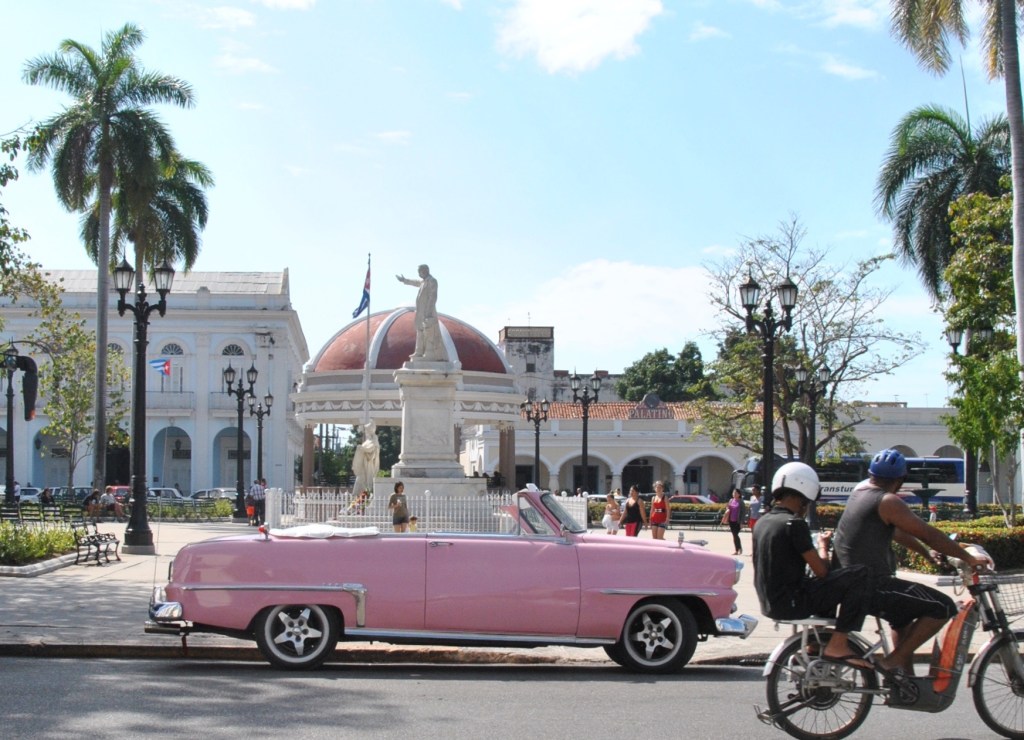
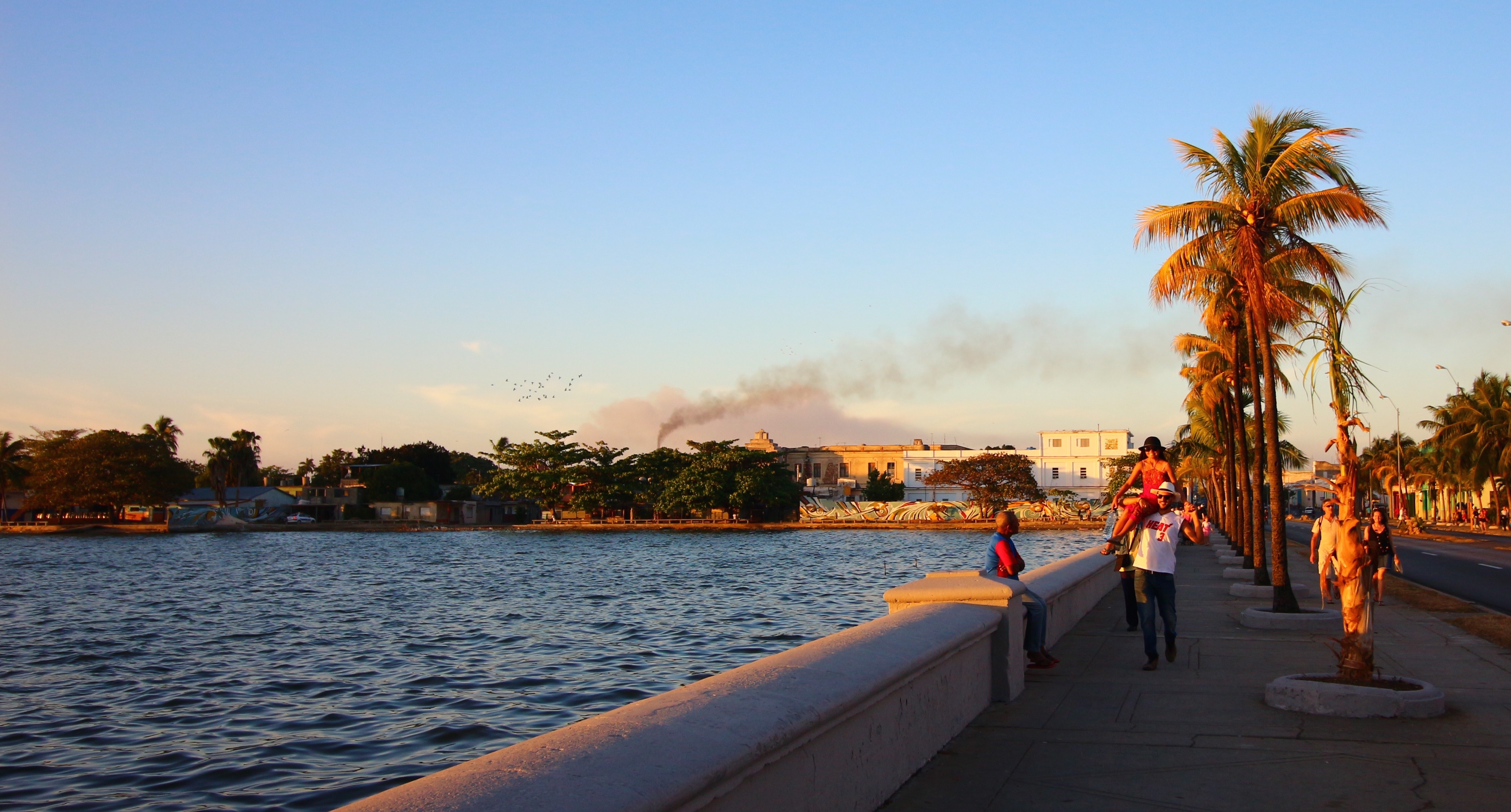
The day still stood in its prime and we spontaneously kept strolling along the waterfront of Paseo el Prado, observing the distant horizon outstretch, the late afternoon Sun, and the waters of the Caribbean in a flanking saltwater bay. We had walked about five kilometers by the time the four of us consented that a dinner would be very desirable. We kept walking further, however, as nothing but expansive tourist eateries (yes, 25x times more expensive than local spots) popped up on the way. Meanwhile, the sun went down and we reached La Punta – the northernmost point of town – just to spend another hour gazing into the clear, dark sky, listening to the waves splash against rocks, and conversing at the embankment. Having no idea what Yury and Vicman so vividly discussed, I took time to inquire my young companion about her experience. It was uplifting to hear the girl speak with frankness and commitment about her stand in life. As the four of us resumed walking, I realized how immensely hungry I was, but suddenly forgot about it when stumbled upon a beautiful Spanish-Moorish palace, inside of which another hour flew by while we explored the intricate interiors. On our walk back towards the house, we passed a small park with rather creative, thought-provoking sculptures – El Parque de la Esculturas. Having been unsuccessful in finding cheap dinner, we stopped at a small store, grabbed beers and coffee shots, and resumed walking through the night along el Prado boulevard, home bound. The sense of hunger was replaced by tiredness and quiet fulfillment of the day, though the body felt somewhat numb. Tomorrow promised yet another great adventure.
Typically, ancient naval fortresses are fascinating to me. This morning, we set about to reach Castillo de Jagua by crossing the Cienfuegos Bay on a ferry. The lime stone castle was erected by King Philip V of Spain in 1742 to protect the bay from pirates of the Caribbean. The fort has several floors with some of the rooms exhibiting artifacts, a watch tower, a moat, and a drawbridge in perfect condition.
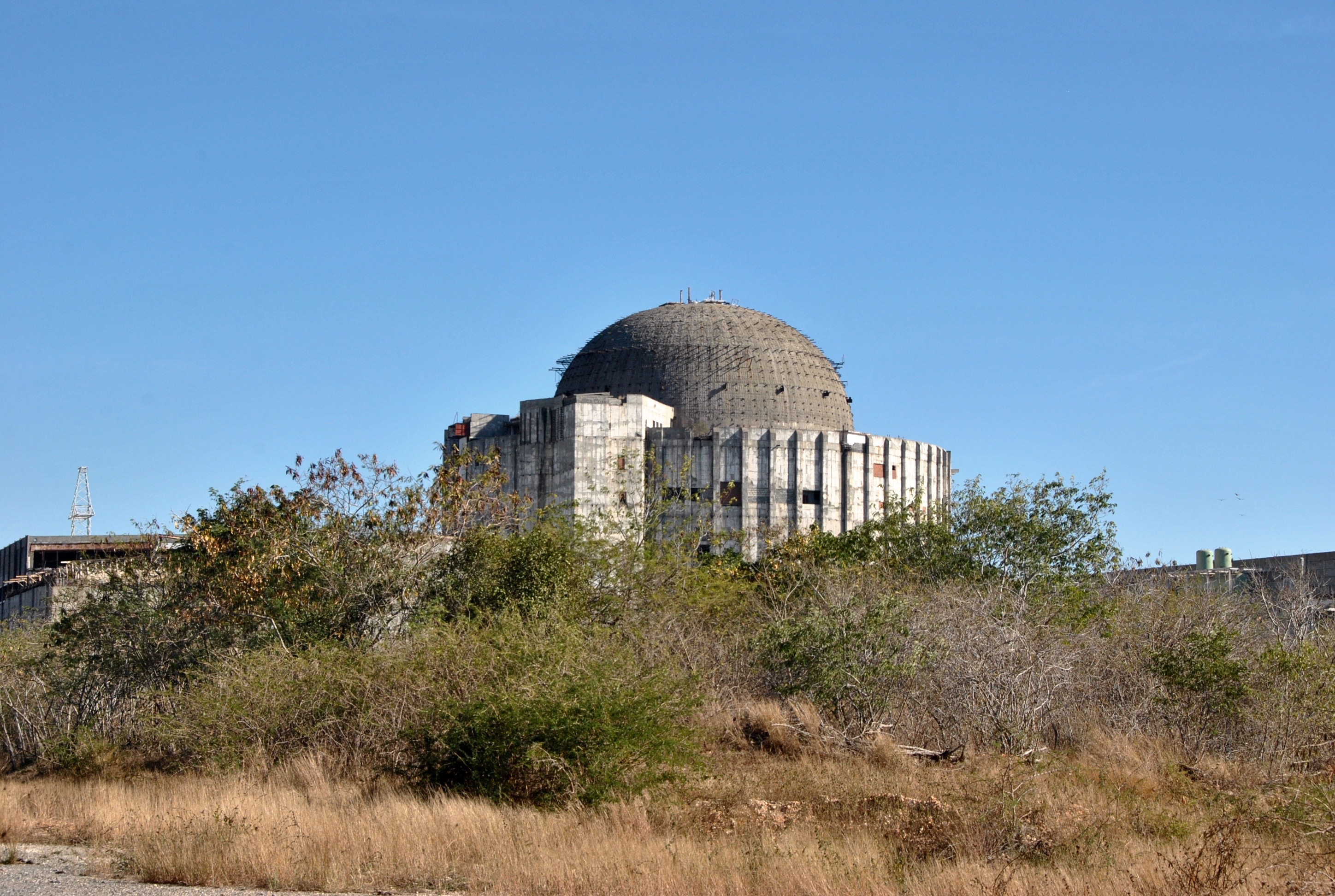
Once we finished exploring the castle, we took an unplanned picnic break on our way to the village of Juragua. Coming across a small bazar, we picked guavas and I still remember that succulent sour-sweet flavor of the tropical fruit. Having our energy replenished with coffee, we hopped on a bus that delivered us straight to the next destination – Juragua nuclear power plant. Its giant dome looked somewhat intimidating from afar, all alone in the valley. The nuclear plant was originally meant as a joint venture between Cuba and the Soviet Union – conceived in 1976 and abandoned after the collapse of communism. Though the structure never was finished, its impressive architecture would thrill just anybody. It was being guarded, and we knew that foreigners were not to be allowed. Maybe it was our carefree, touristy look, but more likely the Russian roots served as a ticket to the abandoned power plant. For an hour or two I sunk into an atmosphere of a science fiction book and every now and then I expected something to explode or collapse – – but the giant remained dormant and only few seagulls were disrupting silence.
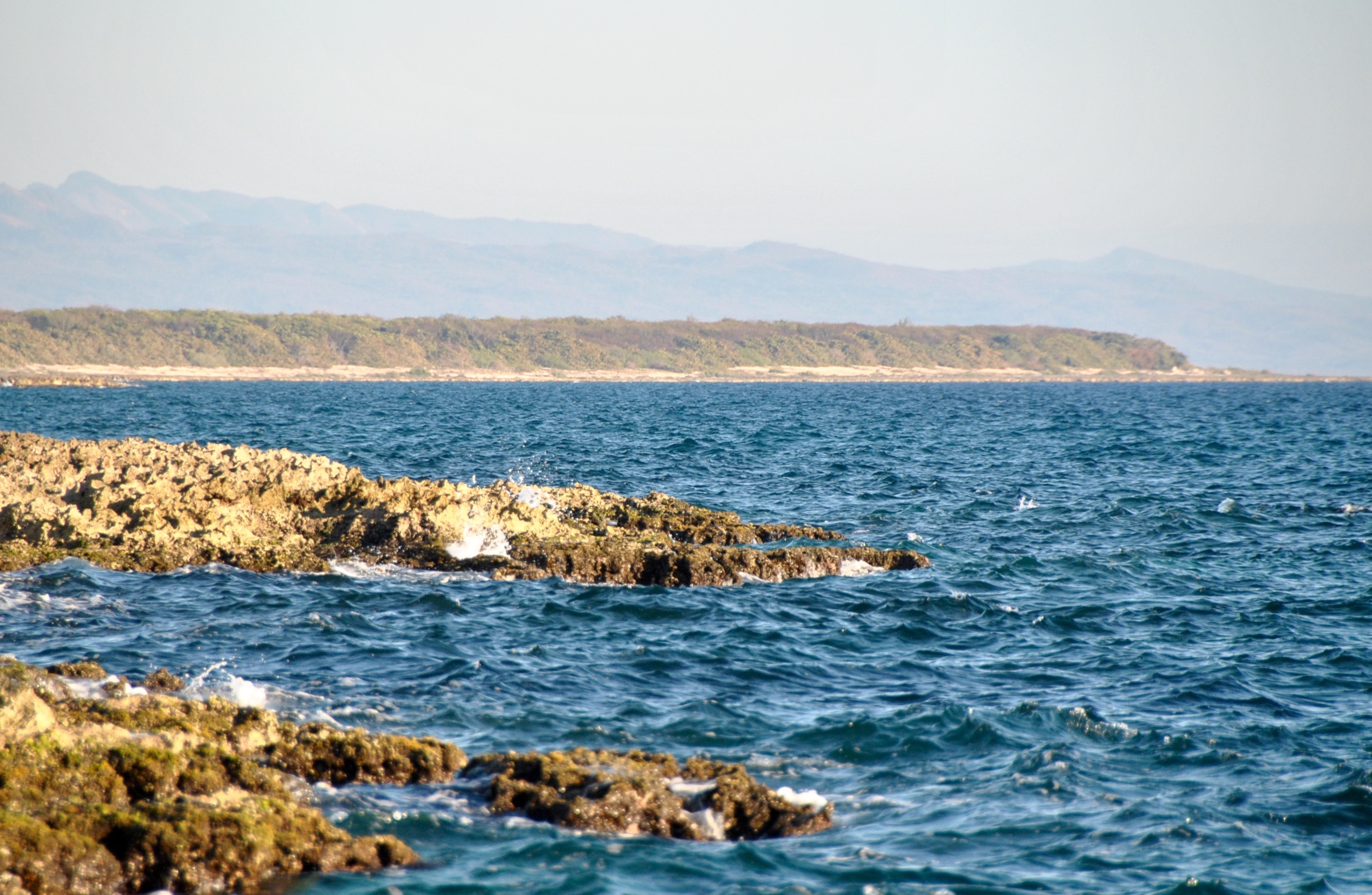
The sea shore and water by the nuclear plant were most spectacular and pristine.
Next day we spent primarily getting from Cienfuegos to Trinidad and back to Havana. As soon as we arrived, we went hunting for a cheap local dinner and spent the rest of the evening enjoying the vibe of the city at night, detecting Ernest Hemingway’s duplicates on every street, and conversing with stray cats.
On the day of our departure it rained with no pause. It did not prevent us from another urban hike and a visit to Museo del Chocolate, where we, finally, got to try local cocoa and artisan chocolates while warning up and learning some of the history on Cuban chocolate production.

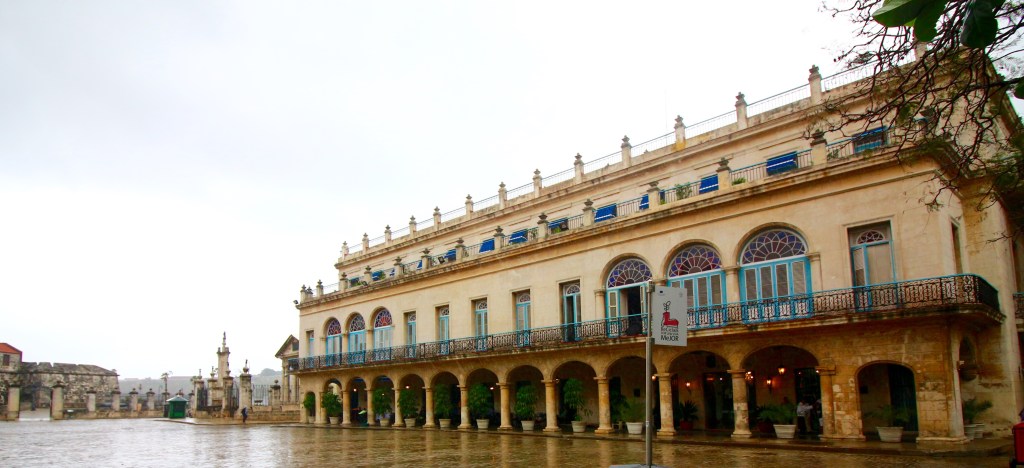
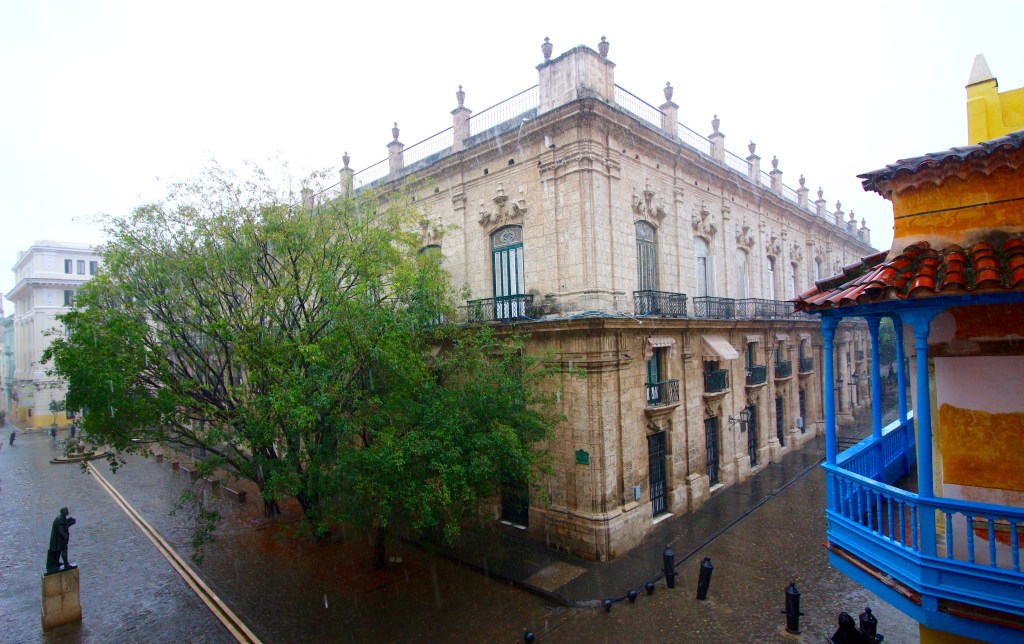
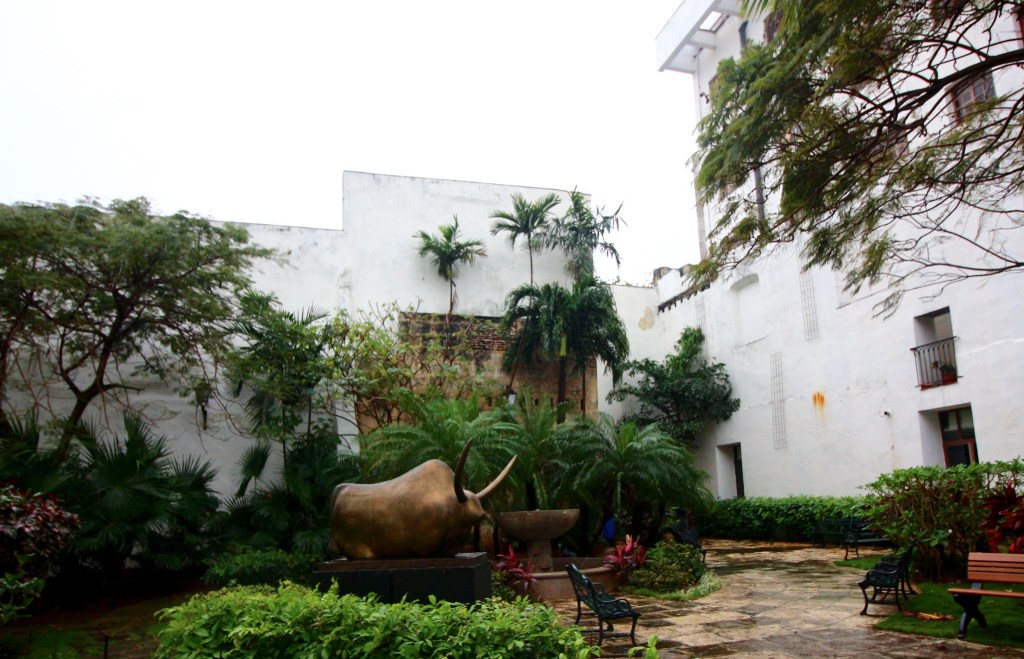
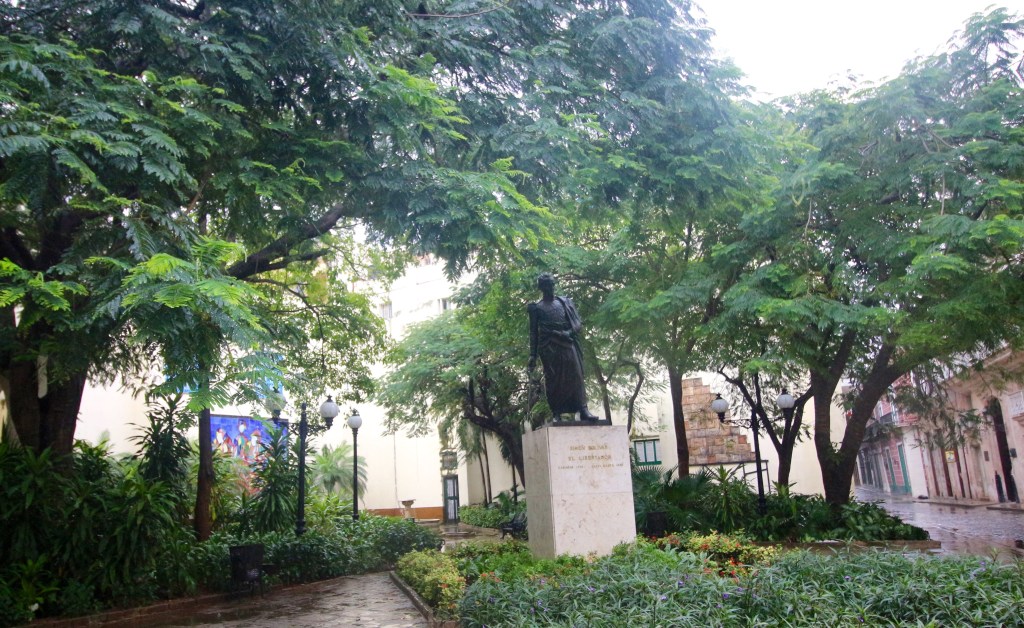
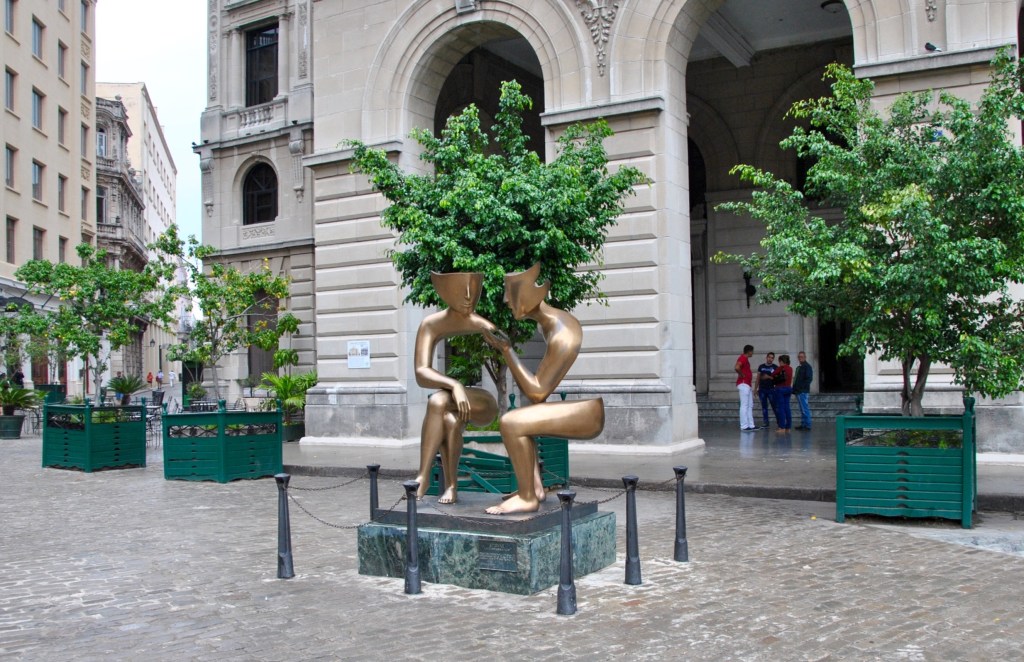
When leaving the glorious, eclectic, and restless city of Havana, I reflected with gratitude and fascination upon the former colonial nation with convoluted history and the destiny of its folk. This country holds a lot for anyone to discover and comprehend about our society. I will be back anew. Will Cuba be the same?
 Beloved Earth. Sketches from the Temple