Traveling back in time?
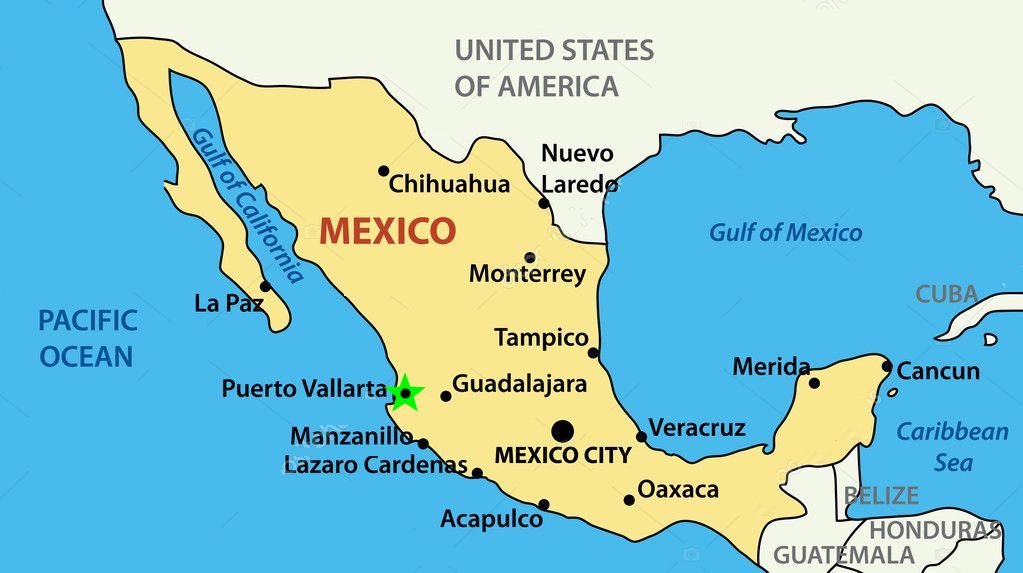
What could be more luring than the idea of traveling back in time to explore the origins of a rich, long-lived culture? Perhaps, some are of us are more intrigued by travels into the future, but life has presented me with a series of expeditions that allowed me to become closer familiar with Mexican culture, yet in a reversed chronological order! Not until recently have I realized that my explorative experiences had a unique centripetal trend – a venture from the modern day back toward the root. Expedition #1 (the passive one): a decade of living in Seattle couldn’t leave me indifferent toward this culture, as over the years I have had conversations with some wonderful individuals of Mexican descent, explored traditional artistic genius at occasional festivals, and of course, had opportunities to examine the flavors of Mexican cuisine, much loved by so many of us (of course, tequila is included here too!). Expedition #2: series of ventures into the region presently known as the U.S. New Mexico state. This expedition was marked by a fist-hand experience of a culture within the landscape that it has been historically associated with. Despite the influence of the US culture, local communities retained some of their traditional ways of life. Observations allowed me to discover a bit more about Mexican culture, which embodies the fusion of the modern day lifestyle, occasional remnants of the Spanish colonial past, traces of pre-Columbian heritage, and so much more. Subsequently, the most recent Expedition #3 took me even closer to the roots of this vibrant culture, as I grasped a long-awaited chance to experience a small, yet vital part of Mexico itself. What am I talking about? The adventure in Puerto Vallarta! Let me take you on a journey to discover this fascinating port-city and a beautiful resort region on the coast of the Mexican state of Jalisco.
***
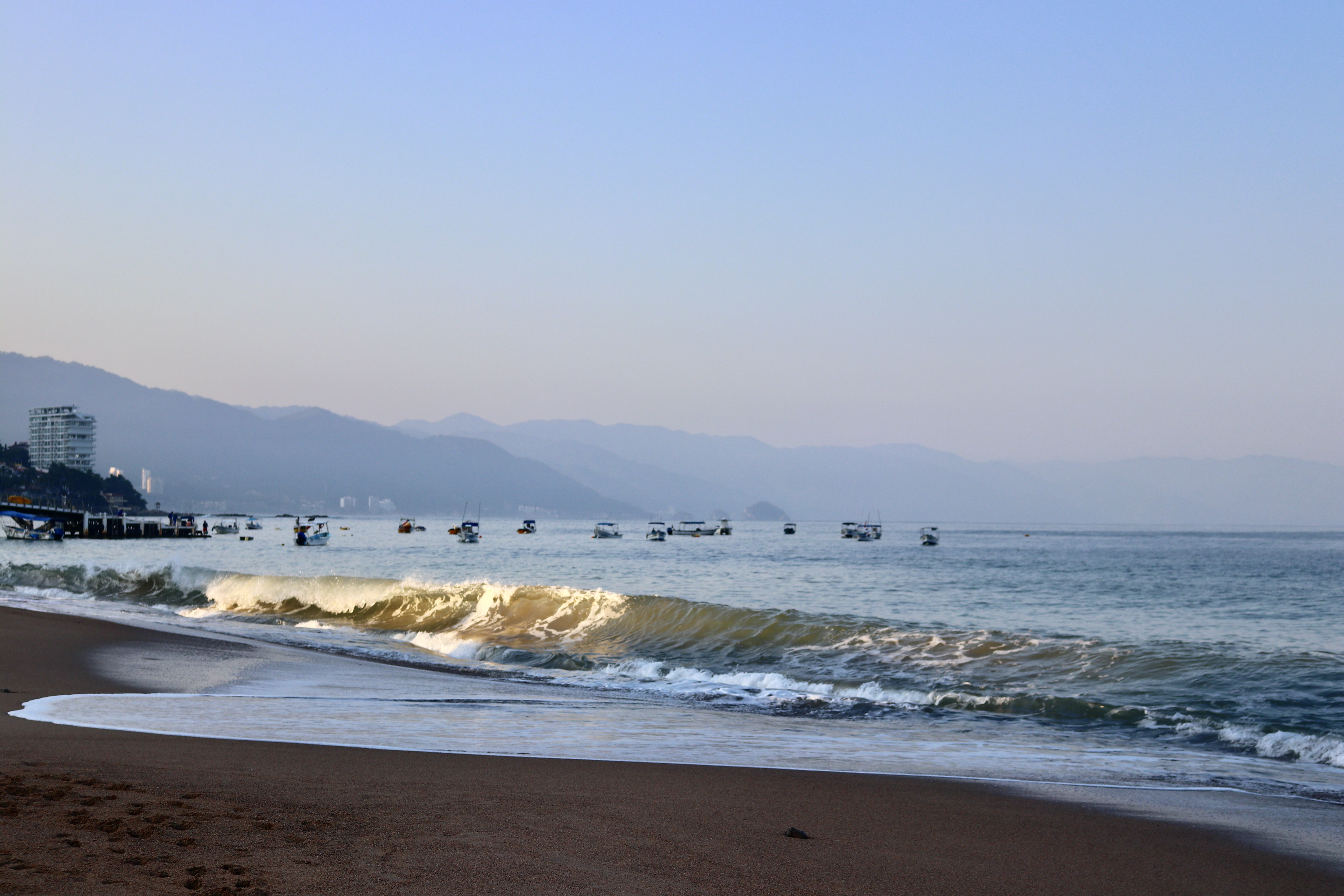
The sun embraced us with its generous heat waves the very first second we stepped out of the airport. We are in Puerta Vallarta! We are in MEXICO! A few minutes later, while catching a glimpse of the local street market, we were riding in a taxi that took us straight to Emiliano Zapata neighborhood, commonly known as Zona Romántica or Old Vallarta. We reached a place that we were to call home for the next five days – a simple, good-looking unit in the 1970s condo building standing across the street from Olas Altas Beach, at the shore of the Pacific Ocean’s Banderas Bay. As we settled in, we took our time and enjoyed the activities our neighborhood had to offer that evening: the walk along the beautiful Malecón (a paved seaside promenade), a stroll through old streets of the town, open-air night life, and of course, the food (that night, we had a regional specialty: baked red snapper).
One may assume, that since this city is a popular resort, it might be lacking authenticity and history while offering a wealth of touristic glamour. Well, it might be the case, if one stays by the beach and rejoices a glass of piña colada all day long. As we wandered in the old part of town next morning, we discovered many traditional features around us. The neighborhood has grown organically and contains examples of architecture that is a blend of Mexican rustic style with some colonial elements. Bright facade colors, red clay-tile roofs, balconies of varied sizes – we could often notice the patina of time, but oftentimes older residential houses looked too distressed. Yet, the streets were always filled with life, decorations, and sounds of the ocean waves crashing at the shore close by – our hospitable little town shared its simple beauty and joy with every visitor. The city wasn’t created as a resort from scratch. Having evolved as a small fishing village during the 18th century, it turned into a port-town and was ‘officially founded’ in 1851, on December 12th (the day dedicated to the virgin of Guadalupe). It supported local silver mining operations and attracted locals as a recreational area before the government became interested in developing the town as an international resort in the late 1960s. In spite of the sizeable modern development (i.e. condos) by the seaside and at the city center, Vallarta’s colorful old town has fortunately retained its historic charm.
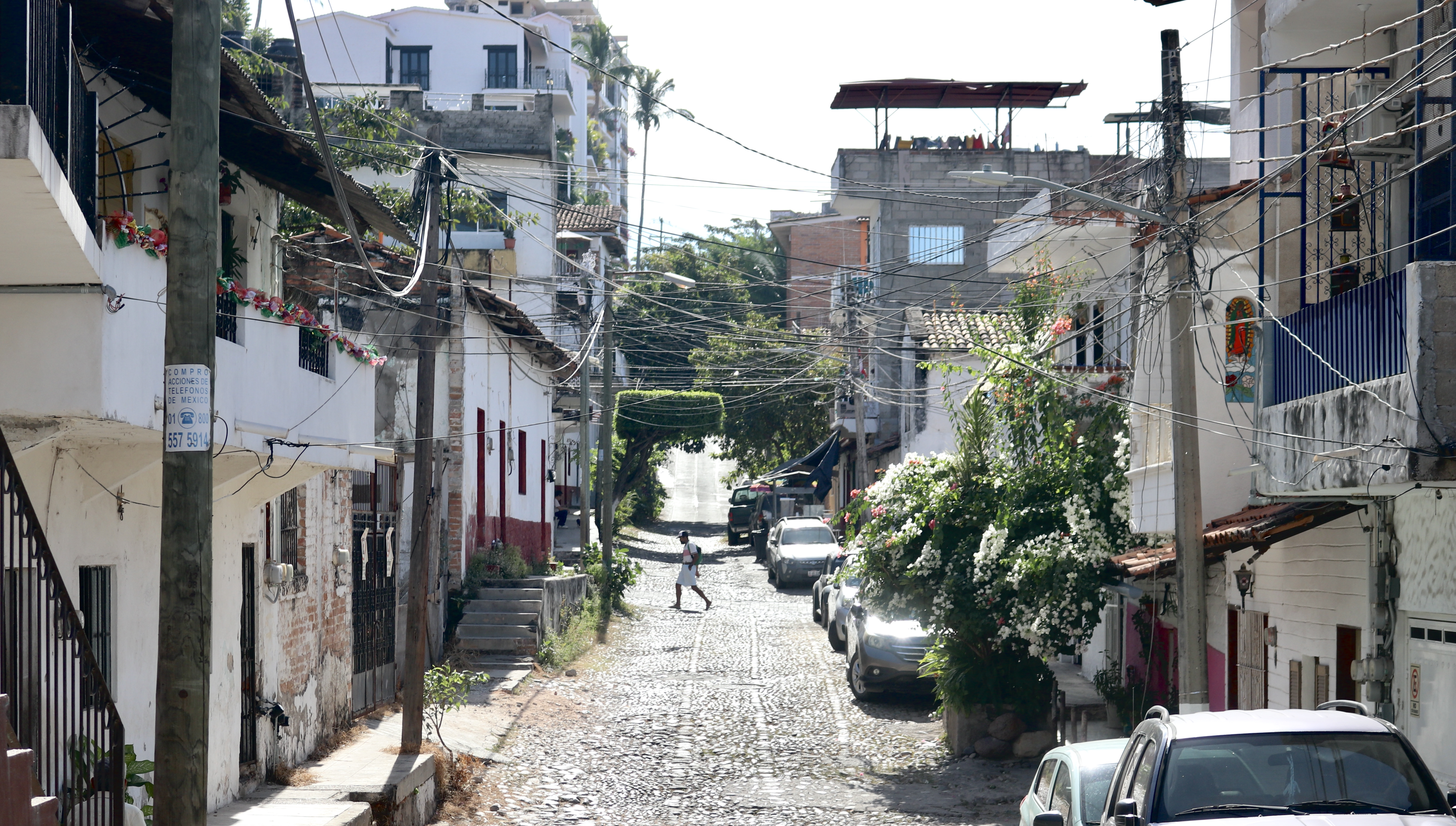
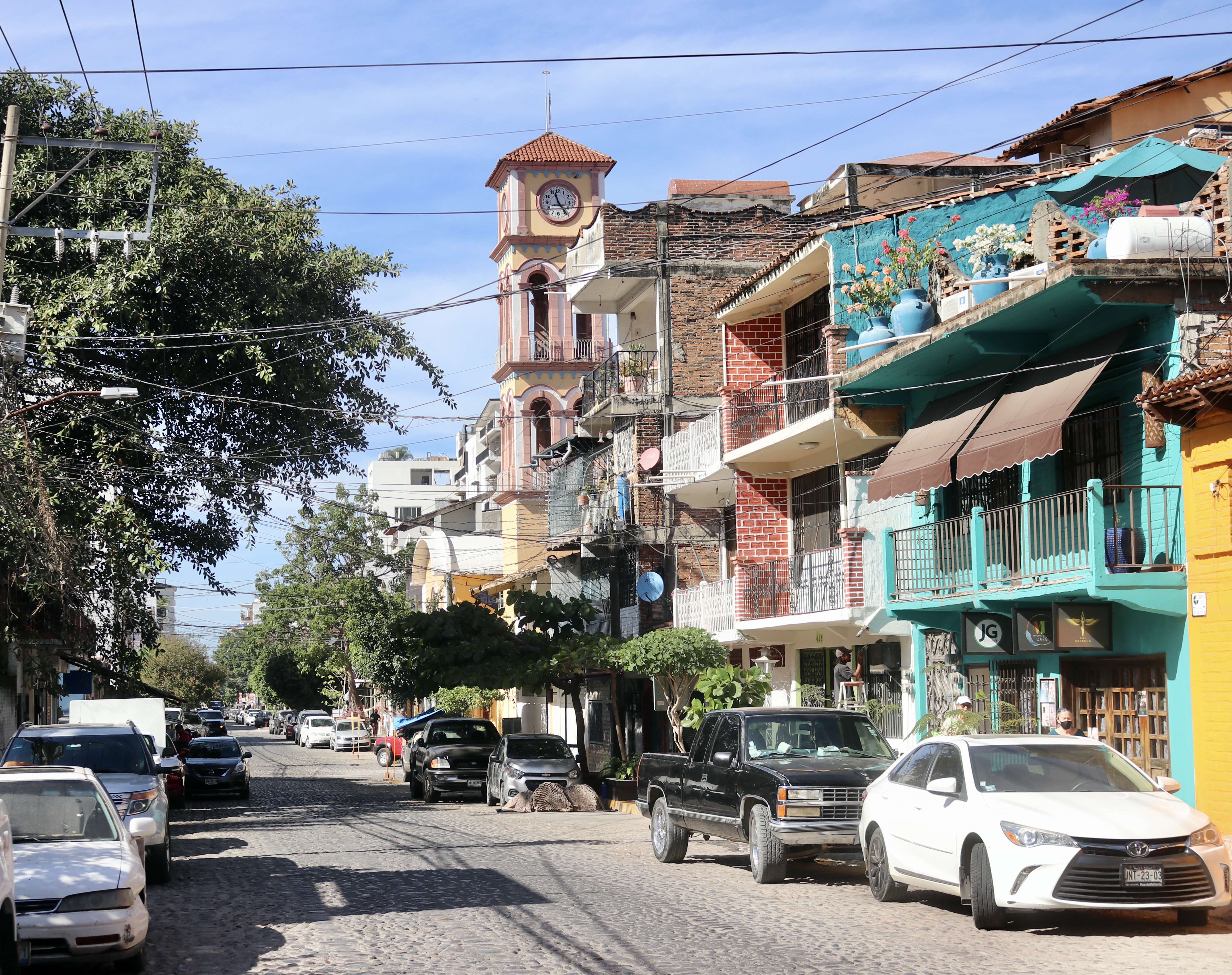
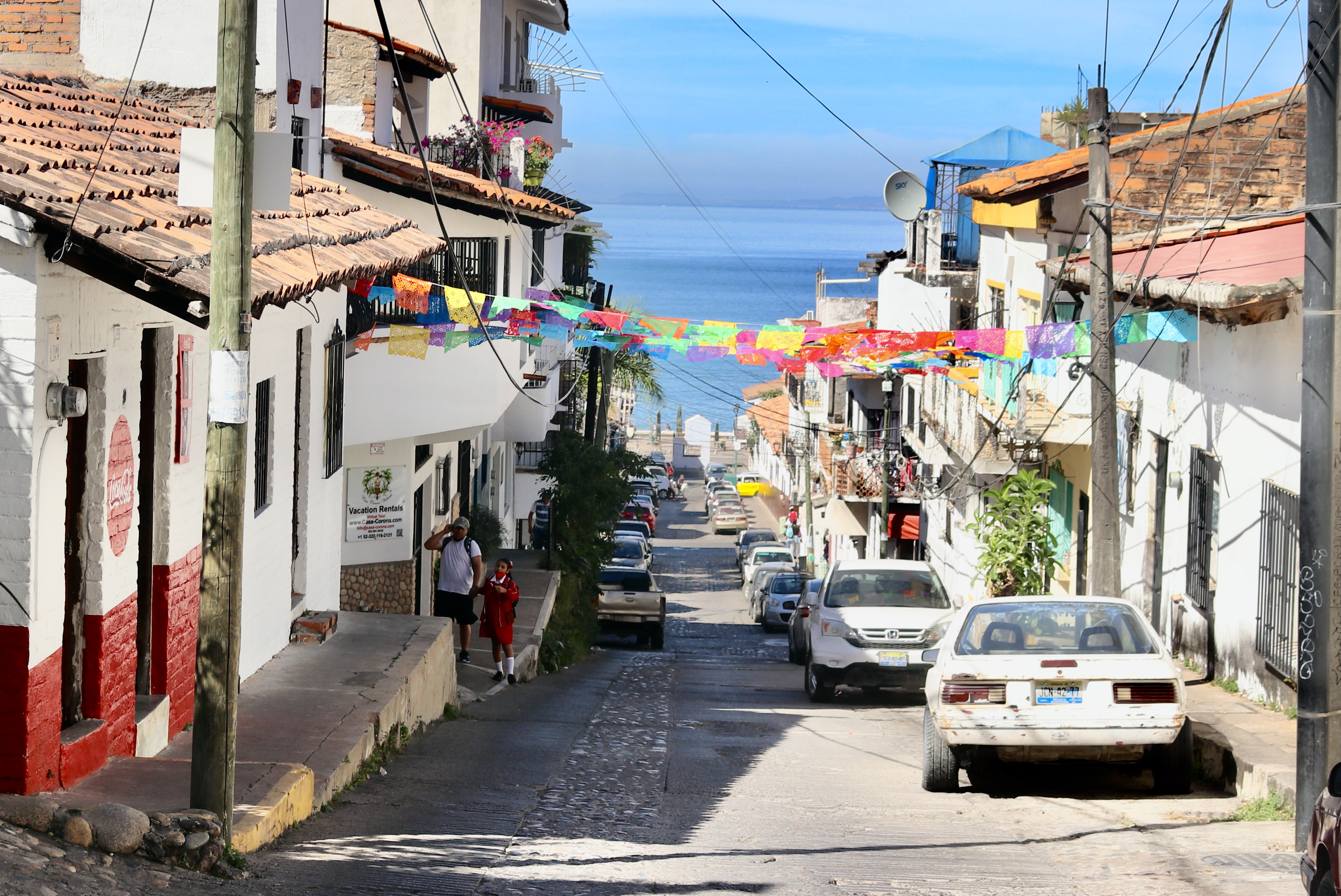
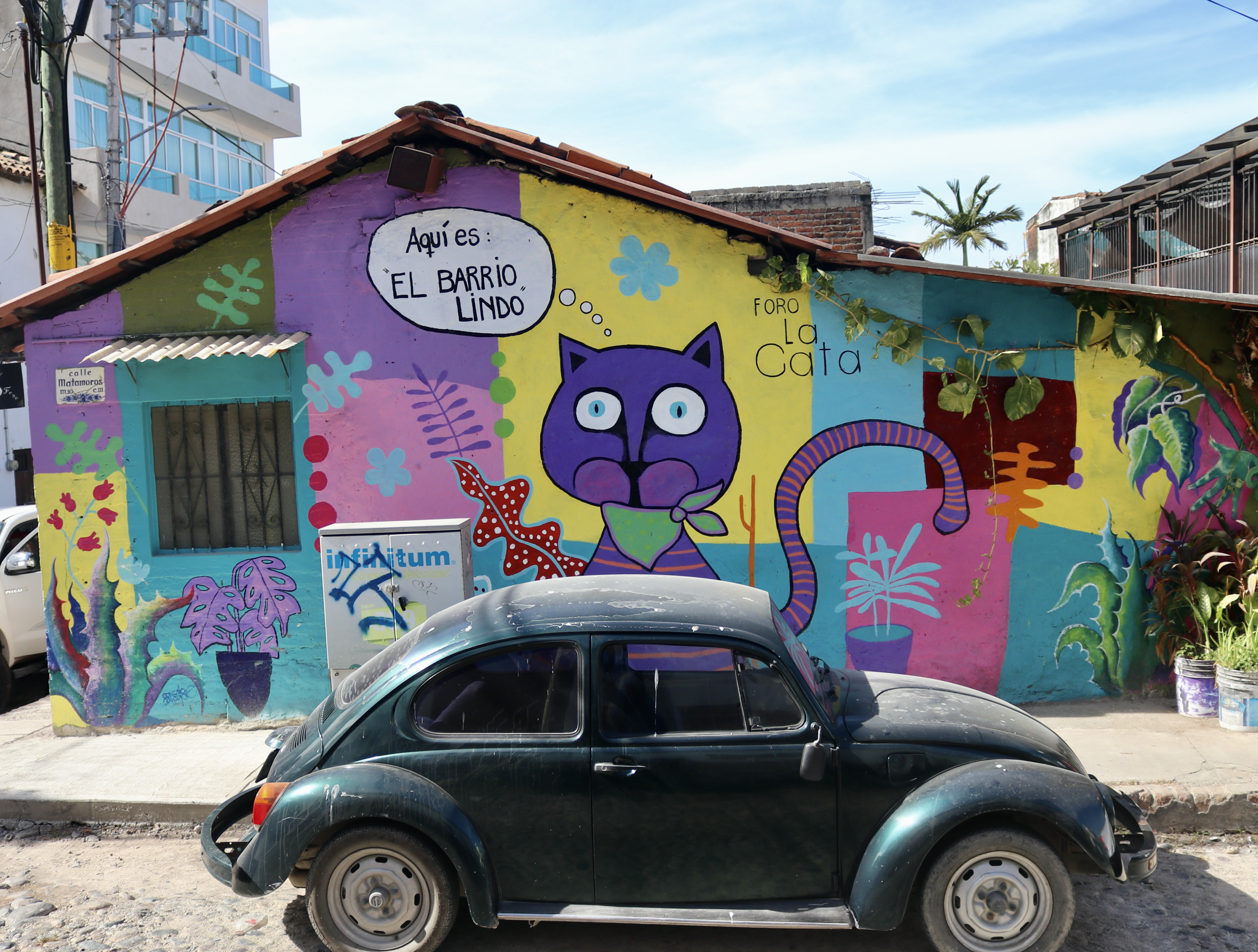
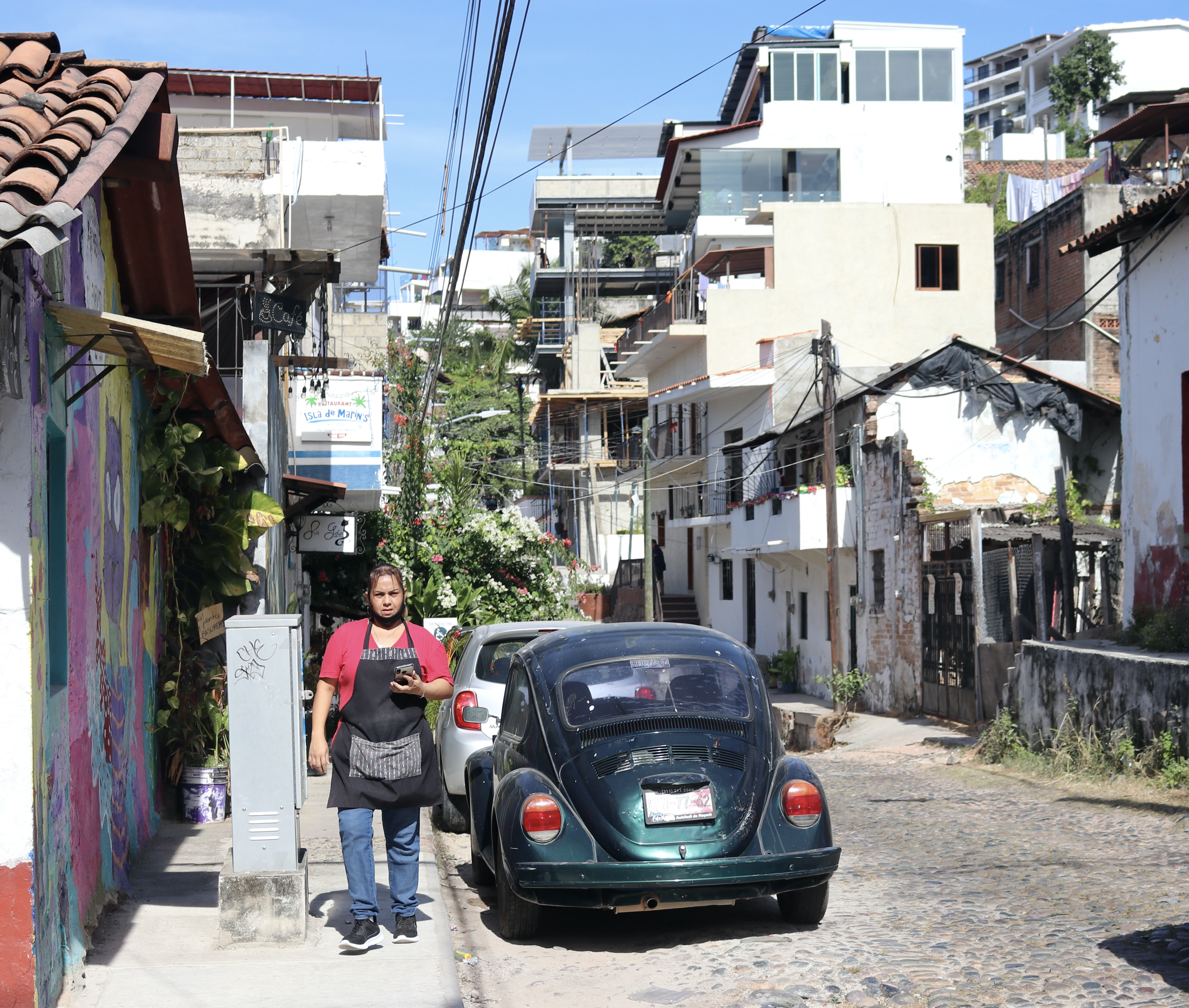
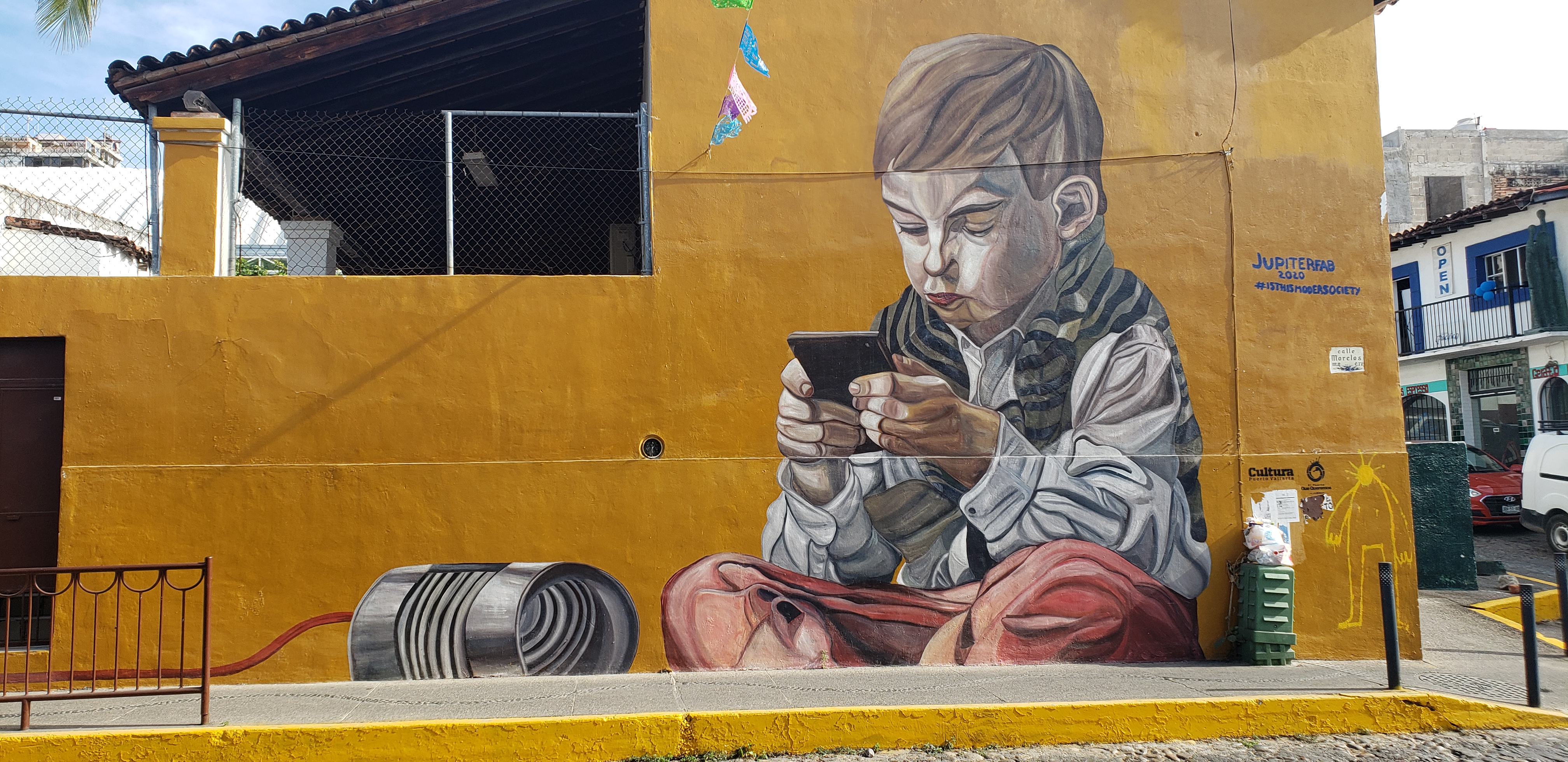
This part of Puerta Vallarta is abundant with shops, galleries, local food stands, and fascinating street art. The murals in Zona Romántica add depth to one’s experience of the town, as each art piece has an embedded social meaning aside from being beautifully executed. Below are the murals which I found especially appealing.
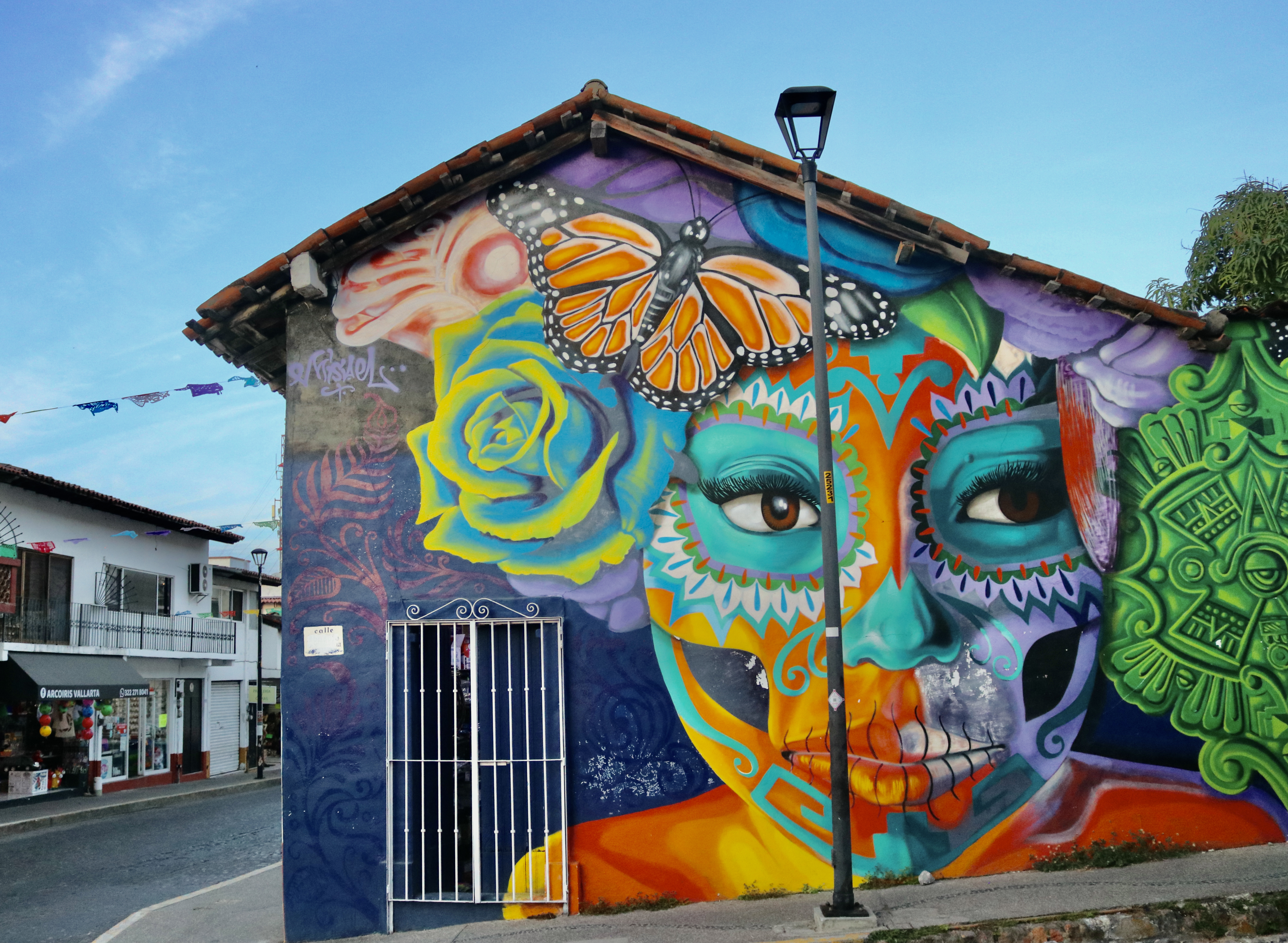

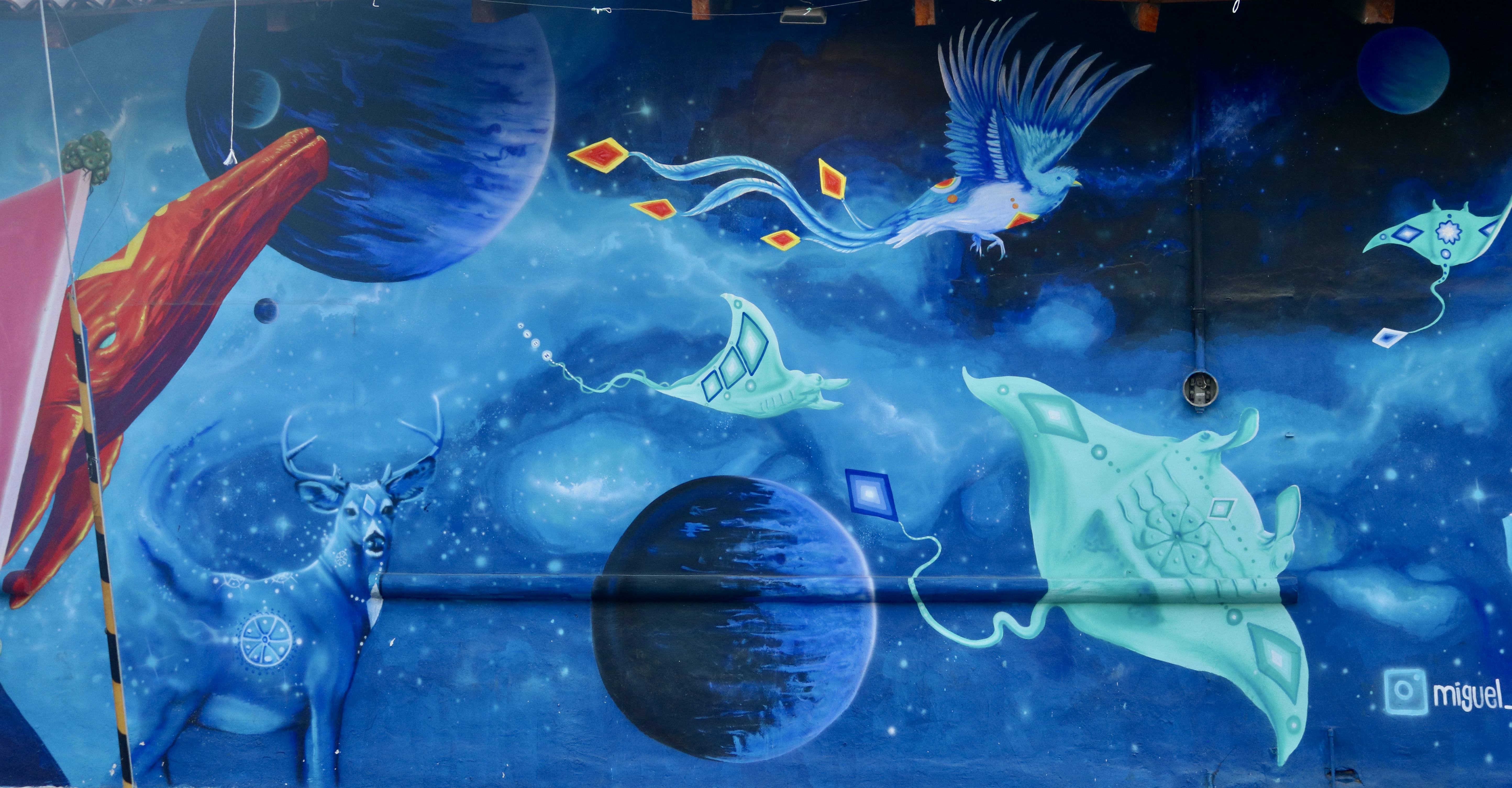
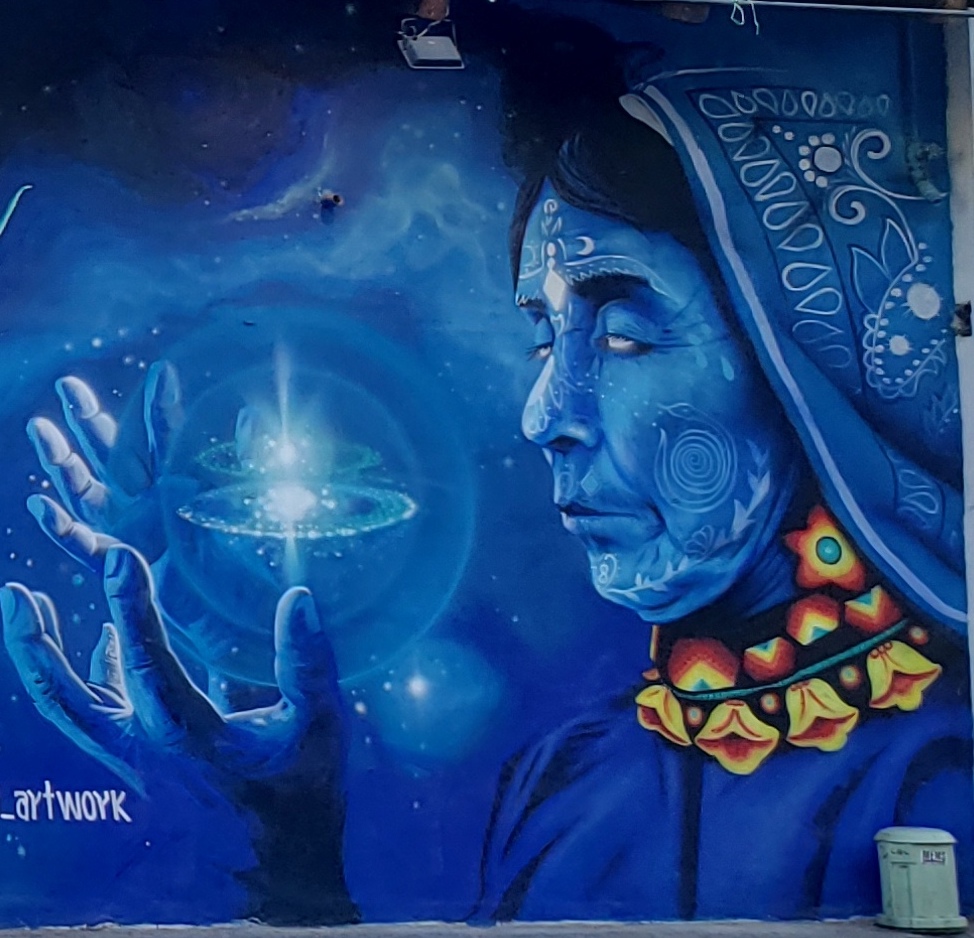
“Pachamama” (Mother Earth). Artist: Miguel Angel


Getting lost here is an adventure, but no matter where one starts their walk, the roads will eventually lead to the iconic landmark of the town – the century old Church of Our Lady of Guadalupe. Notably, our trip fell within the time frame of a yearly feast which is dedicated to this nationally revered saint and celebrates the town’s founding date (12th of December), so both the church and the adjacent town square were always filled with locals anticipating the festivity and preparing for the ceremonies.
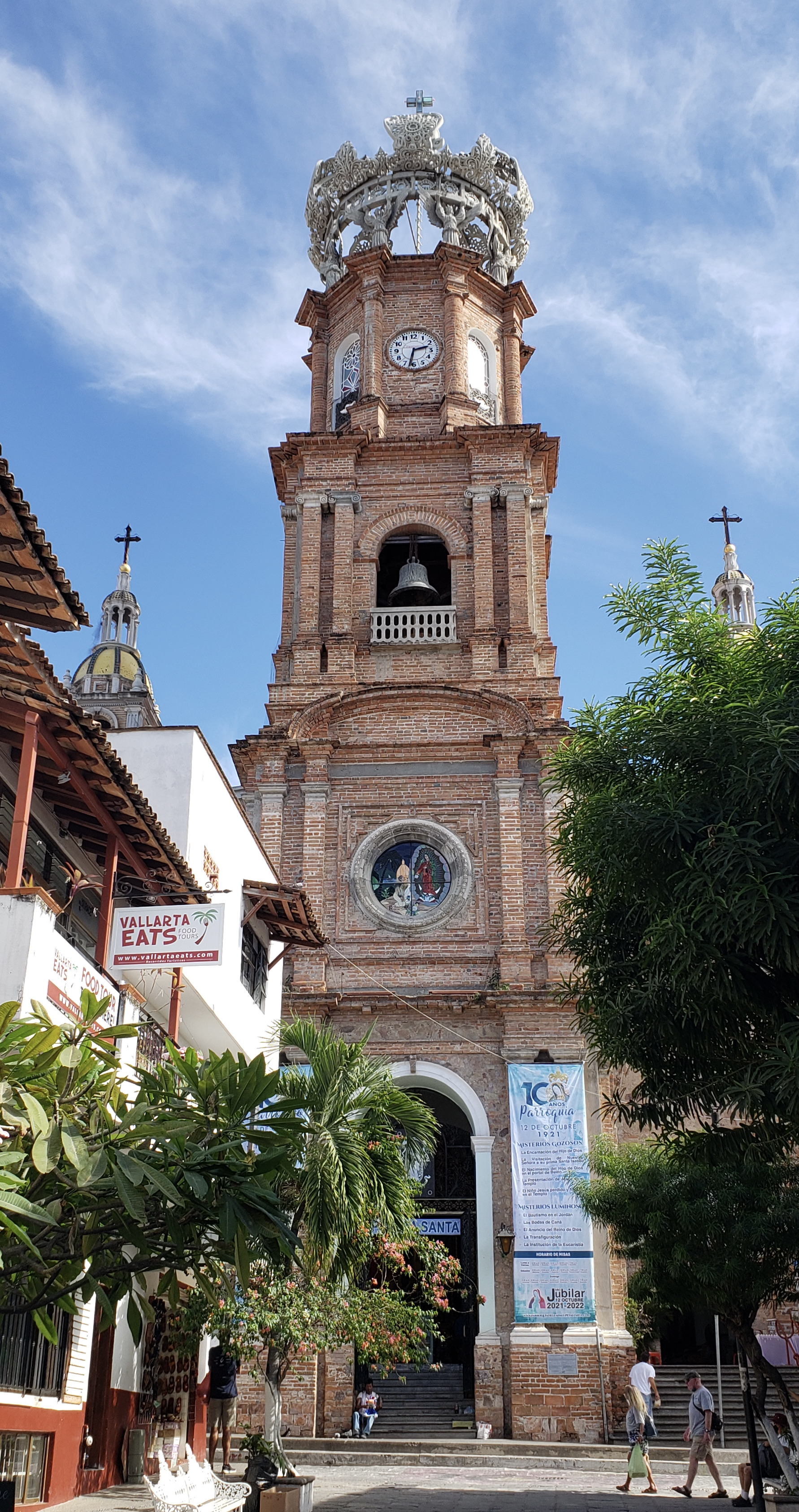
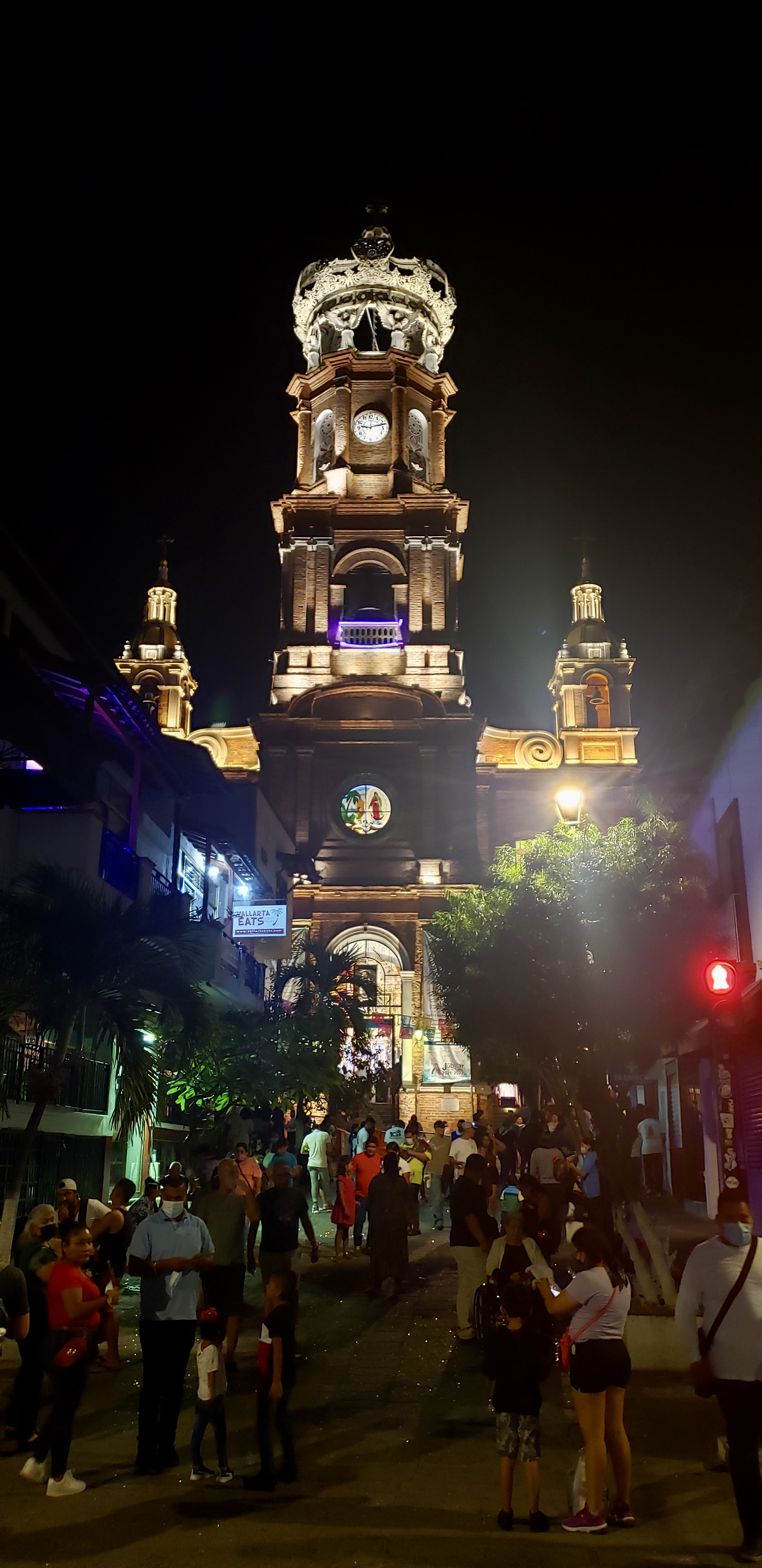
Church of Our Lady of Guadalupe
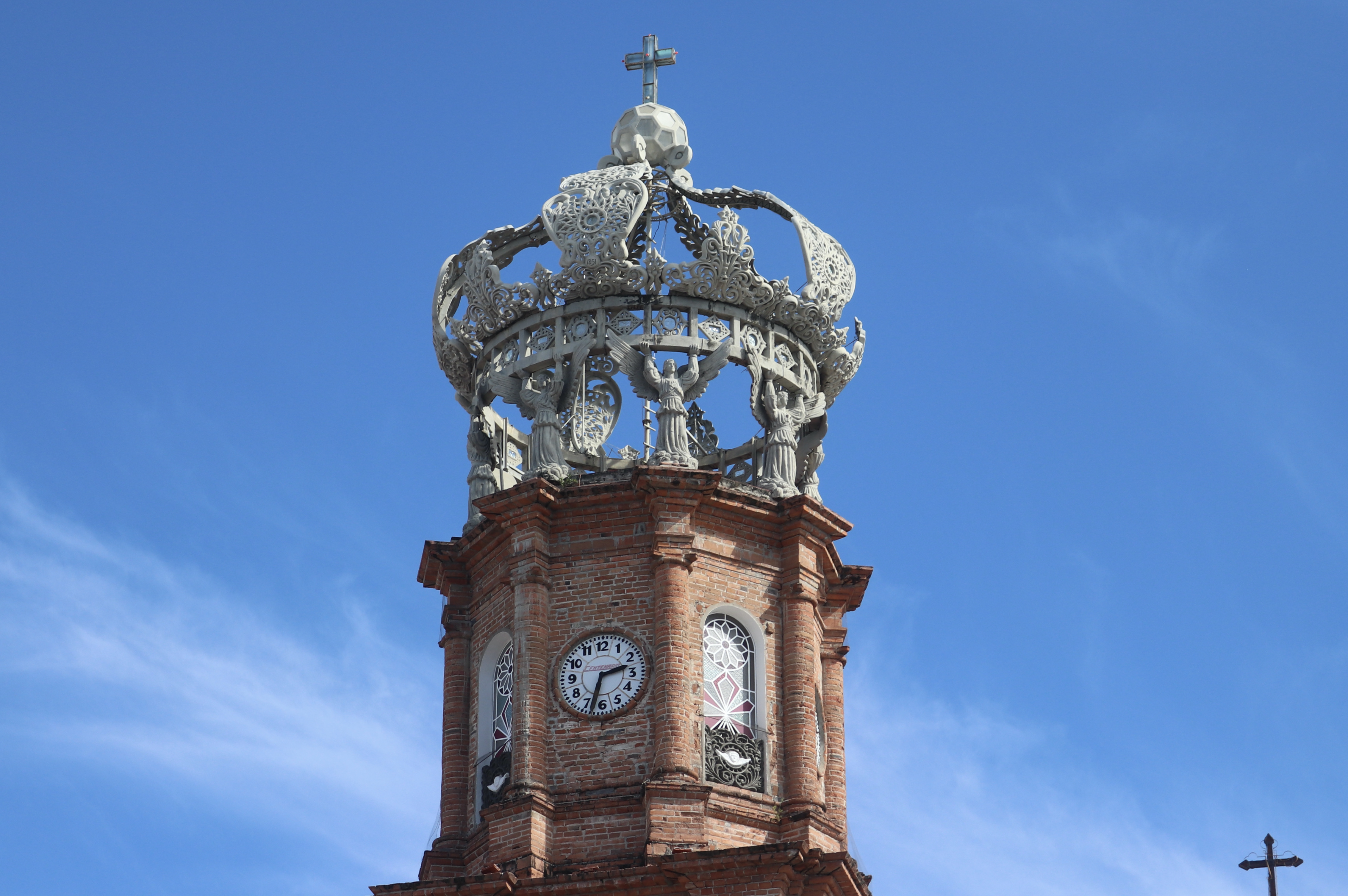
Built in the 1930s, the church of Our Lady of Guadalupe is a neoclassical structure topped by a Baroque-style crown. Our Lady of Guadalupe (Virgin Mary) is the patron saint of Mexico and is a collective representation of Mexican society. According to a legend, on the 12th of December in 1531, our Lady of Guadalupe appeared in front of a Mexican man named Juan Diego. The spread of the news about this event essentially established Catholicism in Mexico, providing a new era of religious belief that was layered onto Aztec polytheistic culture that had prevailed until then.
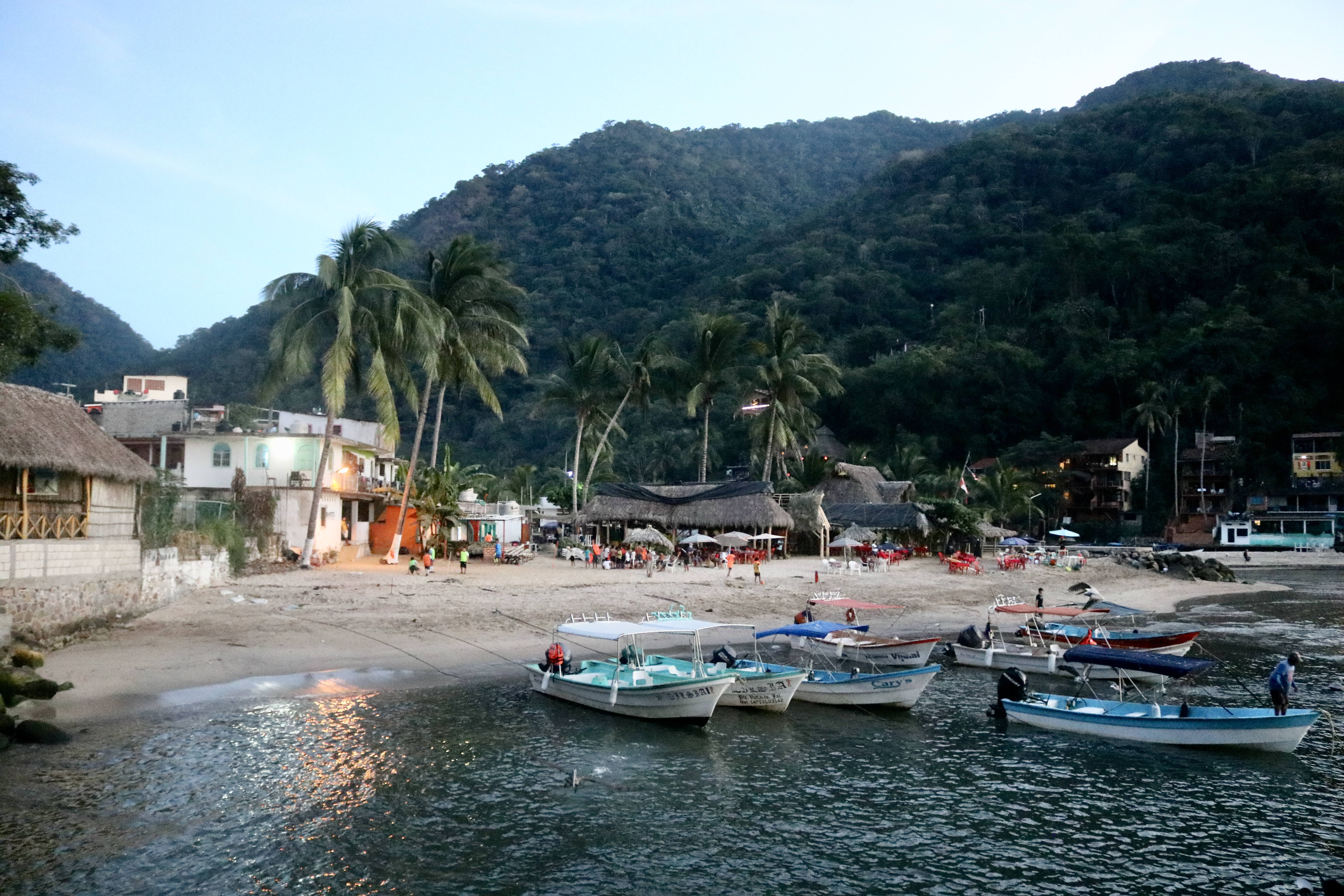
After our urban wandering that day, we set out for an adventure to finally partake of the nature delights the resort had to offer to us. We hopped on a boat (water taxis are a popular local transport) that took us on a 40-minute-long ride to a small and secluded beach town of Yelapa – one of the many quaint beaches along the shores of Banderas Bay.
Not until we were a few miles out in the sea, were we able to witness that the area is surrounded by magnificent mountains – the Sierra Madre Occidental. This coastal range runs through western Mexico and is part of the American Cordillera – a chain of mountain ranges that consists of an almost continuous sequence of ranges along the western coasts of North America (including my beloved Cascades!), Central America, South America and even West Antarctica. As we reached Yelapa, peacefulness surrounded us – it was an idyllic beach with its small traditional houses roofed by palapa (palm thatch) and fisherman boats, swinging in the blue waters of the bay adjoined by a jungle. Here we spent the entire afternoon – sipping piñata, swimming, gazing into the sky, and sipping piñata again. Isn’t it good to be a sloth for a day? Much as I love promoting mountain climbing every free minute of your leisure time, lazying for a bit is just as good, in its own way…
What’s more, upon our return to Vallarta at night, we indulged our appetite for a hot meal by having Molcajete carne asada dish (molcajete is a pre-Hispanic mortar and pestle made from volcanic stone used in Mexican cooking), followed by local drinks. What a yummy excursion into local traditions! Speaking about drinks, it was amusing to discover that the region we were in (Jalisco State) officially gave rise to the production of a beverage so cherished by many – tequila! The famous blue agave drink is primarily made in the area surrounding the city of Tequila (Jaliscan Highlands), which is a designated UNESCO World Heritage Site (“Agave Landscape and Ancient Industrial Facilities of Tequila”). Maybe that should be the subject of my next expedition?..
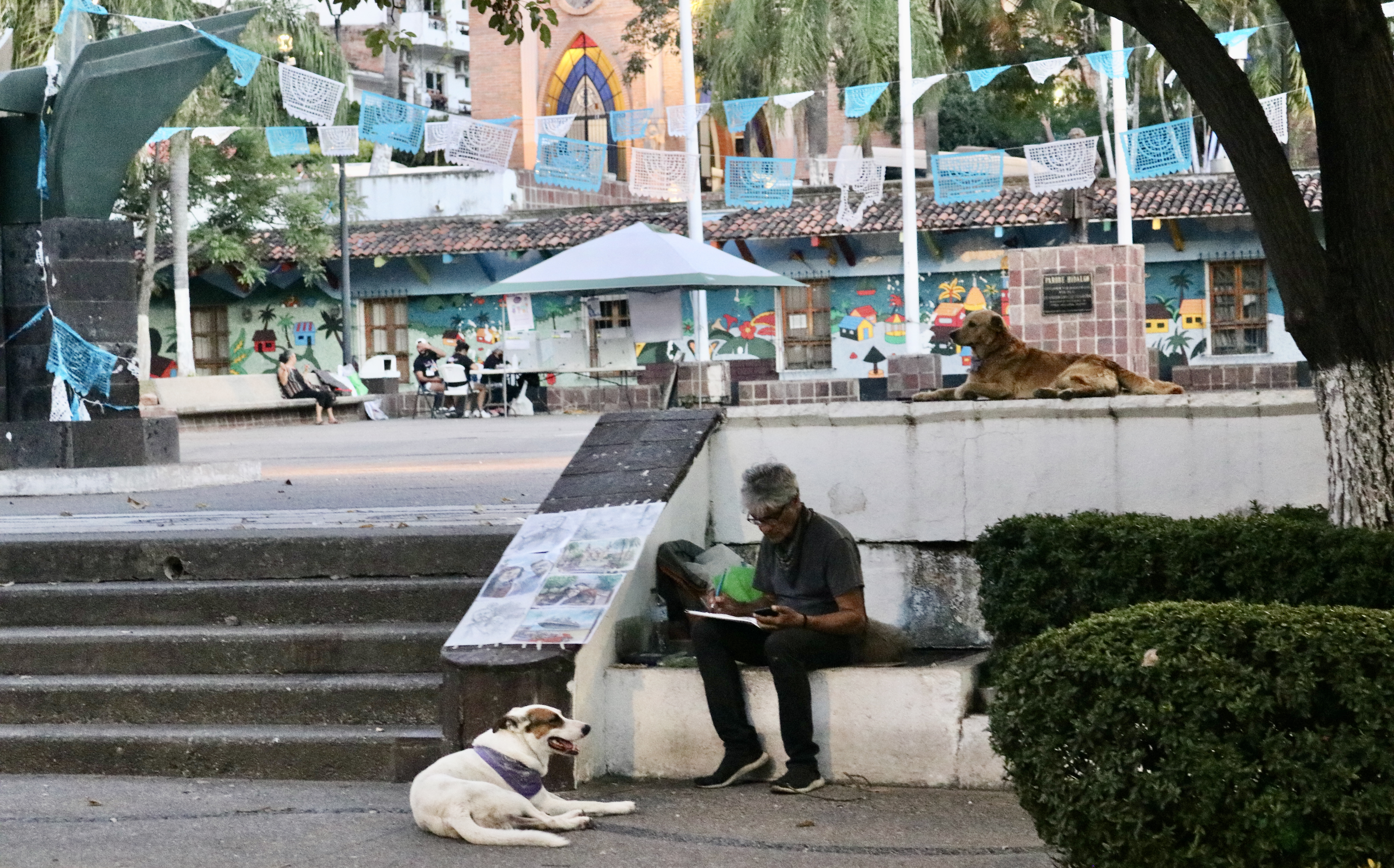
Next day was entirely about urban explorations. That morning I looked around and pondered, who are these people? Who are these locals, selling intricate crafts on a street side, at the beach, at the Malecón…We know that Maya descendants still live in Yucatan…but what about Jalisco region’s native ethnic population? We asked the seller of bead handcraft items and found out that her merchandise was an example of traditional craftsmanship by one of the indigenous populations: the Huichols. The Huichols are of the same ethnic heritage as the Aztecs (!) and speak an Uto-Aztecan language. Notably, they are best known for the preservation of their pre-Hispanic shamanic (!) traditions. Based on the limited archeological evidence, historians speculate that the land of the present-day Jalisco state (and its neighboring states Nayarit and Michoacán) belonged to the Aztlán culture from c. 900 –1200 and may have been the ancestral home of the Aztec peoples. I wonder, whether Aztec rituals and mythology should be on the radar for my next expedition, so that I travel even further back in time?.. At one of the souvenir stands, I chose two little bead turtles crafted by a young indigenous boy. Maybe someday I will find out what the ornaments on my keepsakes mean. I bet it’s something good! Meanwhile, our adventure in old town went on:
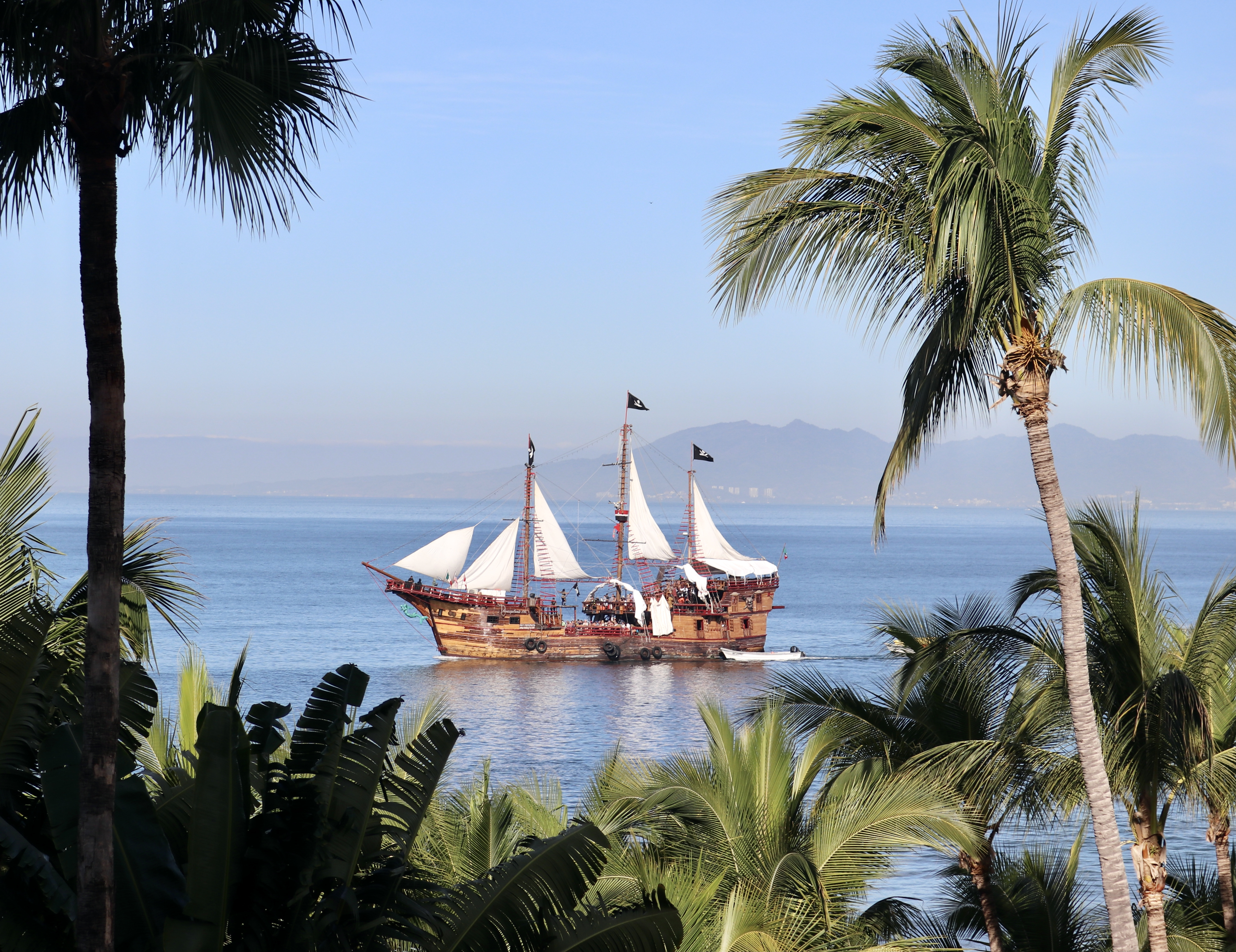
That afternoon, while Sasha was on a short 10km long hike around the city center, Masha and I climbed one of the city hills to reach Mirador de la Cruz – a viewpoint that allows to fully enjoy the natural landscape and the city from above. On our way to the hill we passed a well-to-do Gringo Gulch neighborhood and noticed urban farming organically coexisting nearby – donkeys grazing and chickens roaming freely and happily.
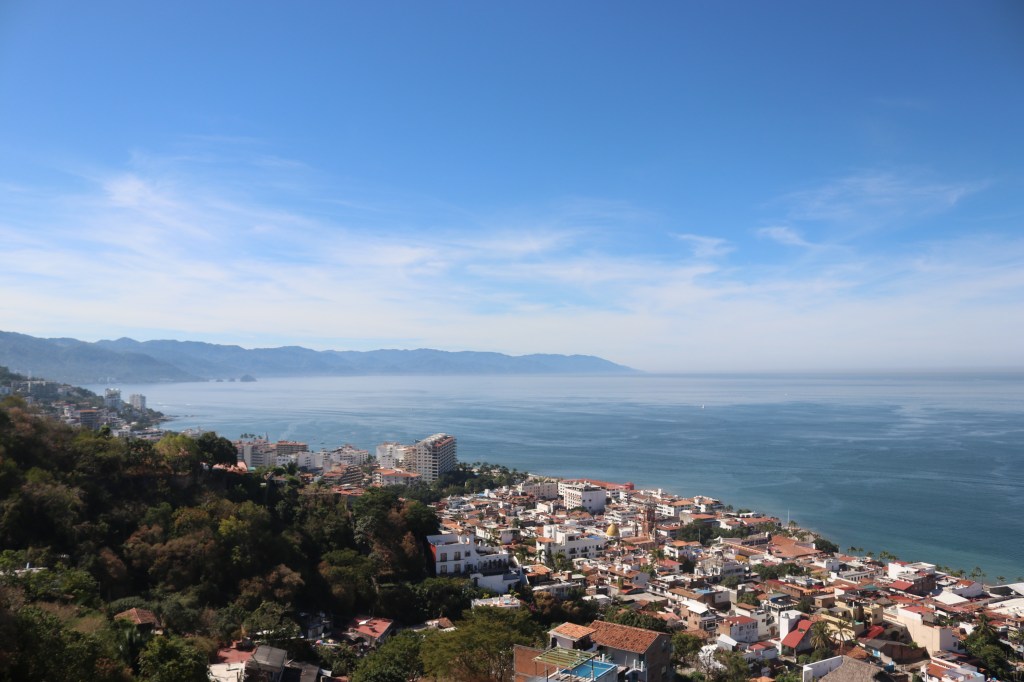
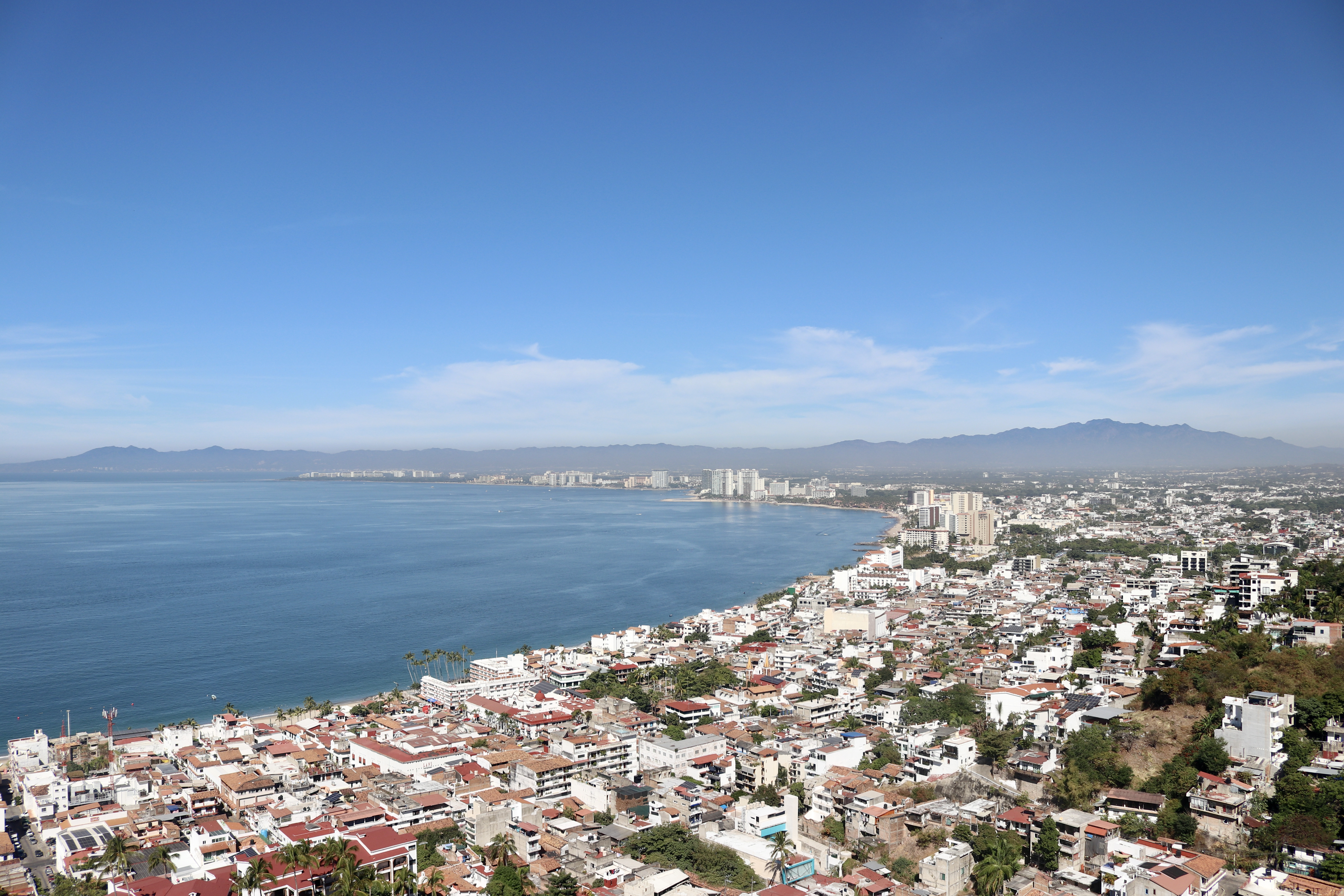
Having taken in the bird-eye-view of the town, we descended and found a small hidden restaurant serving one of the most famous traditional dishes in the region – Birria Tacos! After all, we deserved this treat, and especially appreciated having a meal in a local street food place. Our next stop was… the Museum Chocolate!
The visit was delicious and informative, reminding us that Mexico truly is the cuna de cacao (birthplace of cacao), with both the word and early uses of chocolate native to the country. We enjoyed the chocolate at this special museum, albeit knowing that taste and form were a long way from the original bitter concoctions by the Mesoamericans, who used chocolate to cure fevers and as a key ingredient in religious rituals. Here’s to Maya and Aztec people, who discovered my favorite treat!
That night, the three of us were drawn into a small restaurant where I discovered Ceviche – my favorite snack on this trip. The dinner evolved into a night filled with salsa and soulful Son Cubano music which enchanted and inspired us so much, that you could see us swinging on our way home, all the way along the Malecón…
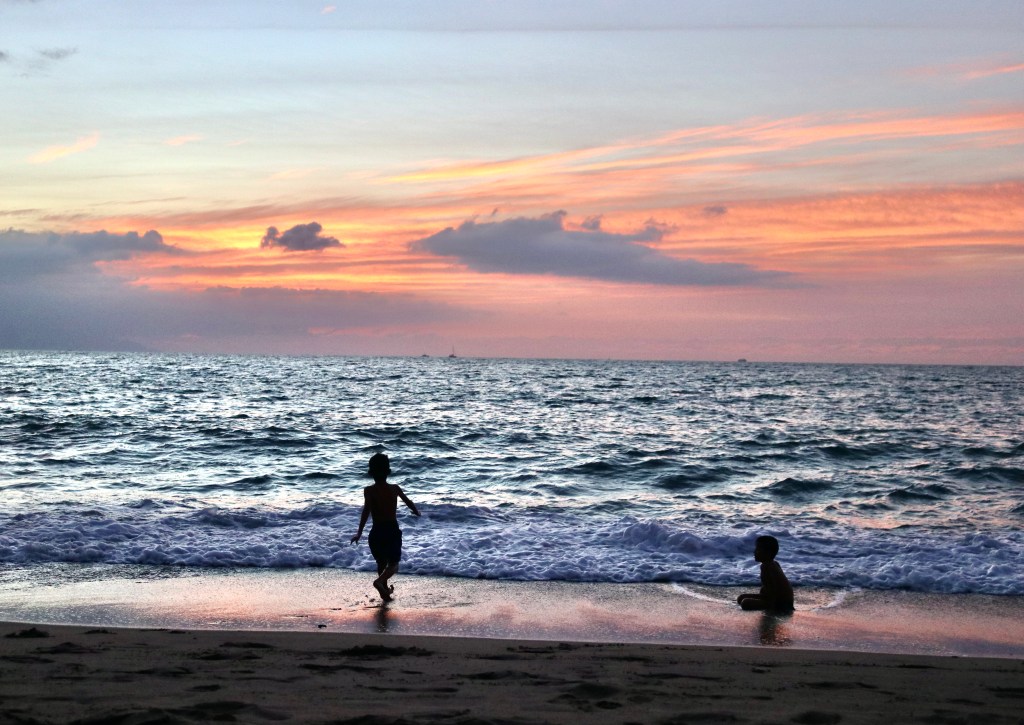
The following morning gifted us with a unique and esthetically delightful adventure in Vallarta Botanical Garden – a natural sanctuary where Mexican native plants and a superb collection of orchids are cultivated in a plant laboratory. If I had to choose three things that are not to be missed on a trip in Vallarta, the garden would be one of them! This place was difficult to leave – every plant and every bee seemed to be singing an ode to joy in a space filled with healing beauty. Little wonder, this place has been designated as Mexico’s International Peace Garden.
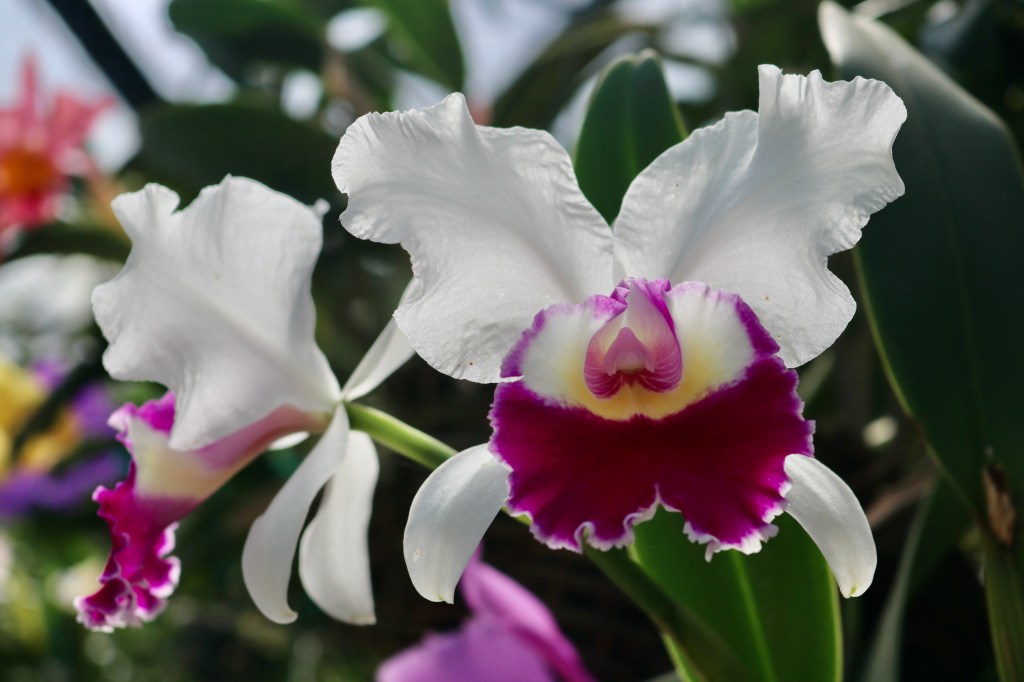
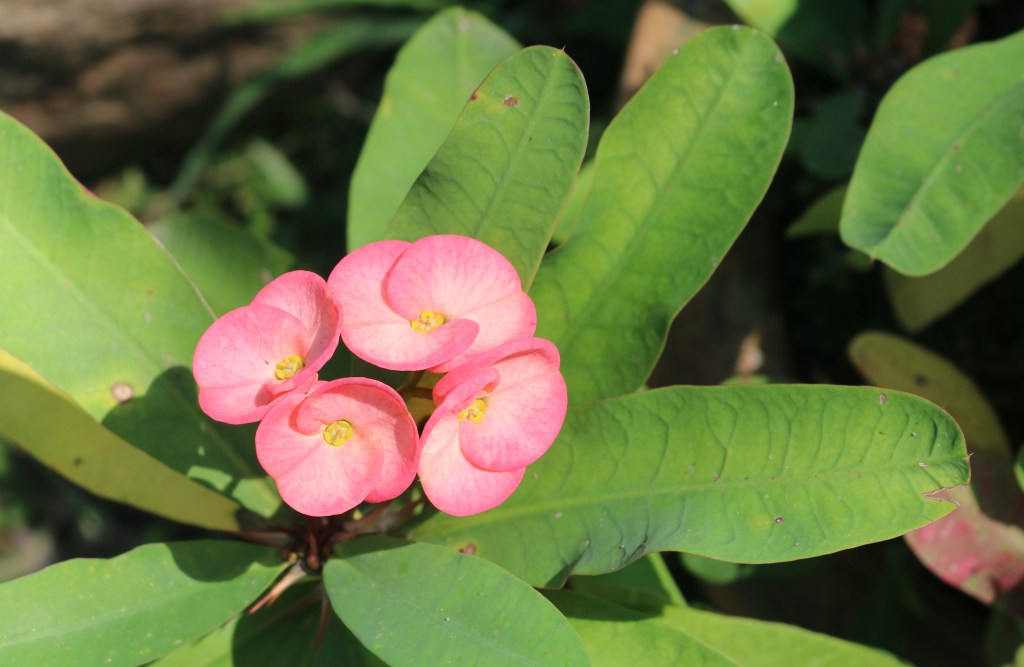
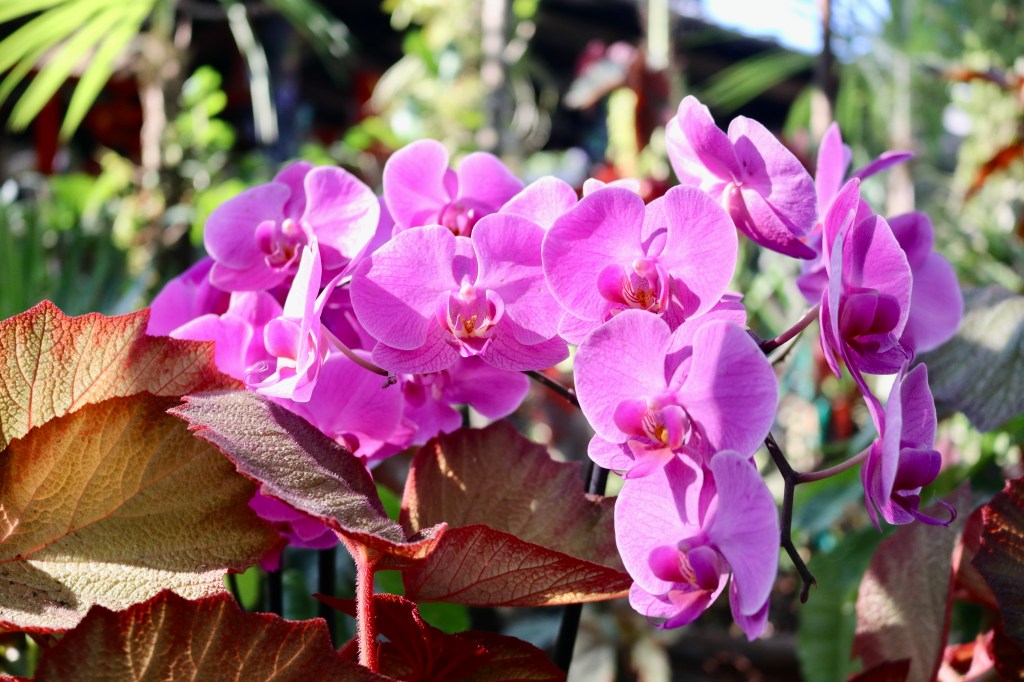
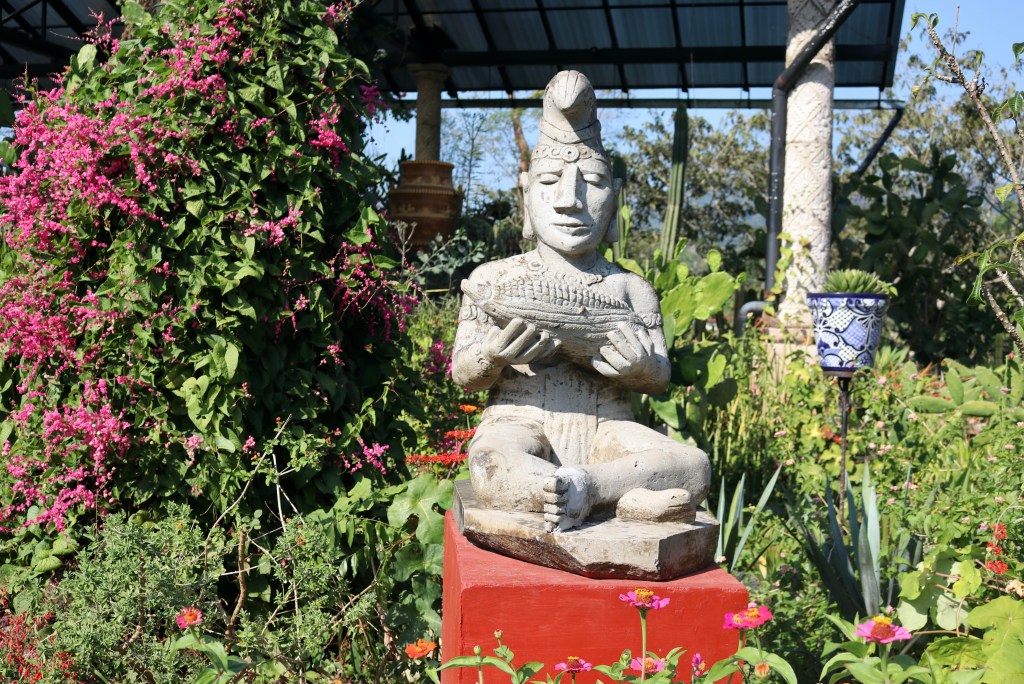
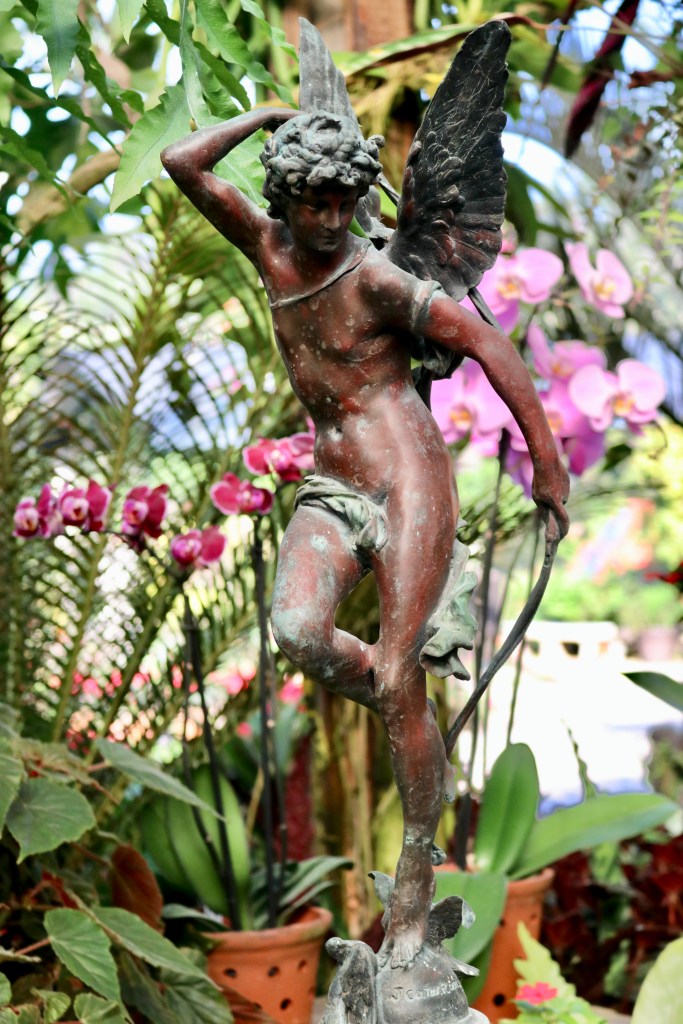
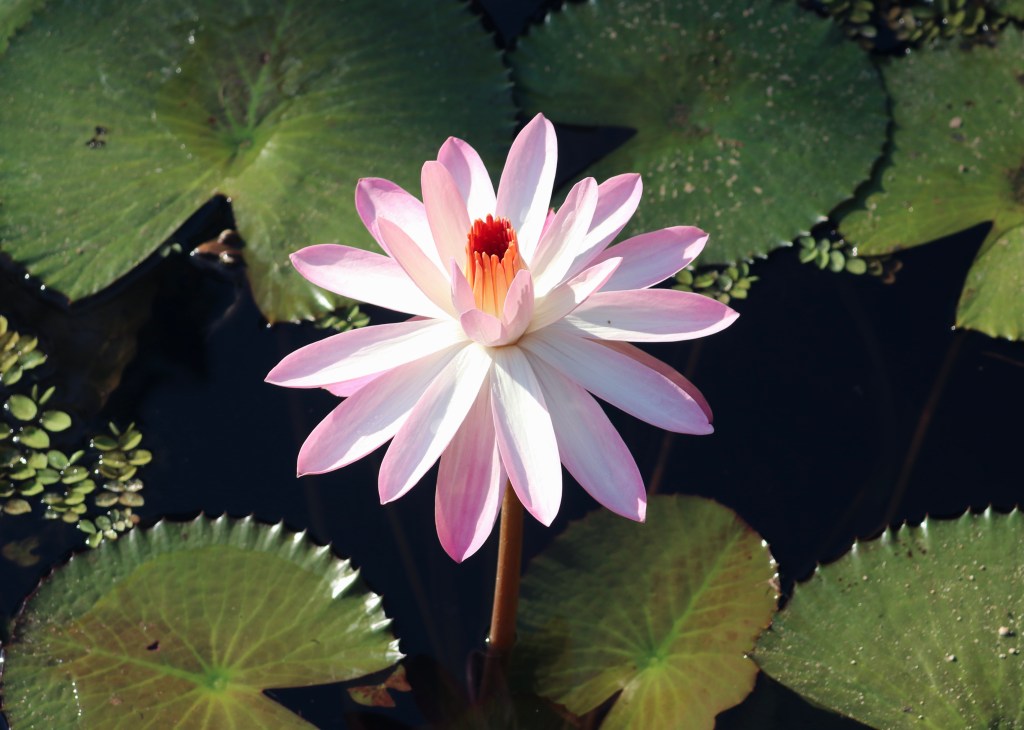
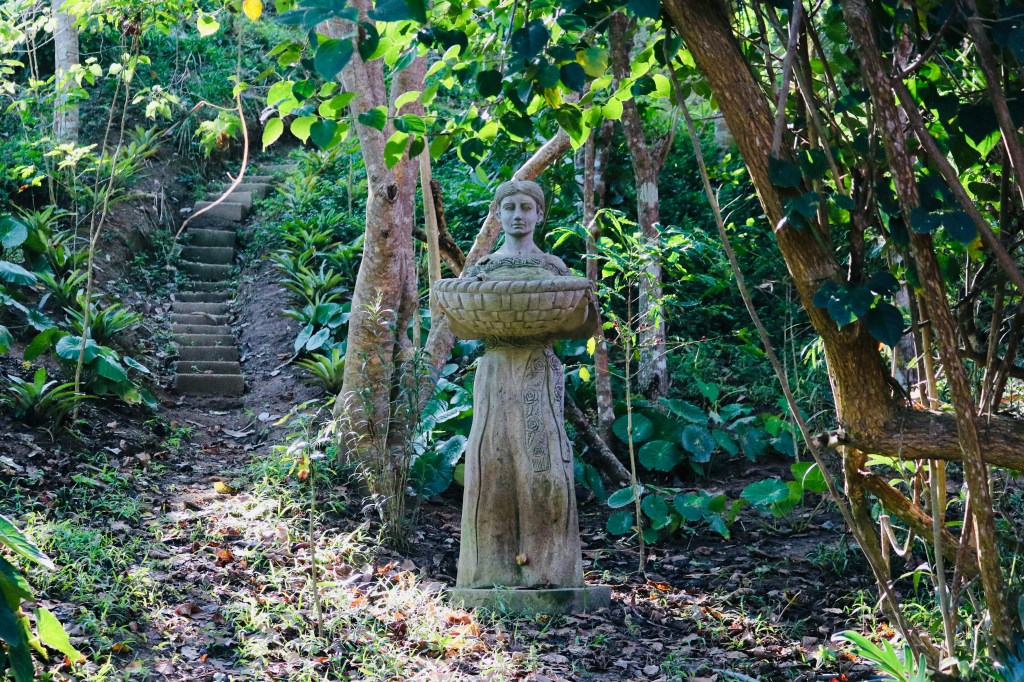
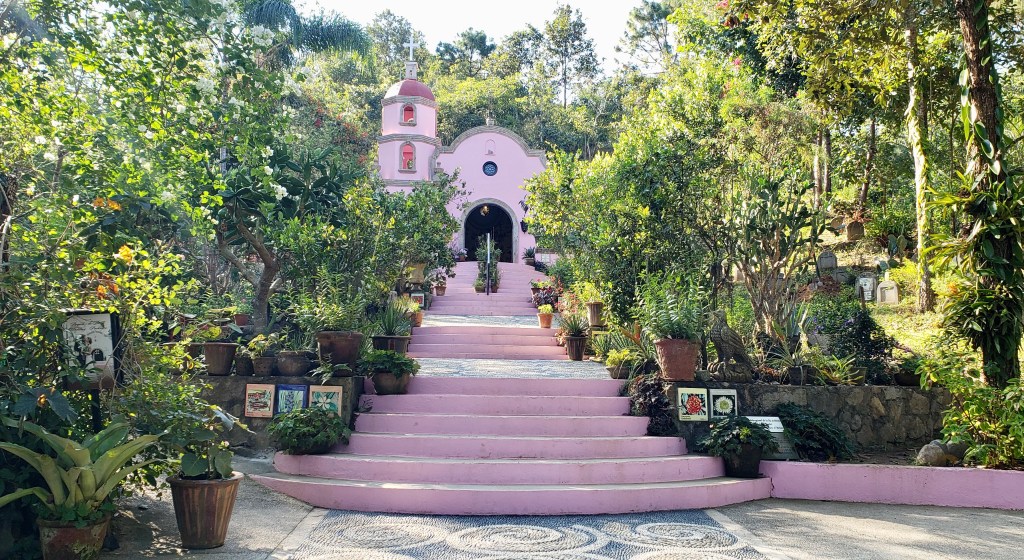
The highlight of the visit was discovering a hidden little structure – a multi-faith chapel Nuestra Señora del Jardín (Our Lady of the Garden), where one immediately feels calmness and tranquility. The wall painting inside the chapel re-creates the natural world that is full of hummingbirds dancing around orchids and other exotic plants. Merging color fields create a special evocative effect and further enliven the space. This art installation was conceived and performed in 2021 by artists David Allen Burns and Austin Young.
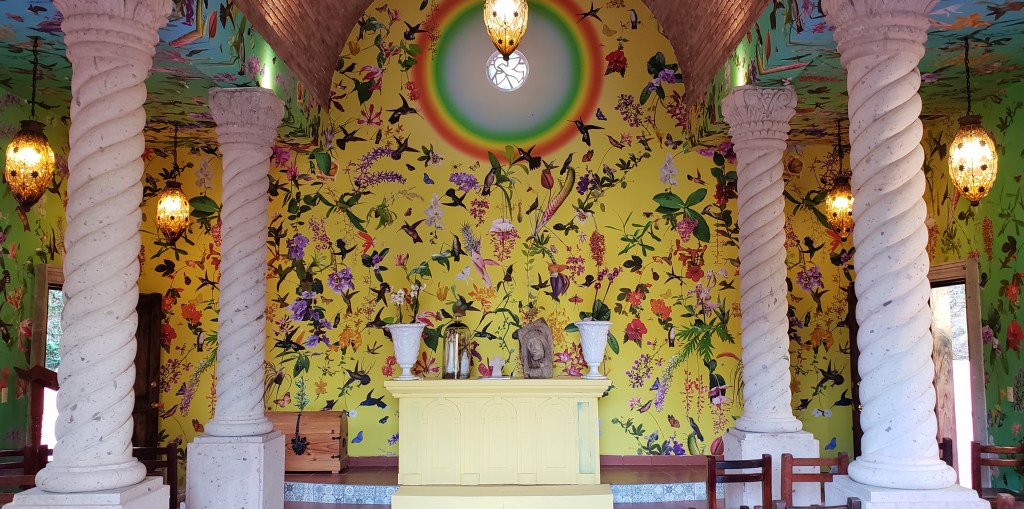
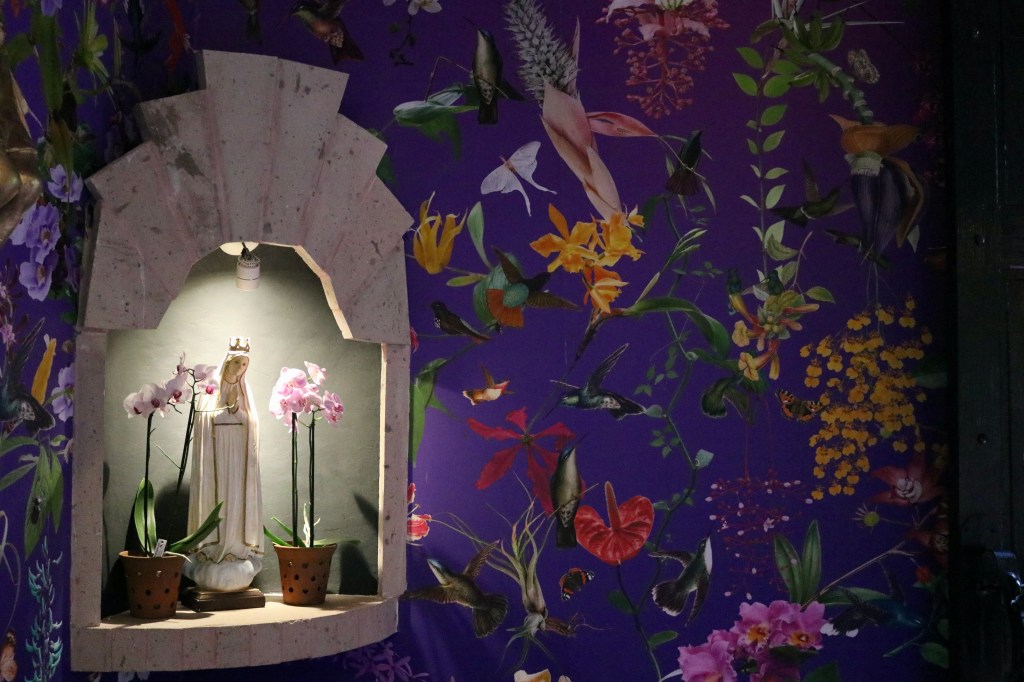
Our last full day in Vallarta turned into the exploration of local wilderness! Brave enough, we took a bus to Boca de Tomatlán – a lively little traditional fishing village and a popular starting point for water taxis going to various other beaches. Our goal was to hike from Boca through the lush tropical jungles along the pathway that disappeared every now and then. Thanks to a friendly local guy trekking ahead of us, we were reassured and shown the right direction whenever the trail looked confusing.
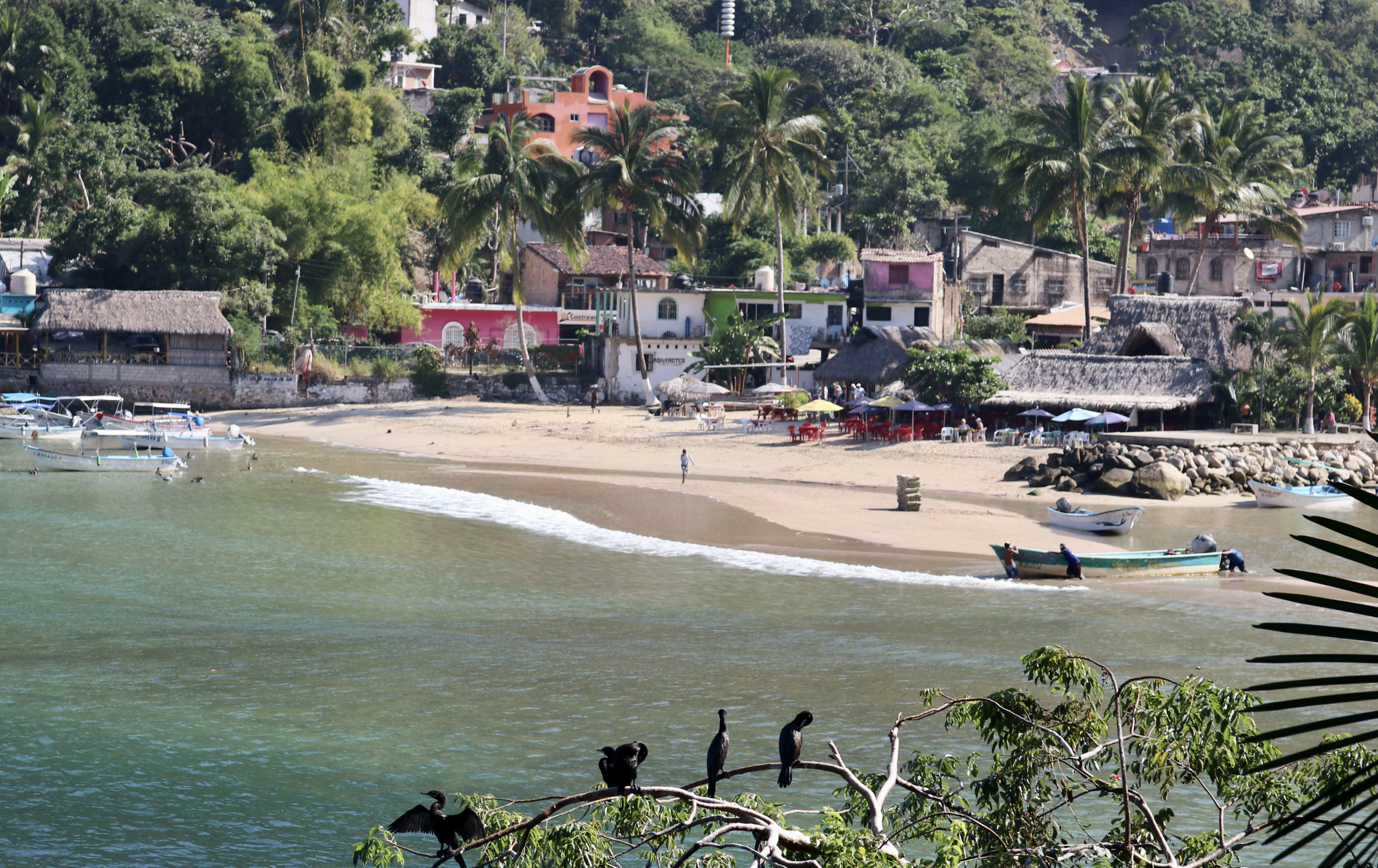
Eventually, we reached Playa Colomitos, which turned out to be the best of all beaches we had tried out by then. After an hour of swimming and lounging in the sun, I set off to hike the jungle trails on my own and walked further south towards Playa Las Ánimas. Secluded beach coves fringing the bay were purely gorgeous – with their turquoise blue waters, soft sand, glittering waves splashing against the rocks, palm trees casting shadows and leading to a next cove…
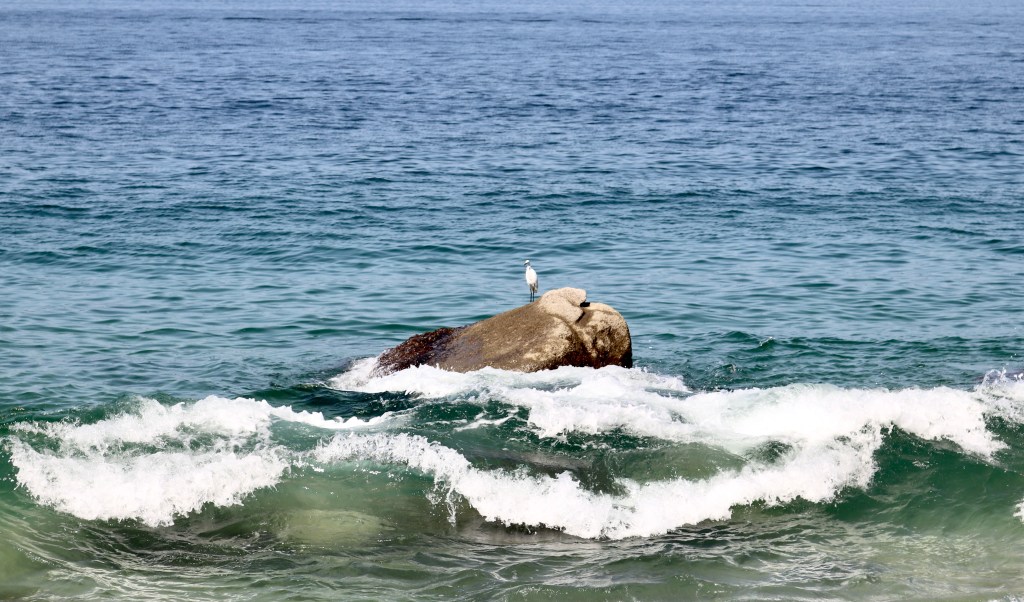
If am ever back, I will spend the whole day lazing on one of these wild coastline beaches. Most likely, it would be Playa Madagascar – the most picturesque beach, where I could forget about time and hear the ocean’s heartbeat.
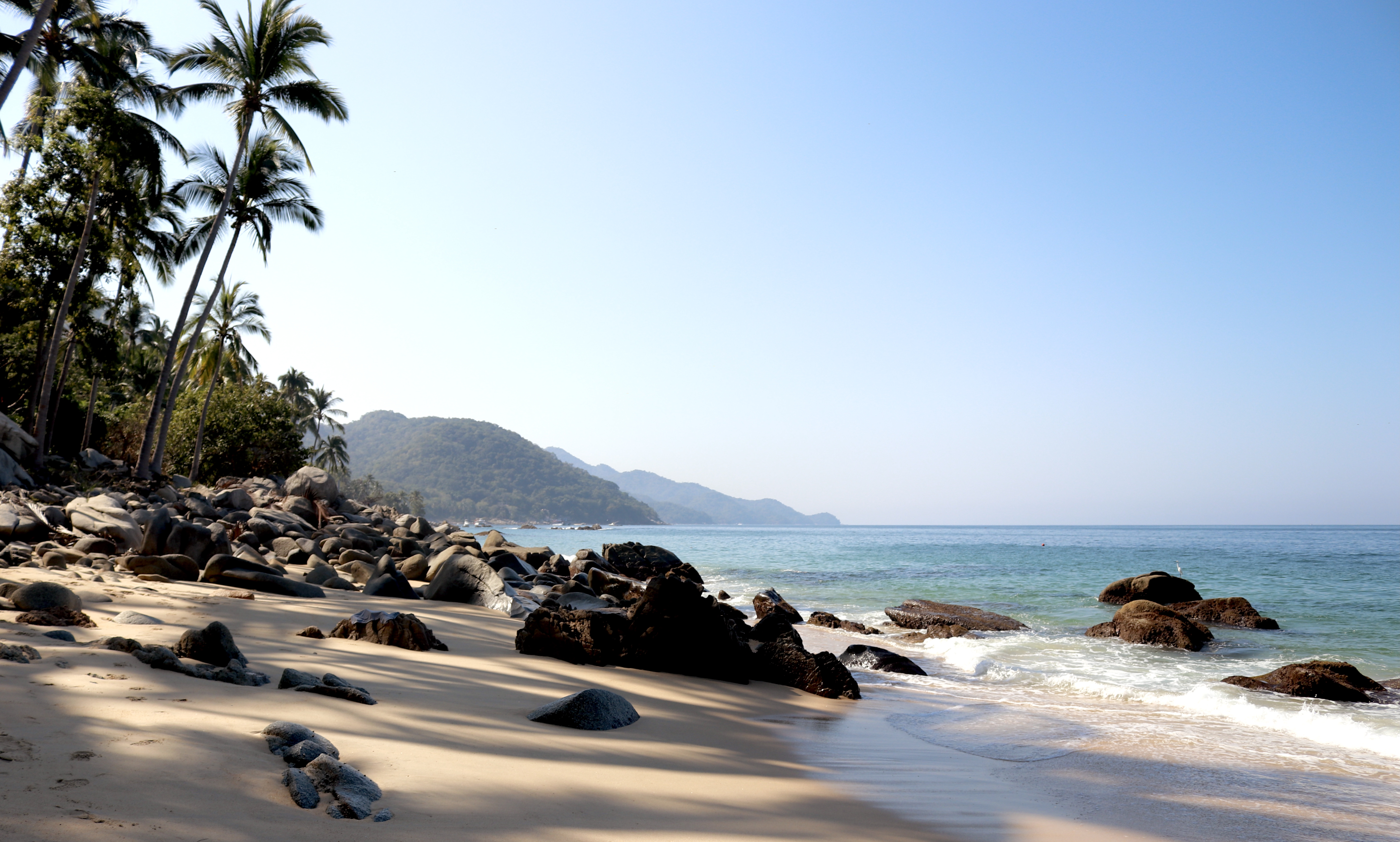
Whether one wants it or not, Puerto Vallarta will inevitably find a key to one’s heart. The lush coastal nature and the peace it emanates, the loveliness of the old town with its hidden gems, and the exploration of local ways of life, art, and cuisine – together these combine into a fulfilling and memorable vacation that will likely end up causing recurrent dreams about the bountiful heritage that is yet to be seen in this fascinating country. Where should the next expedition take me to?.. Mexico City… Tulum… Yucatán… Oaxaca?.. I know I shall travel further and further… towards the roots.
December 23, 2021
 Beloved Earth. Sketches from the Temple