(Translation from the original)
The Pacific Ocean, the Atlantic Ocean, the Ganges, the Rhine, the Elbe, the Oka. New shores continue to lure me, while rivers and seas continue to whisper their secrets to my ear. This time, my path led me to the shores of Olkhon Island, surrounded by the clear blue waters of Lake Baikal – the oldest and deepest lake on our planet. Having reached the island, I looked around: quietude, frequent gusts of soft dry wind, endless fields of sun-dried steppe grass. There is no time on the island, there is only the present moment and it completely captivates your whole being. Local nature exudes power, mysterious beauty and harmony. It is not without reason that Olkhon Island is called the “heart” of Baikal. The landscapes are incredibly diverse and combine mountain ranges, hilly steppes, ancient pine-larch forests, steep coastal cliffs, not to mention the views from the shores of majestic Baikal. In addition, everything on Olkhon is permeated by the fog of myths and legends. What will the “heart” of Baikal tell me? Let’s set off on a journey and discover the jewels of the island step by step.

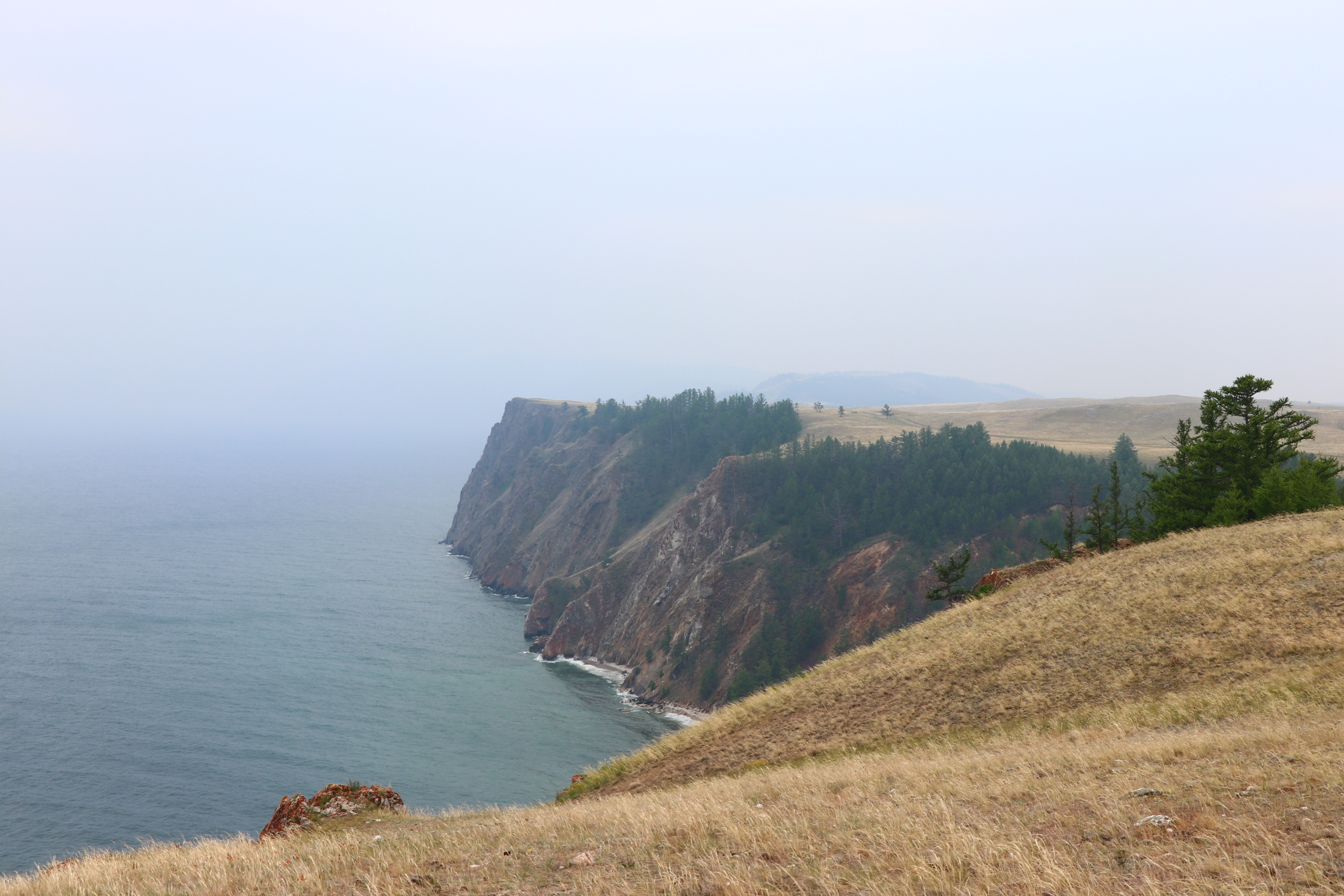
To start off, here are a few well-known facts about Baikal: this lake is an ancient intermountain basin filled with the pure fresh water, which makes up one fifth of the world’s reserves of fresh surface water by volume. The age of the lake is 25 million years. Its maximum depth is 1,637 meters. Baikal is a living organism, developing dynamically due to strong seismic and tectonic activity. A special feature of the Baikal basin are the winds, changing direction seasonally. The prevailing winds on Baikal have names: Barguzin, Kultuk and Sarma. Sarma is the most forceful hurricane wind, usually reaching a speed of 40 meters per second. Additionally, Baikal is a home for three dozen islands, the largest (and the only inhabited one) of which is Olkhon Island.
Olkhon island has been historically populated by Buryat shamans. The Buryat people of the western coast of Baikal (Irkutsk region) adhere to shamanism, while the Buryats inhabiting the eastern coast of Baikal are mainly Buddhists due to the strong influence from Mongolia. In the 18th and 19th centuries, Buddhists tried to spread their culture in the Irkutsk region, but eventually local shamans remained unswerving. Today, Olkhon Island is one of the cultural spiritual centers of central Asia. From time immemorial local shamans have prayed here for enlightenment, eradication of evil, and peace on Earth for all.
Shamanism is the oldest of religious traditions. It is based on the worship of spirits, deep regard for ancestors, and the deification of nature. The emergence of this tradition, according to various sources, dates back to the periods from the beginning of the 4th millennium BC to the Paleolithic era. For shamans, nature is a temple, while their places of worship are various natural sites (rivers, rocks, trees, etc.). Local Buryat people worship, first of all, the eternal blue sky (Tengri), which is the highest representative of all the forces of nature. It is believed that the intermediaries between people and the supreme celestial spirits are heavenly spirits who descend onto earth to manifest the highest goals and will of the eternal sky. For shamanists, each individual area, each tribe, each clan has its own patron spirits, and each area has its own legends about their origin. Since ancient times, the patron spirit of Olkhon has been the bald eagle, which, according to one legend, is the son of the owner of the island.
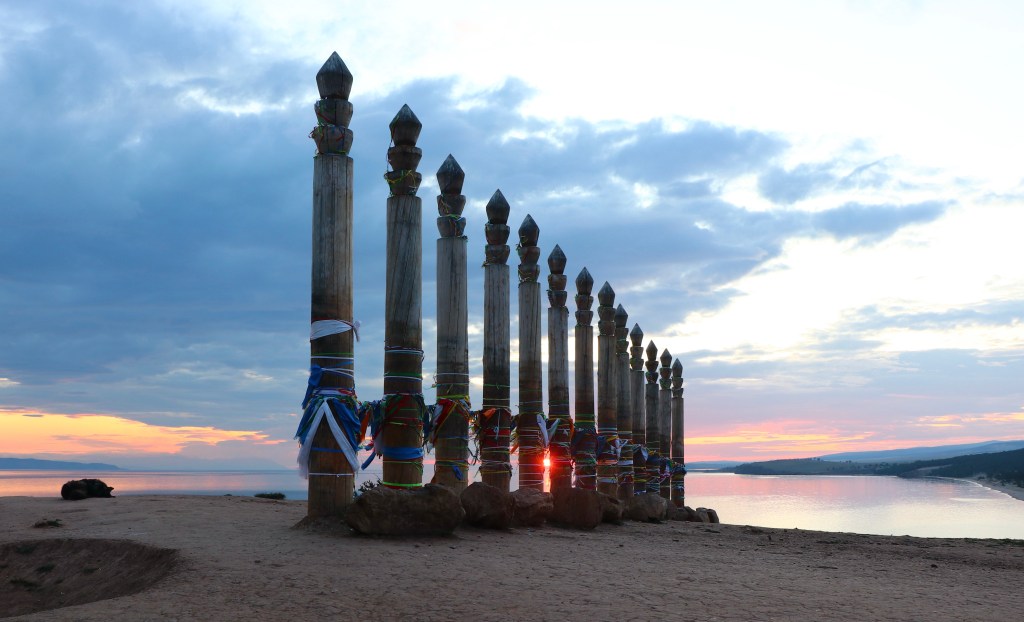
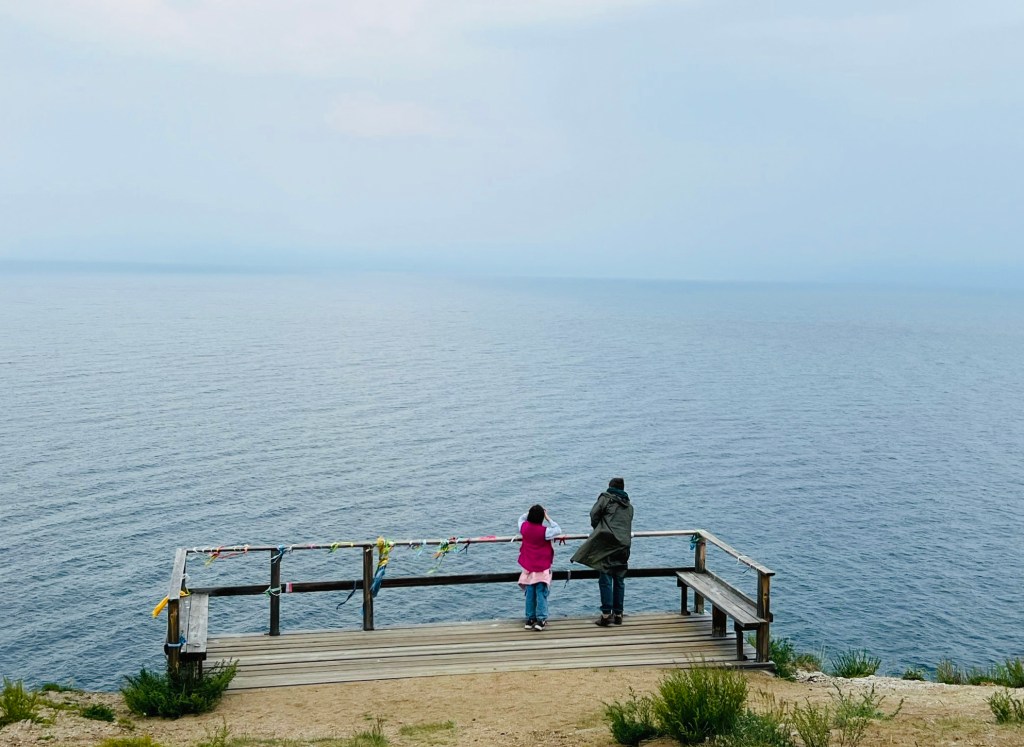
During my walks along the coast of the island I often came across wooden or stone posts – so-called ‘Serge’, or “hitching posts”, each of which, according to Buryat custom, belongs to a particular clan. In the past, they stood near each yurt and symbolized the “World Tree”, uniting the three worlds: the supreme celestials, earthly inhabitants, and representatives of the underworld. One of the sacred places on Olkhon is the prominent hill with Thirteen high Serge posts, symbolizing the thirteen northern heavenly rulers. Ribbons of different colors usually flutter on those posts. In Buryat shamanism, the color of the ribbons tied to the posts and trees has a symbolic meaning and is associated with an appeal to the spirits. Here are the main meanings of the ribbon colors: White: symbolizes purity, spirituality, connection with ancestors and a prayer to the heavenly spirits. Blue: the personification of the Eternal Blue Sky, infinity. It is a symbol of harmony, kindness, and loyalty. Red: symbolizes blood ties, family, and well-being; also it is associated with power and security. Yellow: associated with the sun, prosperity, and well-being. Green: a symbol of vitality, health, and fertility. Both the Buryats and the Mongols consider it a feminine color, which symbolizes Mother Earth and a prayer to the spirits of nature.
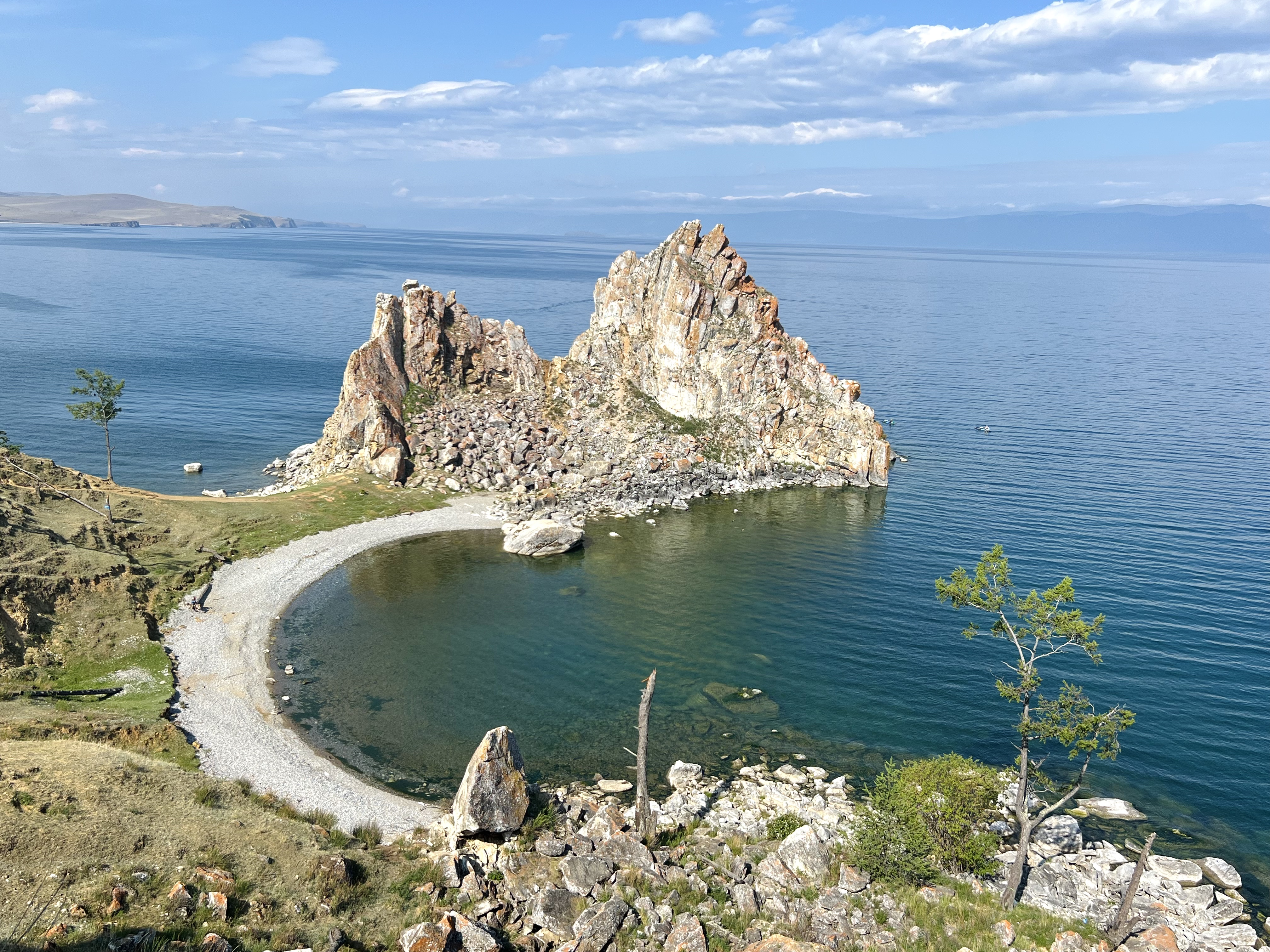
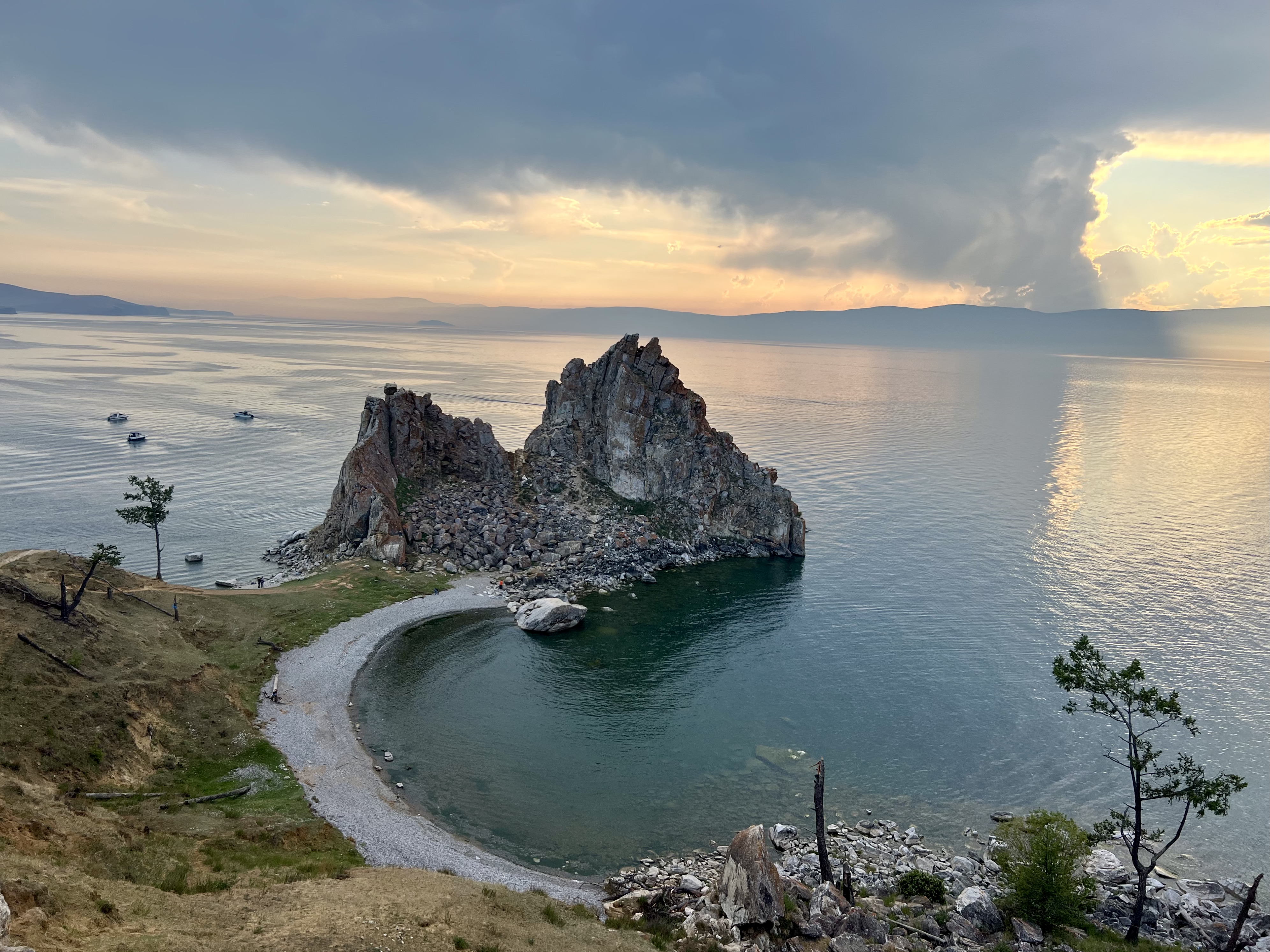
On the very first evening upon my arrival at Olkhon, I went to Cape Burkhan, a high cliff with steep rocks that is considered a special sacred place for shamans. Once I approached the sight, I had no doubts about the significance of this place: such a majestic, powerful, and mysterious aura permeated the space surrounding the cape, while the incredibly beautiful two-headed marble rock Shamanka stood out, bordered by the silvery-blue waters of Lake Baikal.
Shamanka Rock is an important sacred place on Olkhon Island and one of the shrines of Central Asia – an attraction for those who practice shamanism and Buddhism. Previously, shamanic rituals were regularly held here and for some time there was an altar of Buddha. Local residents have long considered the rock to be the earthly palace of the Ezhin (master spirit) of Olkhon – Khan Khute-Baabay – the oldest and most powerful of the thirteen northern heavenly rulers. According to Buryat beliefs, the invisible parts of the palace go high into the sky and underground. The Mongols also revered the rock as a shrine and came to pray to it. The veneration of the rock has been so great since ancient times that a horseback rider, galloping from one end of the island to the other, would dismount, wrap the horse’s hooves in cloth and pass by Shamanka while trying to make no sound. Every day of my stay on the island I came to admire the beauty of the rock in its unique chiaroscuro garments.




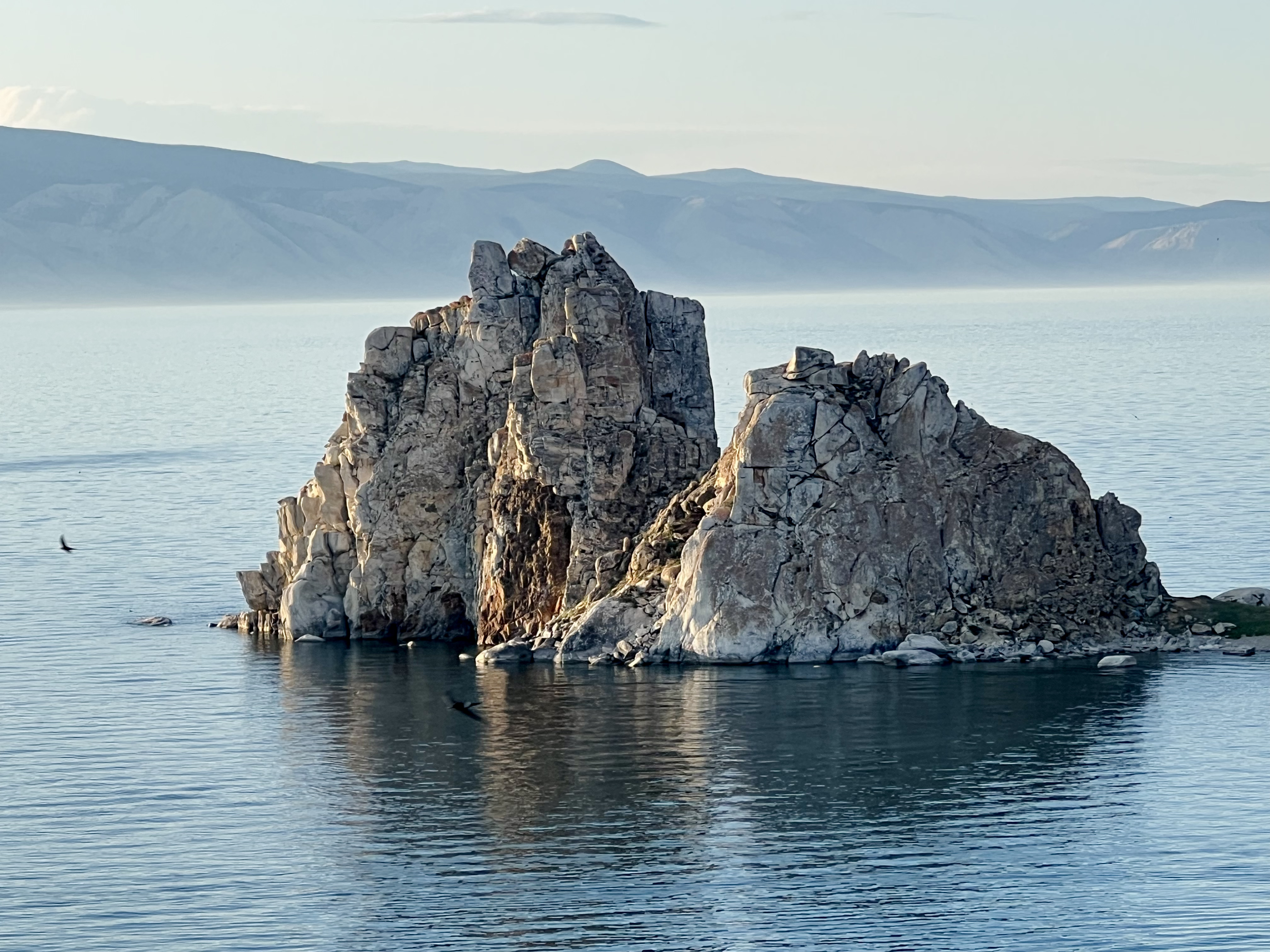
Although Shamanka stands at the head of the caravan of my memories of Baikal, my story would not be complete without mentioning other natural and historical treasures of Olkhon.
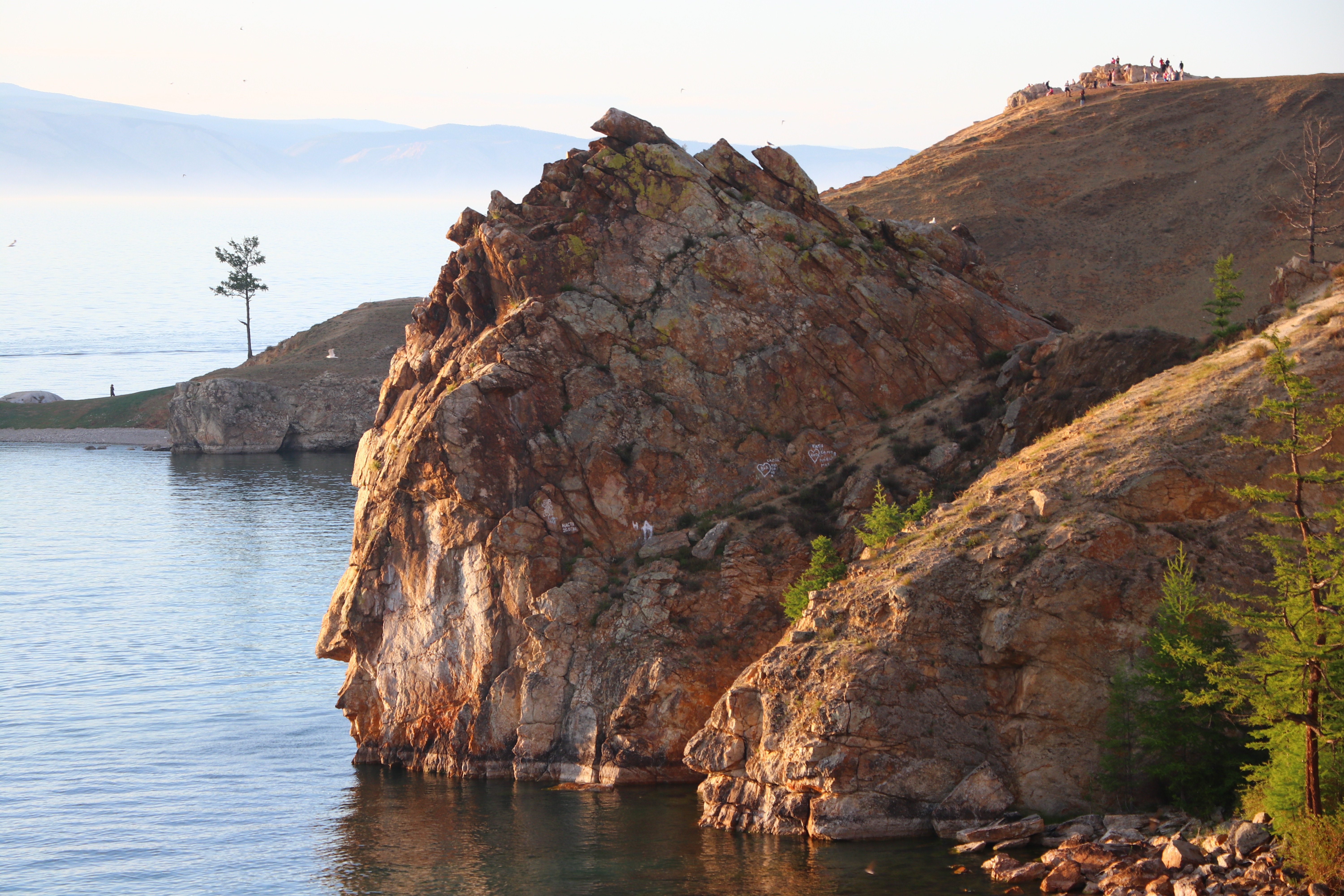
Aside from remarkable natural heritage, Olkhon preserves archaeological evidence of the life of a mysterious people called the Kurykans, who lived here in the 5th-7th centuries. Almost nothing is known about the Kurykans to this day. The ruins of a stone defensive wall, presumably used as a cult sanctuary, as well as the remains of a ditch and rampart stretching across the isthmus of one of the capes, testify to the highly developed culture of these ancient tribes, who subsequently migrated north and are considered the ancestors of the Buryats and Yakuts. The island also contains archaeological evidence of the Neolithic era. Based on excavations of a unique necropolis of an ancient Siberian tribe at the end of the 20th century, a hypothesis was put forward about the Asian origin of the North American indigenous population, whose ancestors came to America from Eurasia through the Bering Isthmus in the Stone Age.
While the history of the Kurykans is still shrouded in a fog of mystery, the myths and legends associated with the local natural monuments are abundant. Cape Khoboy, located on the northern tip of Olkhon Island, is a cliff that drops sharply into the water and is another sacred place among the locals. Another name for the cape is Deva (the Maid), because if you look at it from the beach (which I was unable to do), the main rock resembles the outline of a woman’s body. According to Buryat legend, the rock is a petrified young woman who, out of envy of her husband, asked the Tengri gods for the same palace as the one granted to her husband. The Tengri, with the words “As long as there is evil and envy on Earth, you will be a stone,” turned her into a rock.

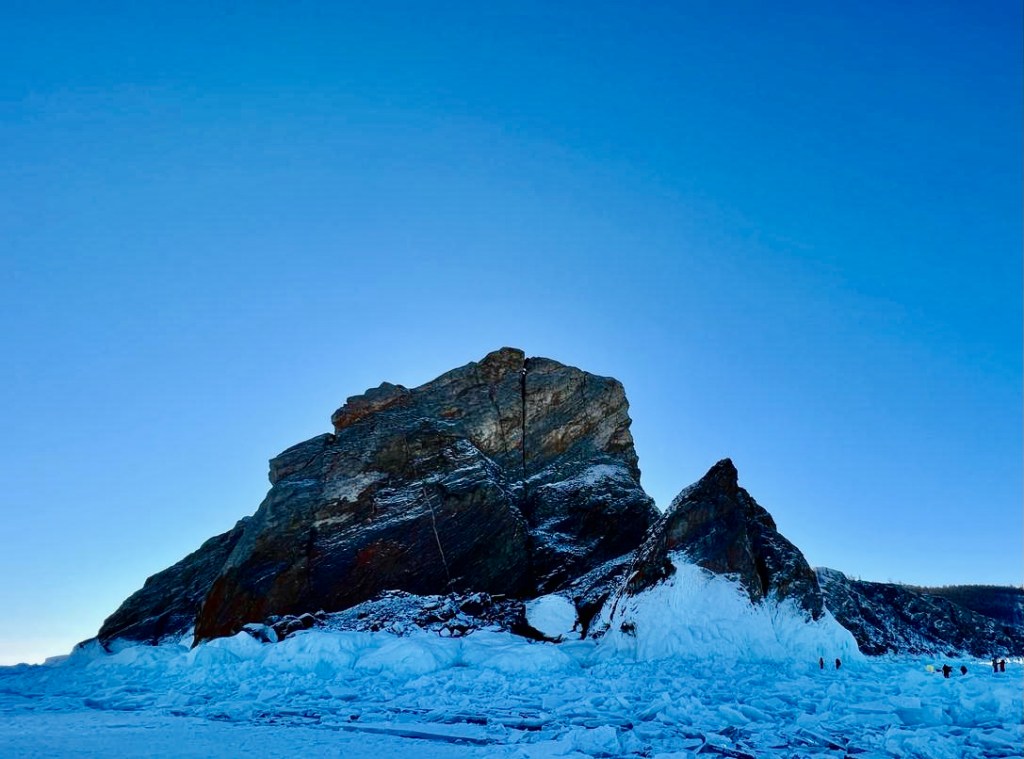
The theme of turning someone into stone is one of the most common in the myths associated with Olkhon. Another outstanding rocky cape, Sagan-Khushun (translated from Buryat as “white cape”), located on the northwestern shore of Olkhon and consisting of three white marble cliffs, is identified with three brothers, who, according to legend, were turned into stone by their shaman father for disobedience. The views from the capes invite serene contemplation.

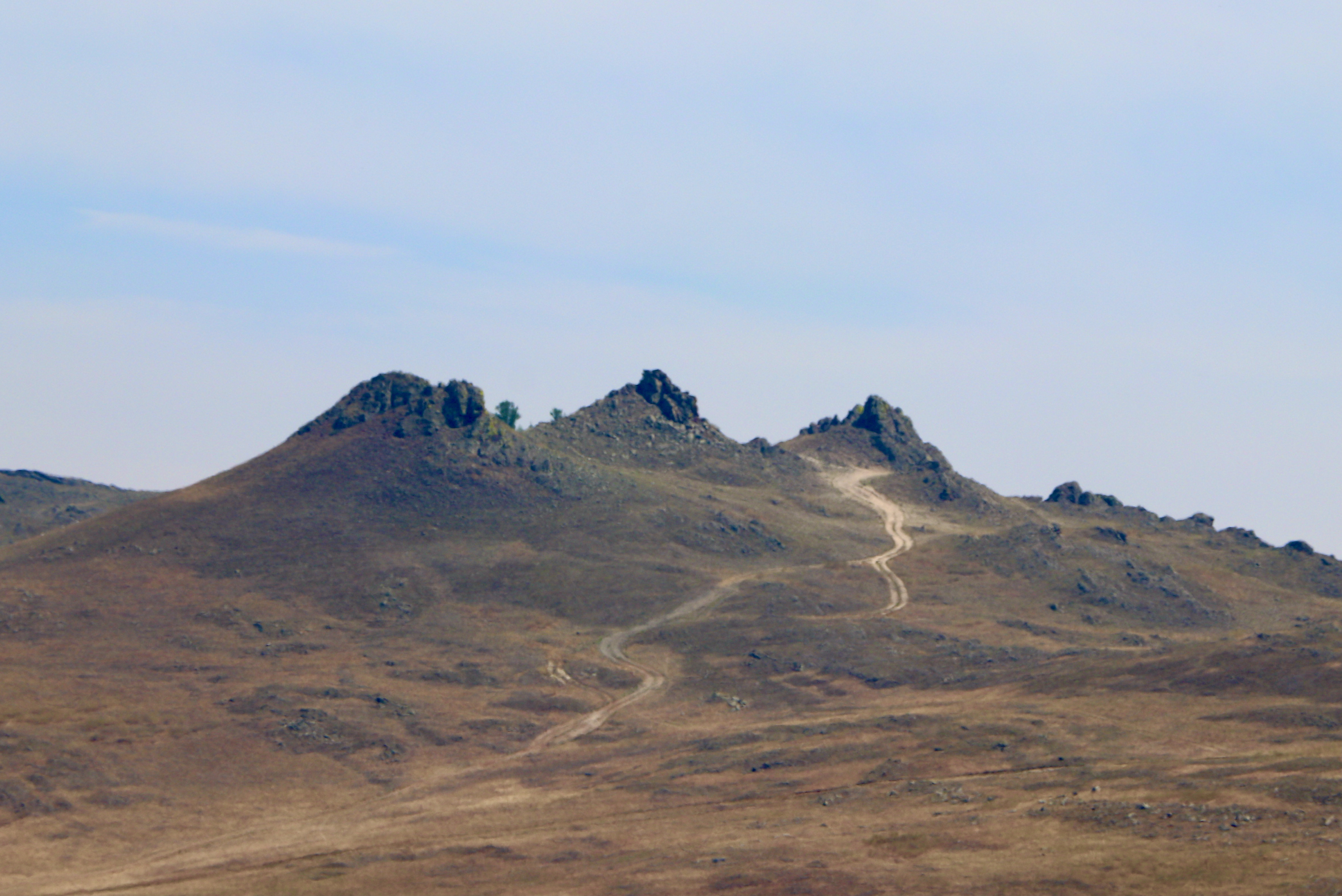
Another local landmark is the rocky ridge, also known as the Trident, located in the south of the island, in the middle of a wide steppe. Three rocky outcrops covered in moss resemble the ruins of an ancient castle, from the top of which beautiful views of the hilly steppe, bays, and peninsulas open up.
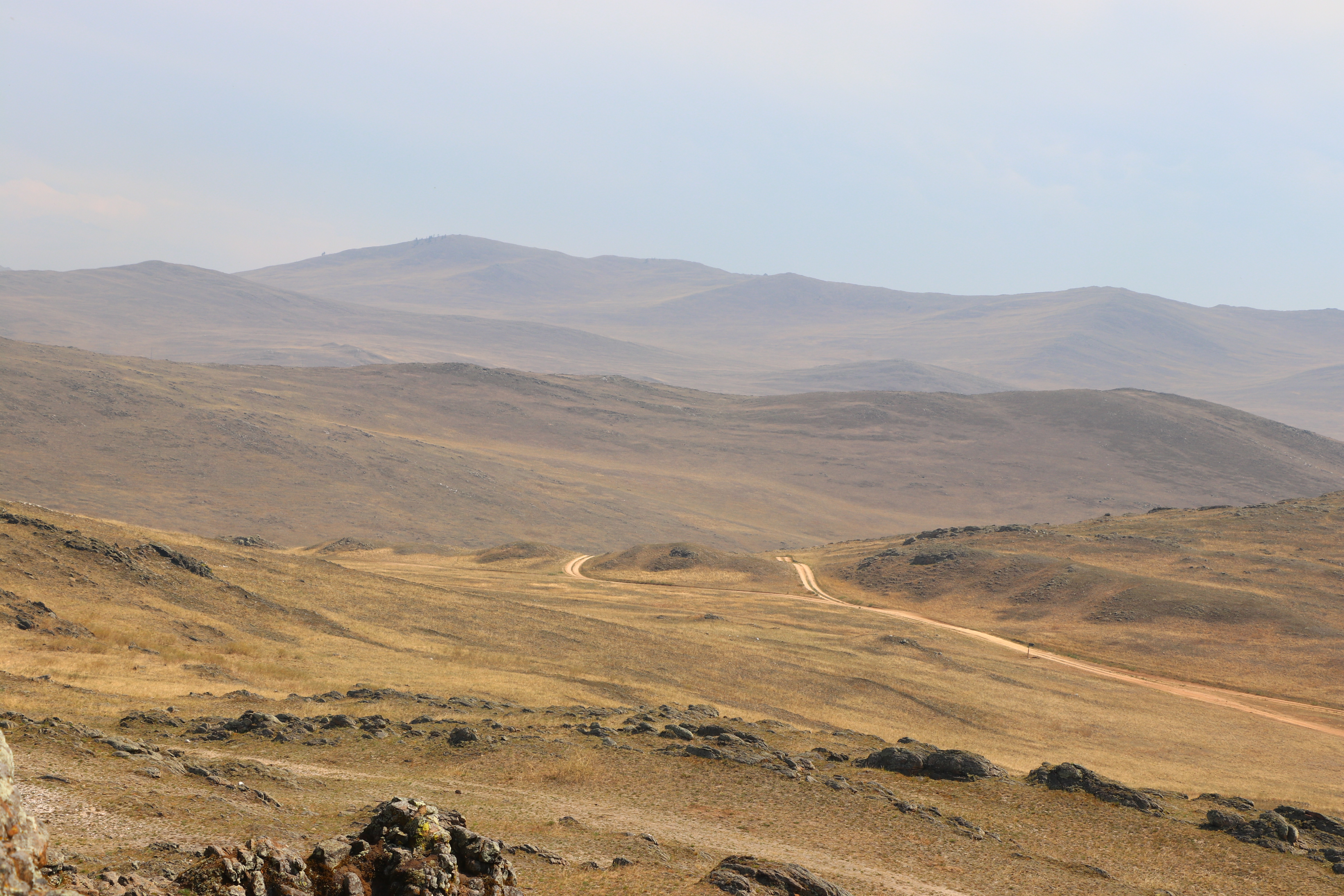

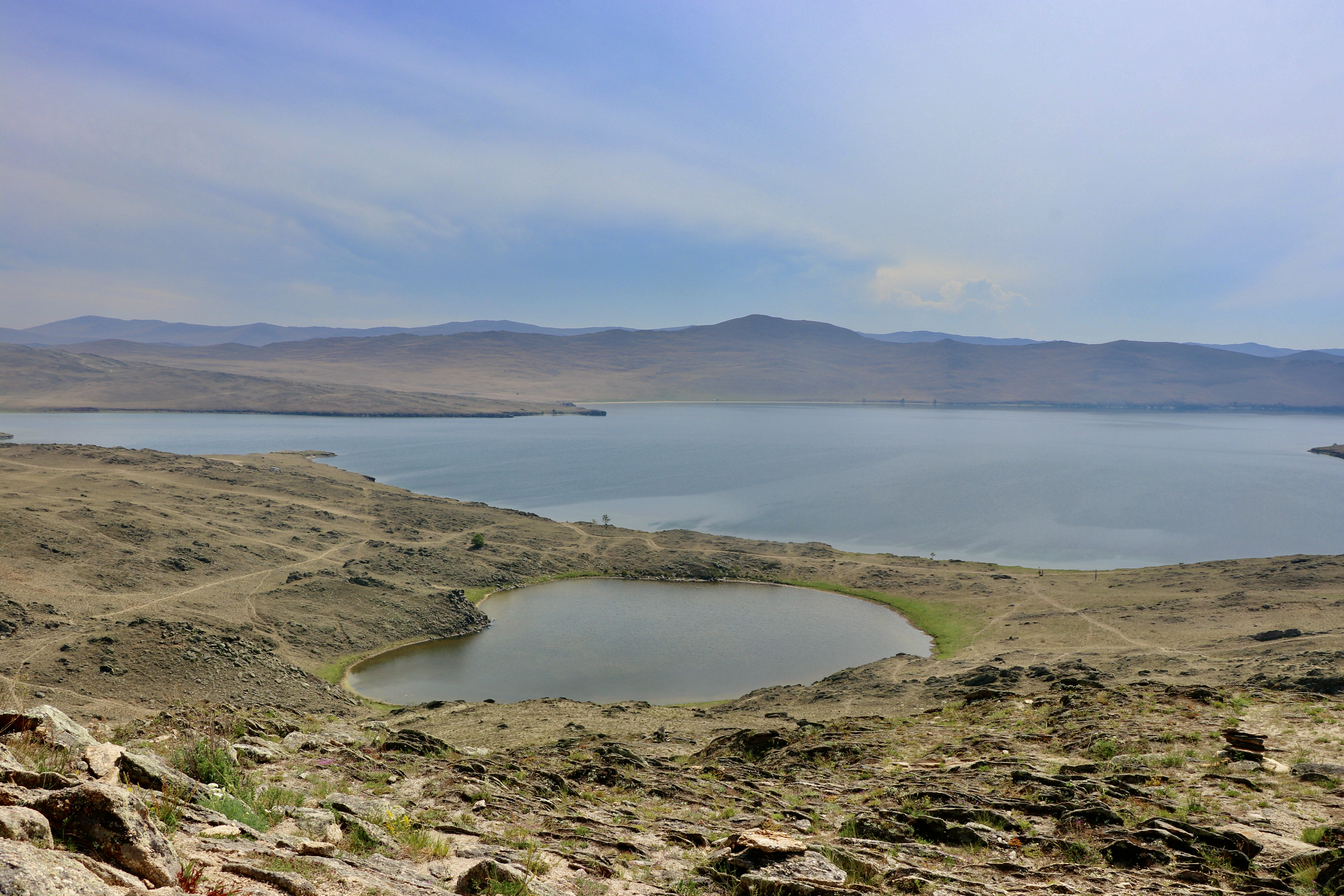
Not far from the Trident there is Heart Lake . From its shores you can see the famous Sarminskoe Gorge. It is from there that Sarma – the fiercest Baikal wind – breaks out, reaching speeds of 40 meters per second. Because of this, hurricanes occur here, which sometimes cause the collapsing of ships on Baikal. The beautiful Sarma River, originating from the Primorsky Ridge, flows along the bottom of the gorge and enters into Baikal. The Sarminskoe Gorge is also known because it is the landmark on the route by which Russian Cossacks first reached the shores of Lake Baikal in 1643. Ancient rock paintings have been preserved on the rocks of the Sarminskoe Gorge to this day.

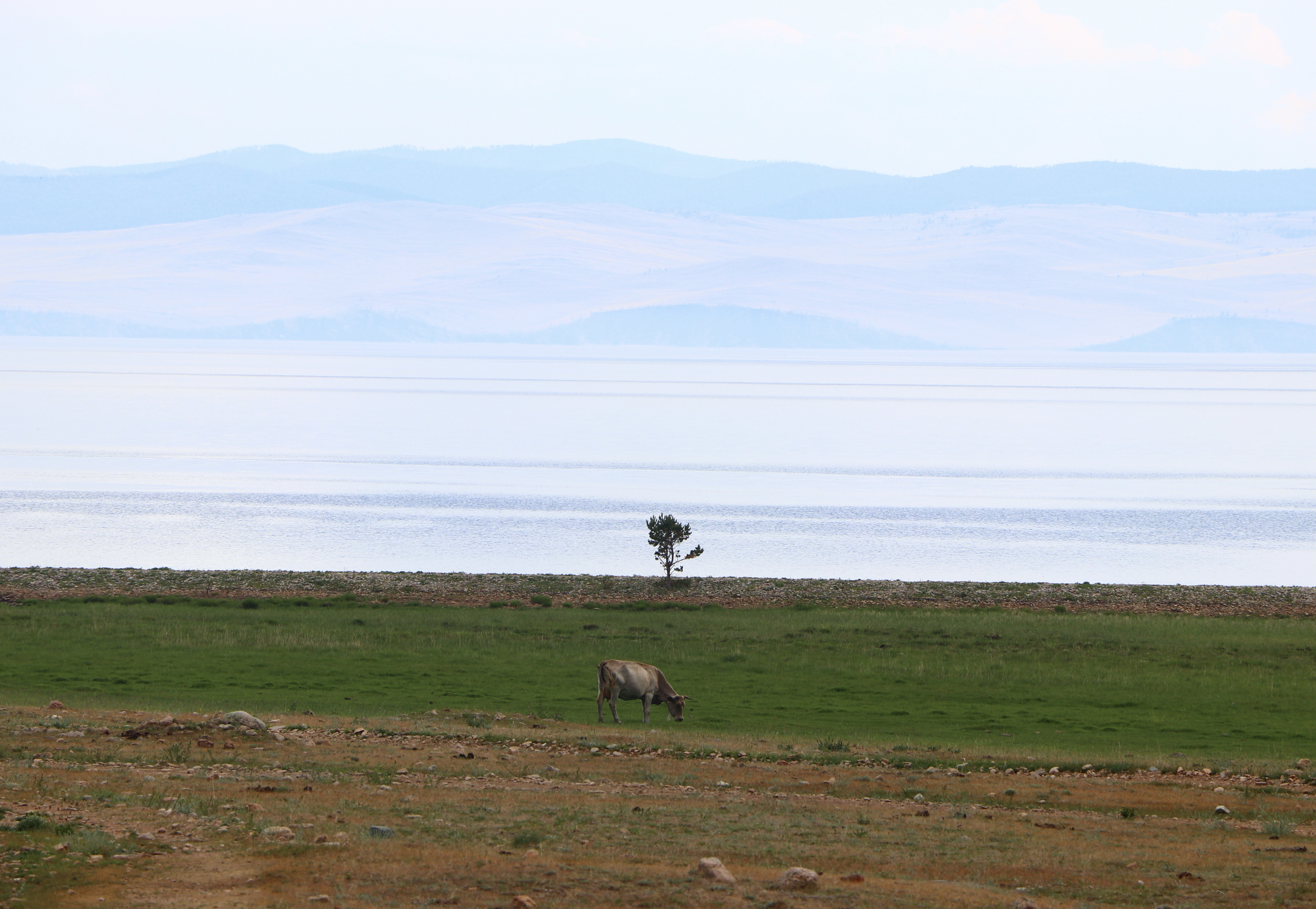
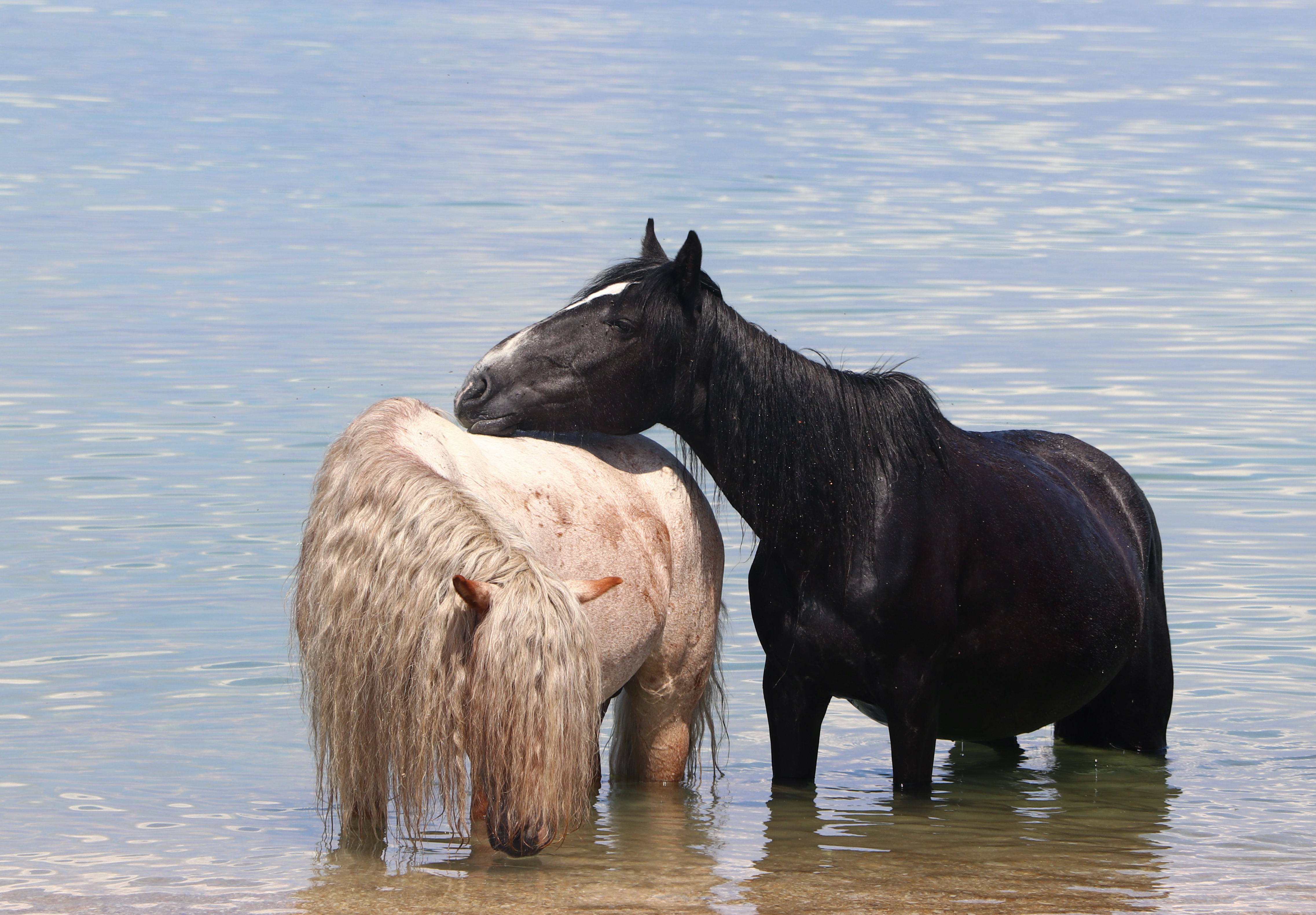
The coast of Olkhon is diverse. Rocky shores transform into sandy beaches that rim the adjacent bays and gulfs, which, along with the island’s inner lakes, are a favorite bathing place for local horses. You can rightfully watch them endlessly:


the Buddhist Stupa of Enlightenment is another landmark that I visited by riding a boat from Olkhon Island to Ogoy Island. The construction took place in 2005 and was accomplished in three months with the help of volunteers from different countries supervised by a lama from Bhutan. At the base of the stupa there is a concealed shrine: statues of Dakini Troma Nagmo – the Mother of all Buddhas, Buddhist texts, mantras, relics of forty Tibetan tantrists, handfuls of earth from different holy places, and waters from all the oceans. It is believed that one must walk around the Stupa three times – on the first round, one asks for forgiveness, on the second round, one sends gratitude out into the universe, and on the third round, one can make a heartfelt wish.

A boat ride between Olkhon and Ogoy provided an opportunity to see other small islands, which are the tops of cliffs protruding from the depths of Lake Baikal. On Izhelkhey Island, I witnessed a bird colony of seagulls and cormorants; at the foot of Zamogoy Island, I joyously observed big-eyed seals that were basking in the sun on large flat stones.

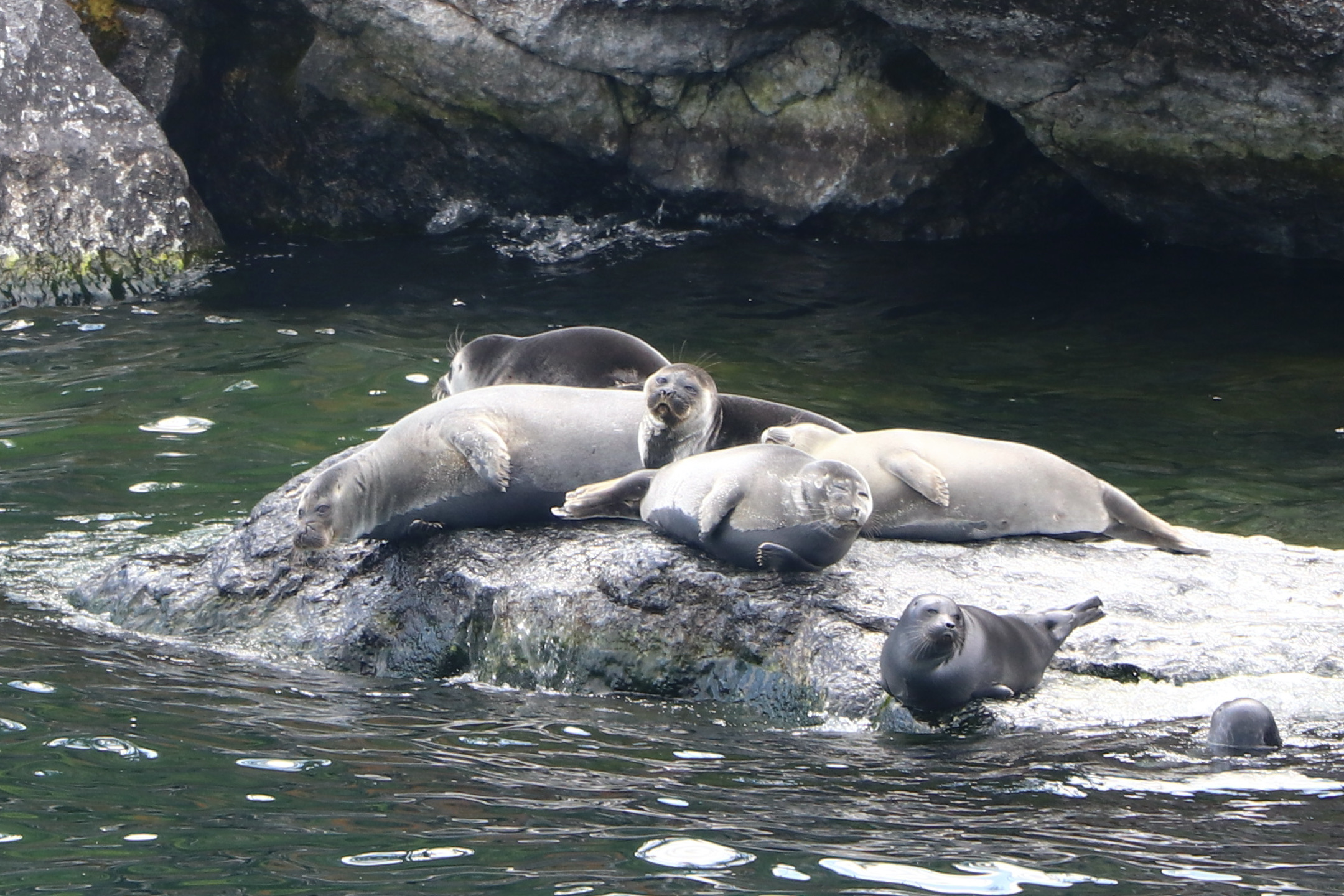
I have not yet decided which of the representatives of Olkhon’s fauna that I encountered along the way will get first place for modelling, but a brief contact with each of them left me feeling enchanted .


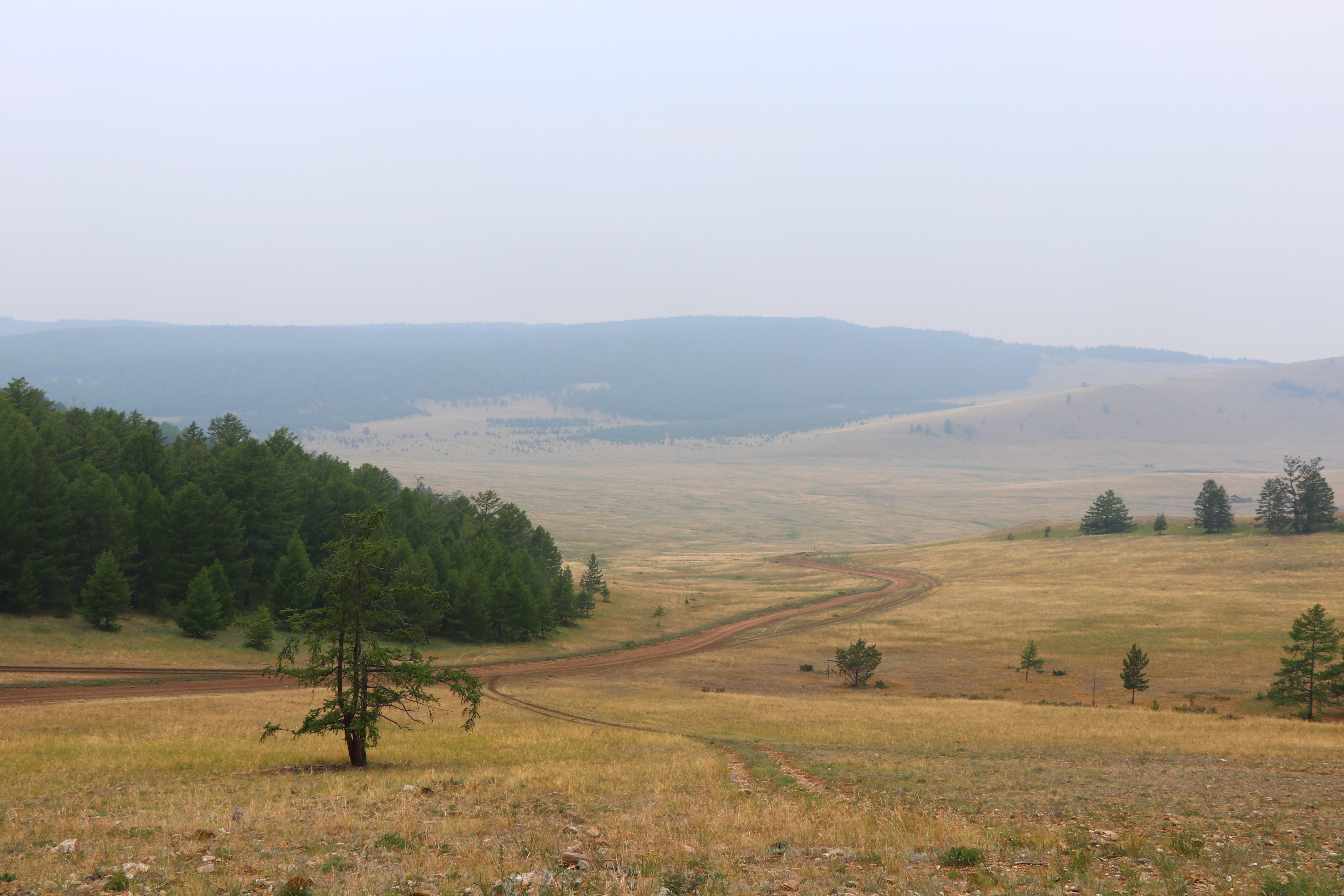
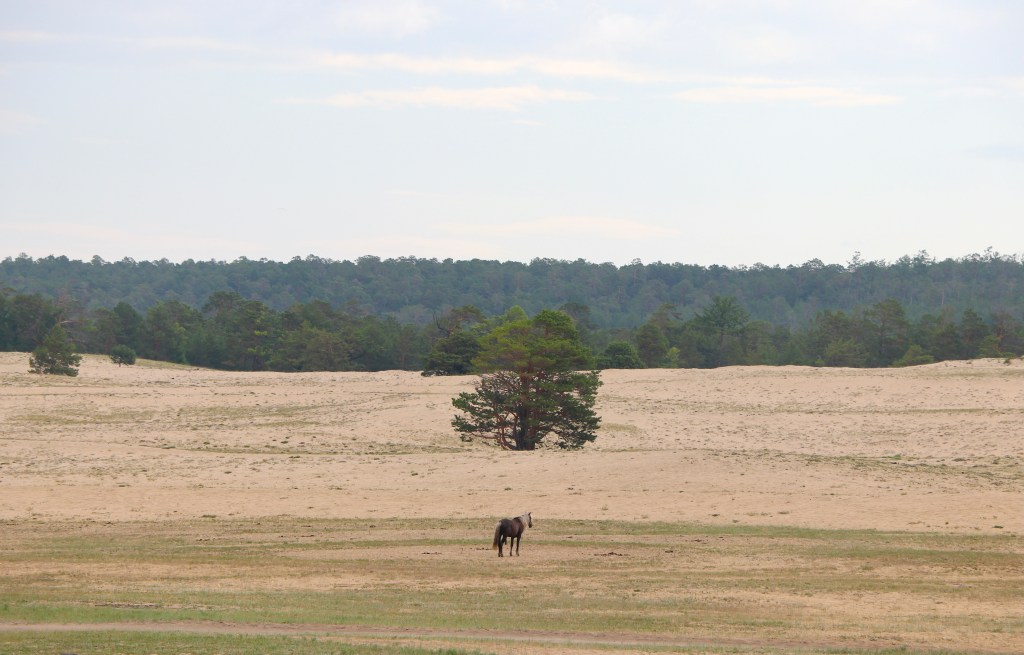
Moments from walks on Olkhon make up a precious necklace of memories. Landscapes with broad steppe fields bordered by strips of taiga forest evoked peace and a feeling of kinship with the land. Bizarrely shaped pines, sometimes curved or with exposed roots, reminded of the continuous struggle for life and, at the same time, spoke of the joy of life. Contemplating bright red lilies, wild poppies, thyme inflorescences, and other fragile flowers growing in the middle of sandy, dry soils despite the strongest hurricane winds, you find inspiration and confidence in your own fortitude. Walking along the shore of Baikal and looking back at the coastal cliffs, you involuntarily smile, seeing among them ‘Elephant-the-rock’, who is happily sipping the transparent Baikal water with its trunk. The emotions evoked by contact with pristine nature are sometimes similar to elatedness that a child experiences when discovering the beauty of the world for the first time.


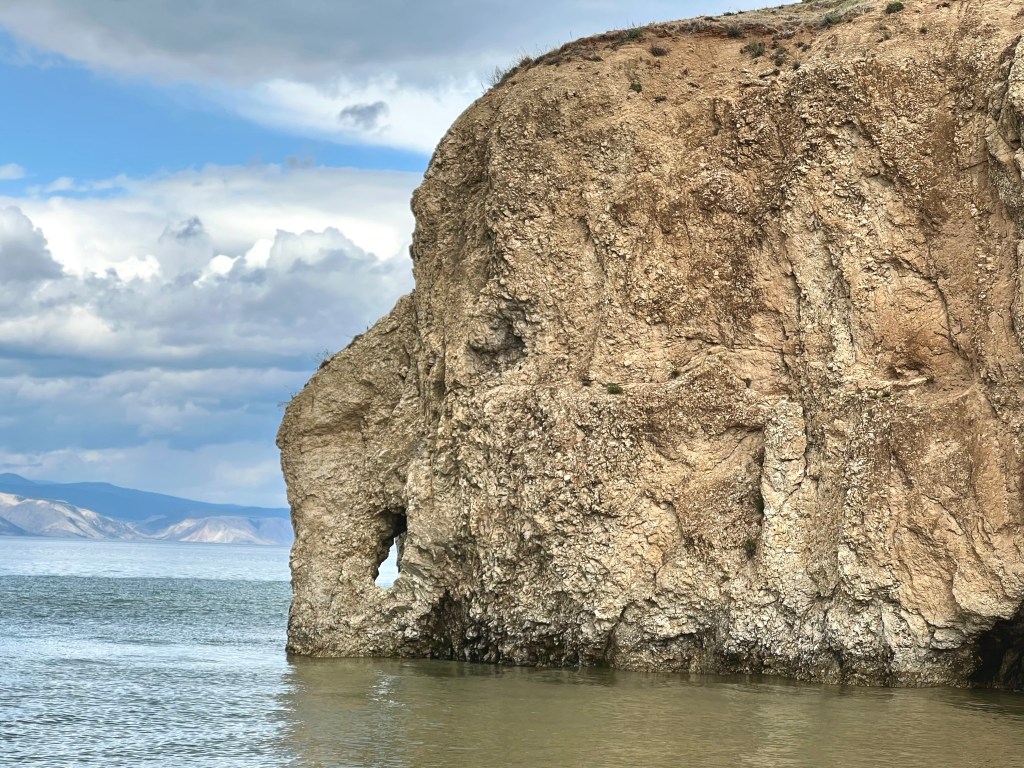
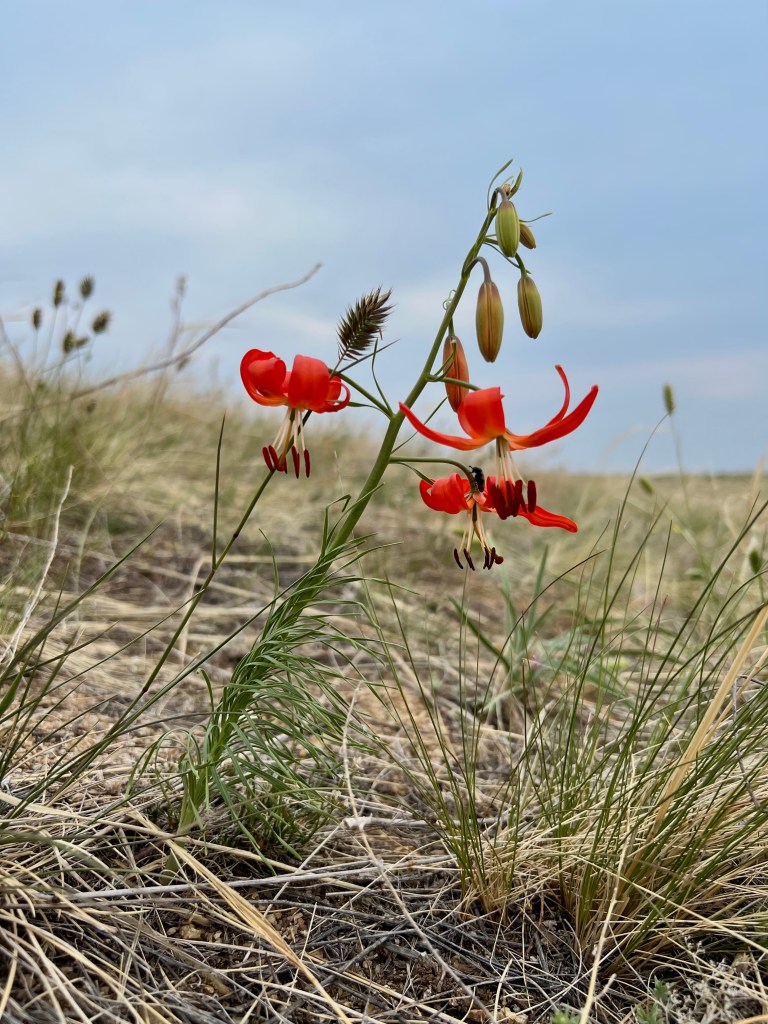


Whimsical and mysterious, majestic and touching – many images of the “heart” of Baikal were reflected, as if in a mirror, in my own heart. It would seem that I had examined Olkhon from all its shores and visited its main shrines and wondrous sights. But, the day before leaving, I learned about the oldest of the island’s existing trees – a big larch tree growing not far from the village where I stayed. I was eager to visit the seven-hundred-year-old wisdom keeper and, the next day, at dawn, I hiked through the forest belt of the island to the village of Kharantsy, near which the revered tree lived.
According to the beliefs of Buryat and Mongolian shamans, certain plants and trees have a special life force, which is why they have been revered since ancient times. On Olkhon, these are wild rosemary, fir, cedar, and, especially, larch. In Buryat mythology, larch is a symbol of the world tree, connecting the three worlds and giving life energy; and it is also the personification of the ladder along which the prayers of shamans ascend to heavens. The thicker the trunk, the more the tree is worshiped, while the oldest and most powerful tree in the area is called the mother tree. According to local beliefs, such trees contain a tree spirit that can protect a person and help overcome adversity. The mythology of the Buryats and Evenks also regards the larch to be a shamanic tree because after training in other worlds, the animal soul of the shaman returns to the middle world and settles in such a tree to act as a spirit-helper in shamanic rituals. According to tradition, each of Siberian shamans has their own special tree, with which their power is associated.
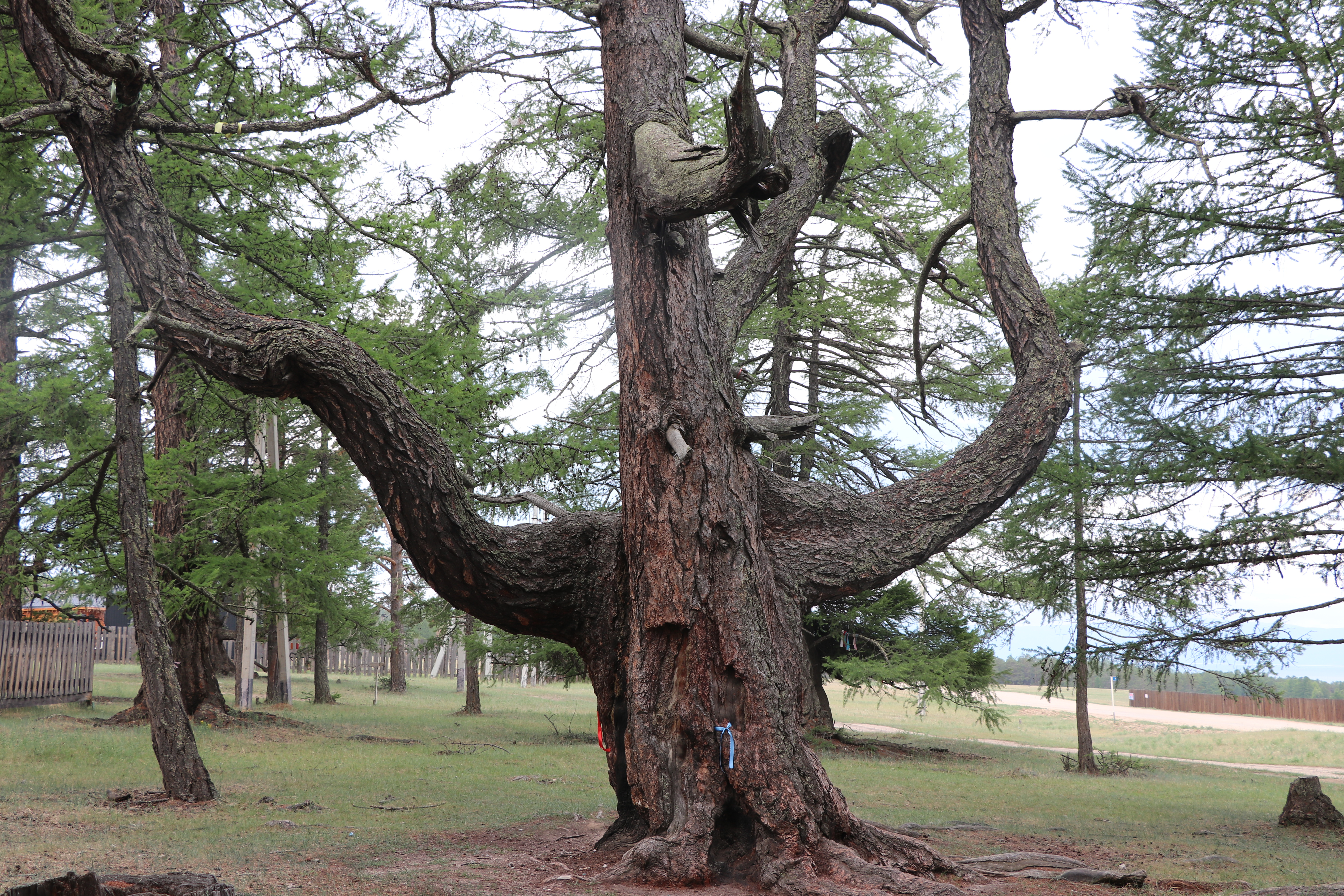

Having reached the deserted village through the forest illuminated by the golden morning light, I found the sought after ‘Elder’ of the island. With a gesture of its branch-arms spread wide, the tree seems to welcome the guest, or perhaps demonstrates a mesmerizing shamanic dance frozen in the moment. If Olkhon is considered the heart of Baikal, then this larch must be the center of the island, because life is nothing but a moment in the dance of eternity. Having admired te larch long enough, I hugged and thanked the wisdom tree for the opportunity to get acquainted with the life and myths of the island and, just in case, made a heartfelt wish. Although it is not at all necessary to be a shaman, but still, the endless blue sky is one for us all.

- Брянский, В. П. – Здравствуй, Байкал! : Акватория и побережье. Памятники природы. Иркутск : Вост.-Сиб. кн. изд-во, 1989.
- Баторов П. П.: сборник статей. Изд-во Института географии СО РАН, 2006
- Волков С. Святыни и легенды Байкала. Поклонение священным деревьям. https://volkov.irkutsk.ru/sviatyni-i-lieghiendy-baikala/ 2023 г.
 Beloved Earth. Sketches from the Temple