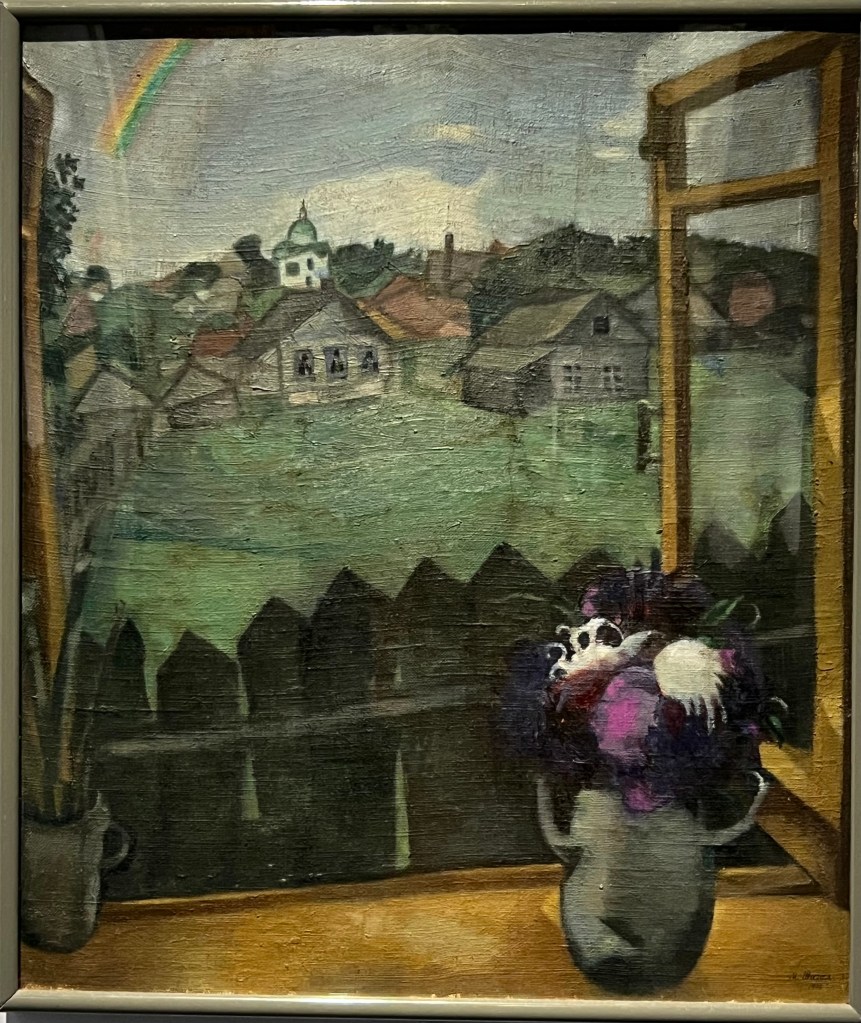
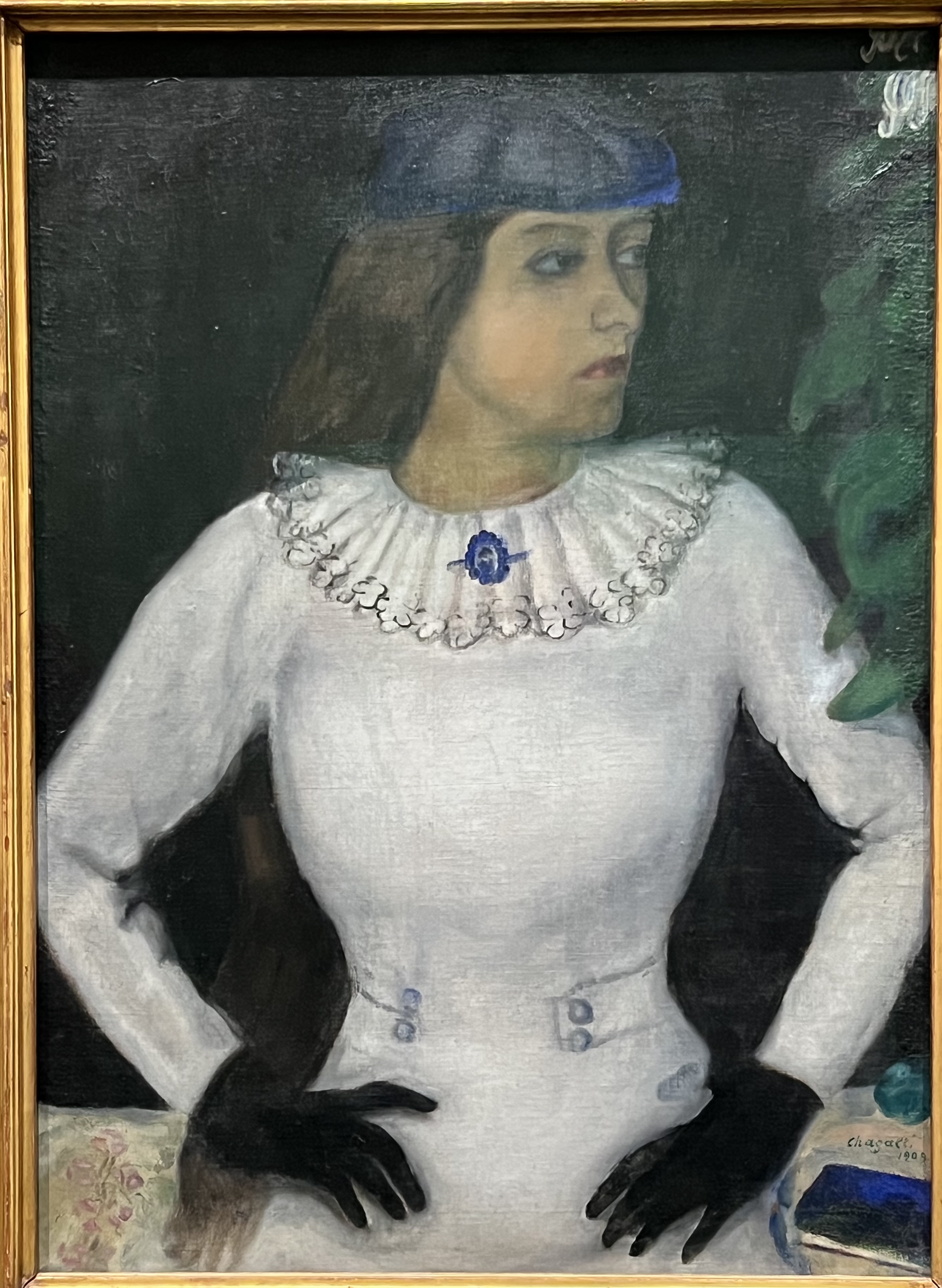
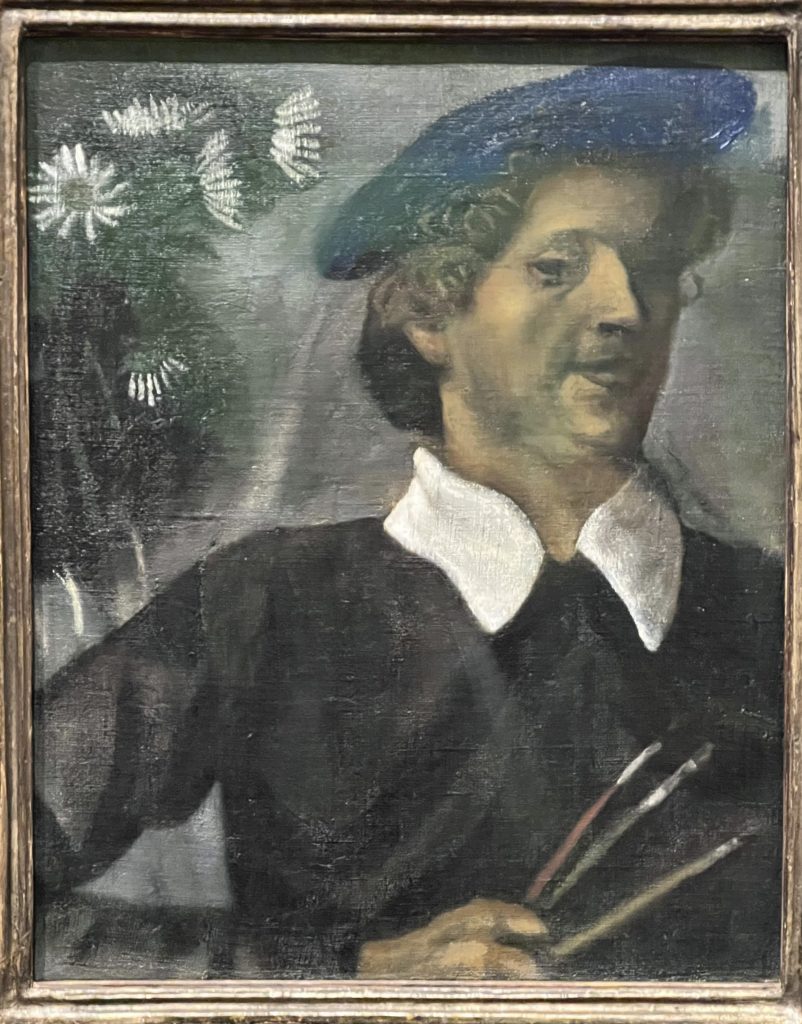
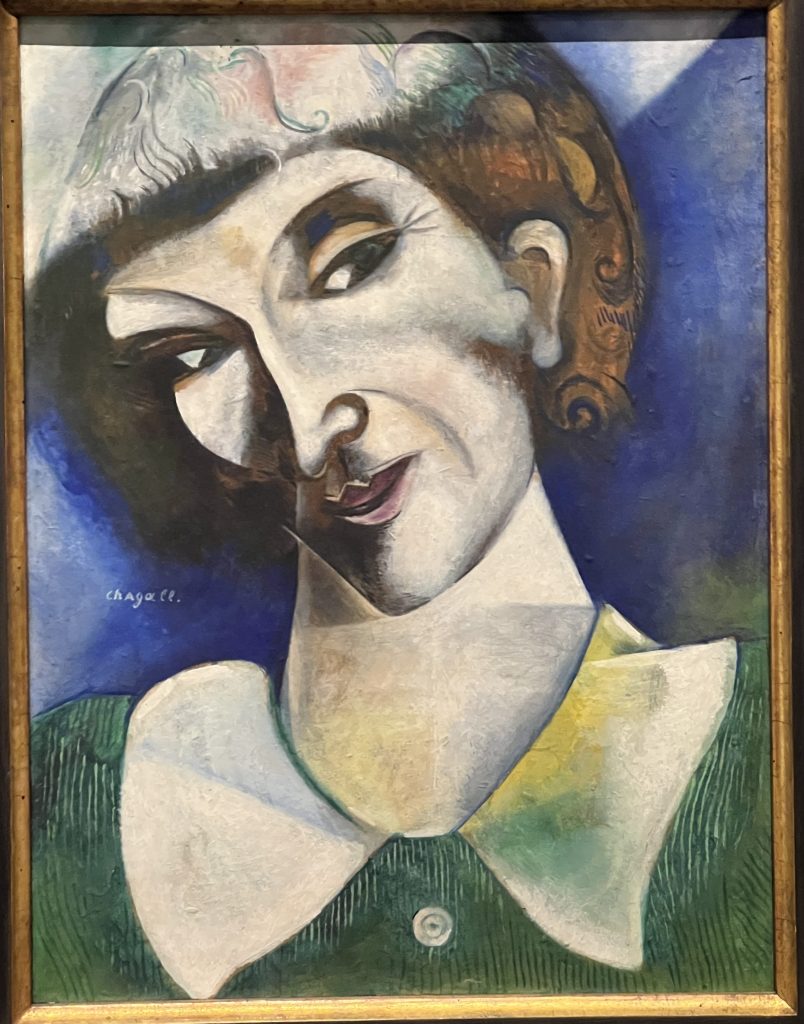
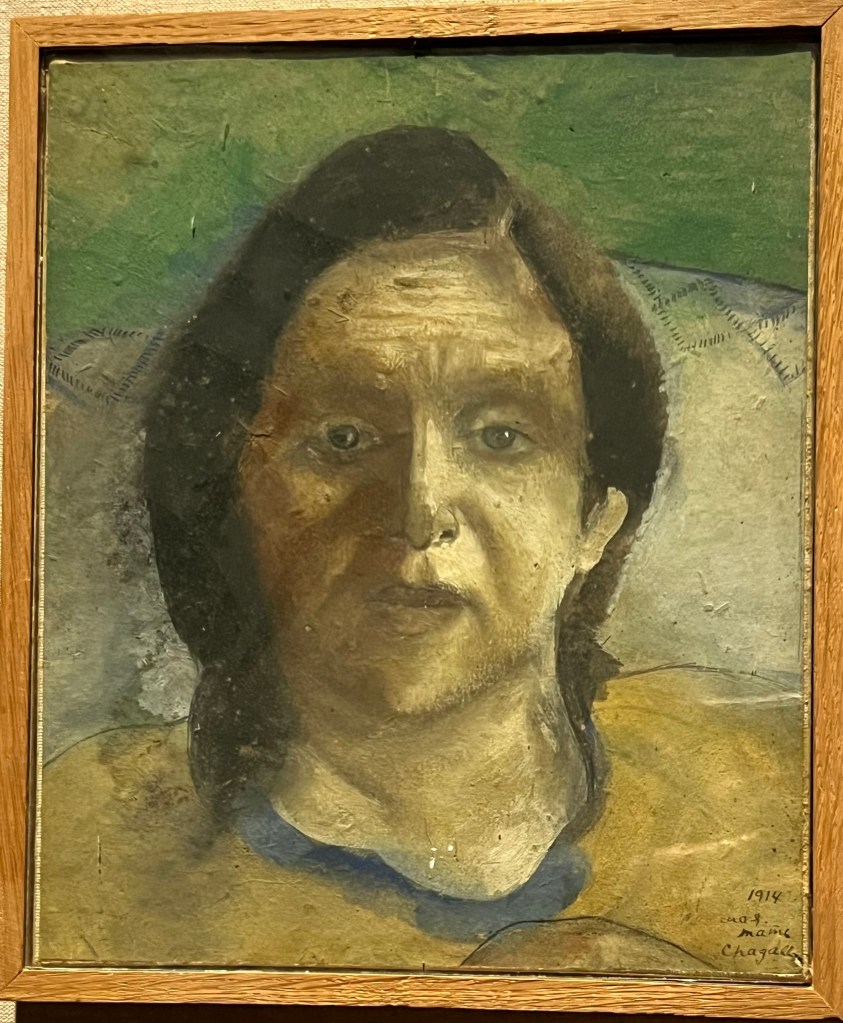
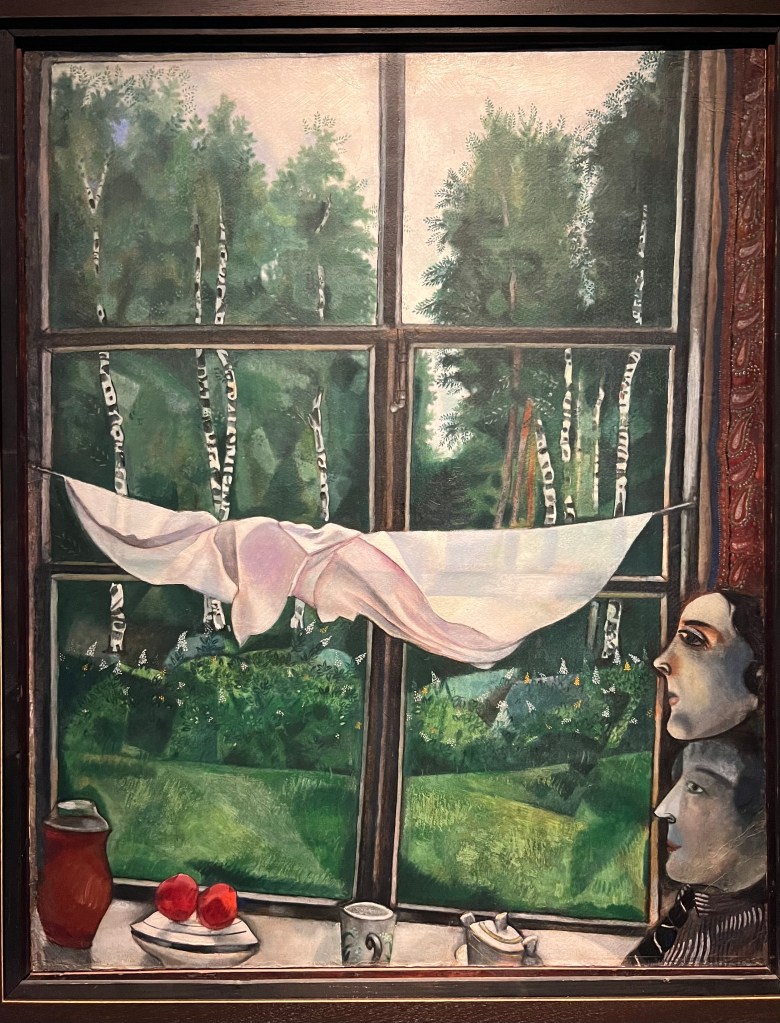
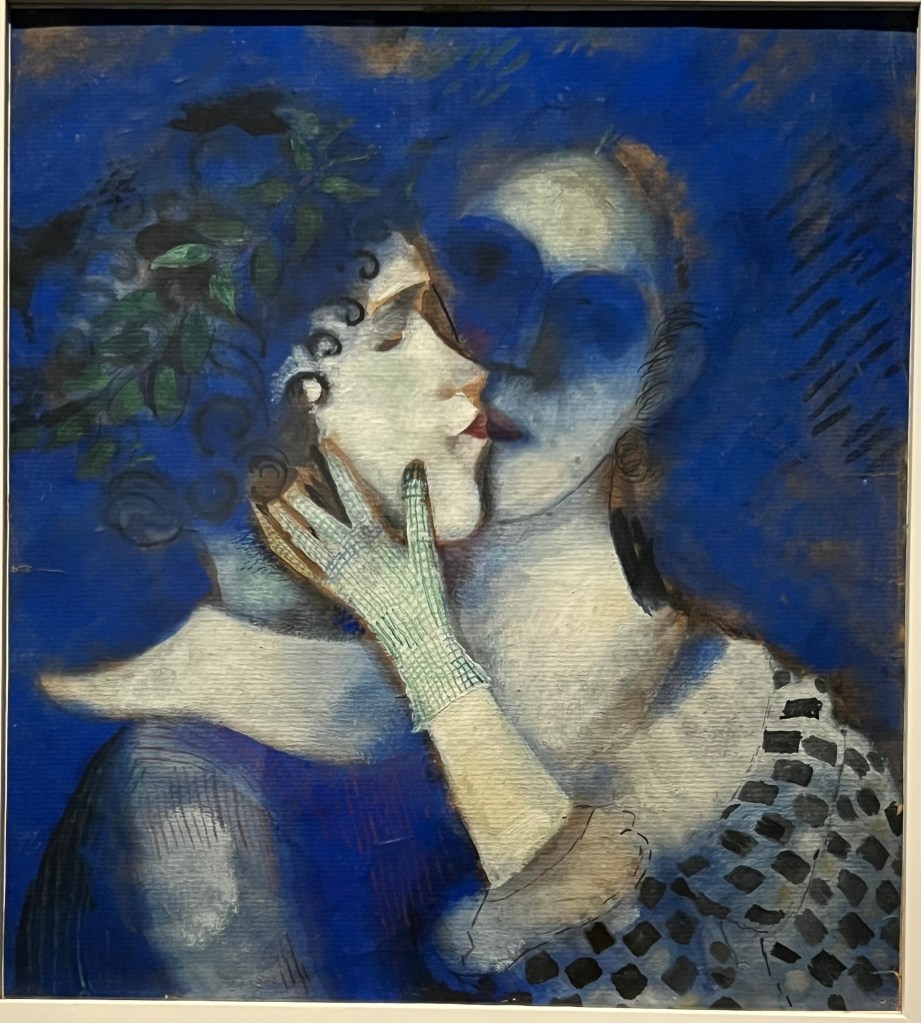
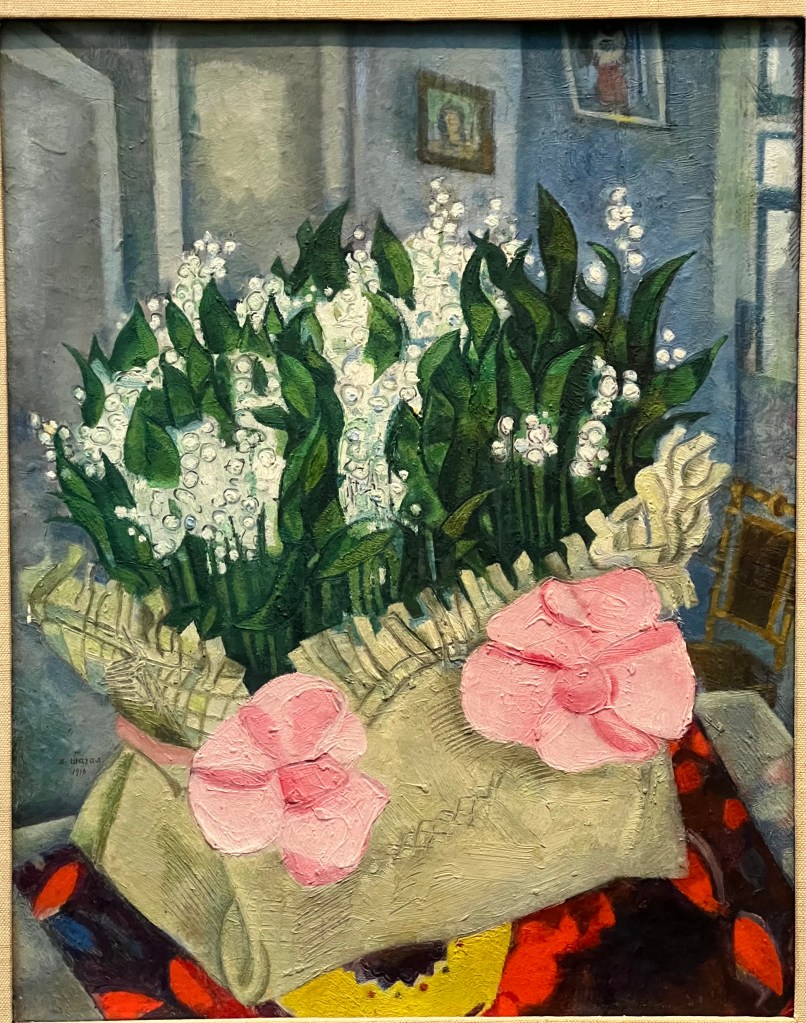
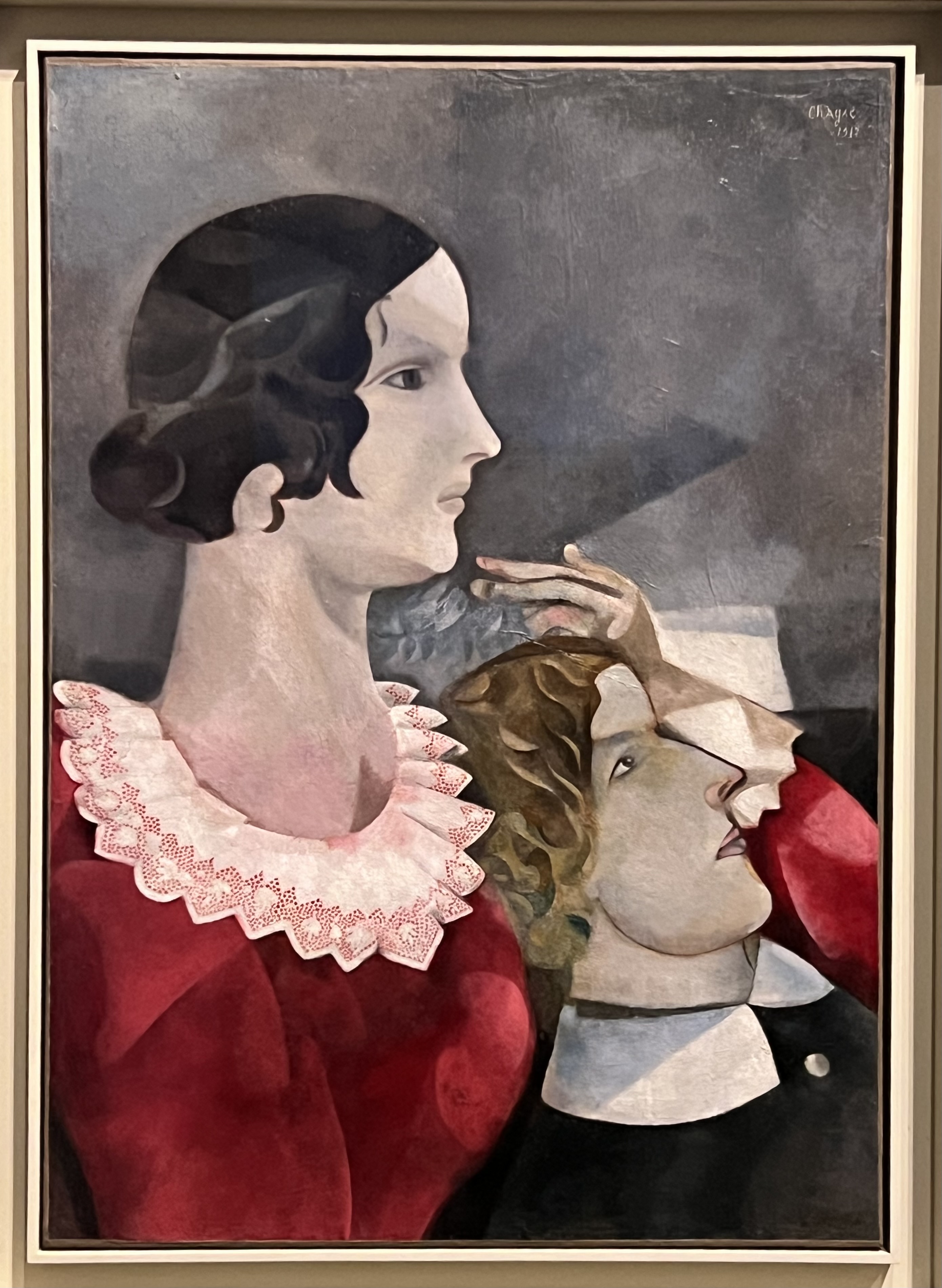
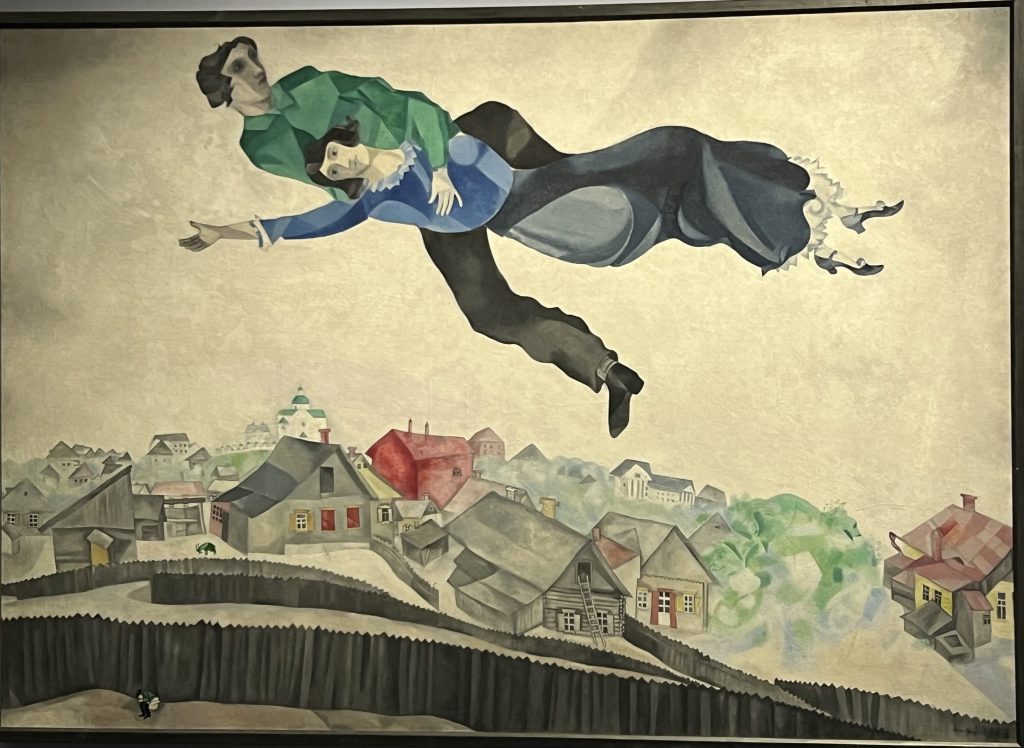
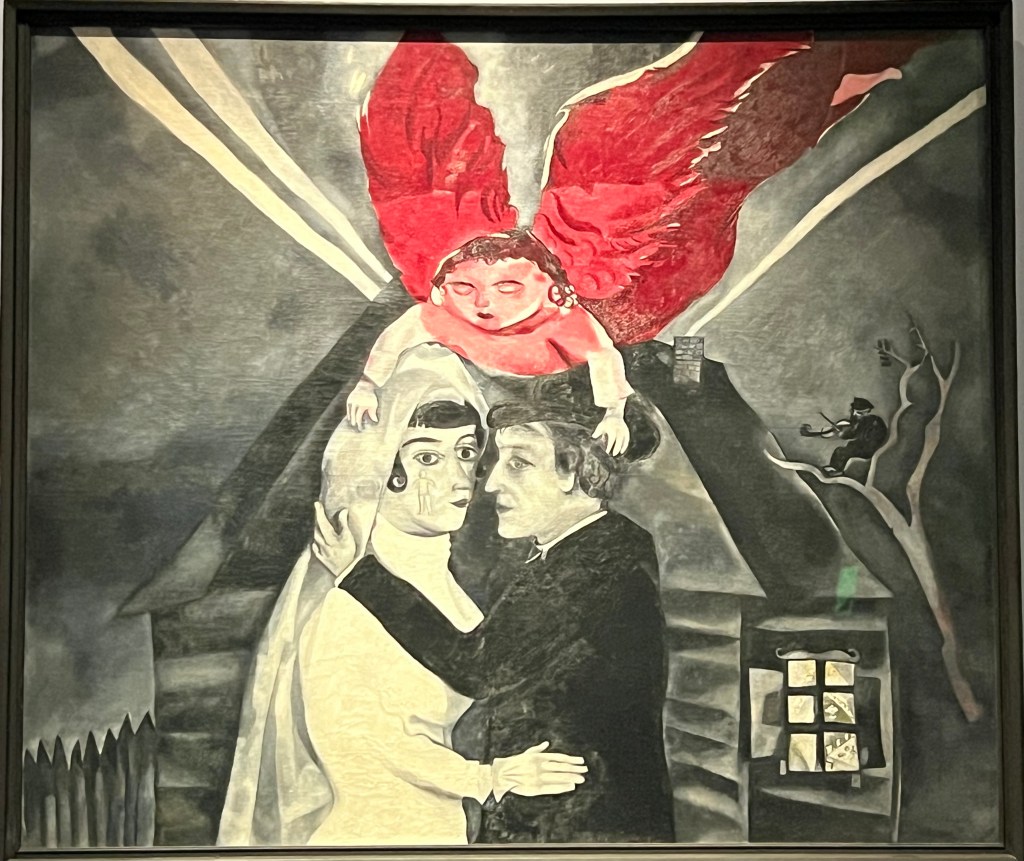
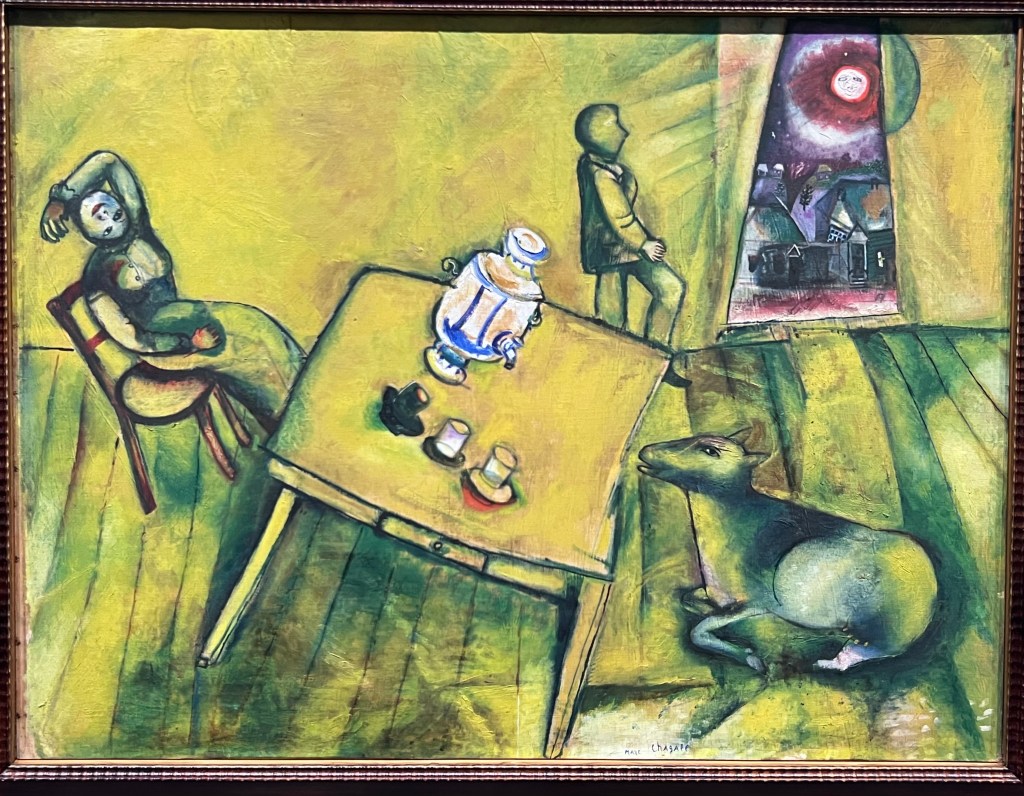
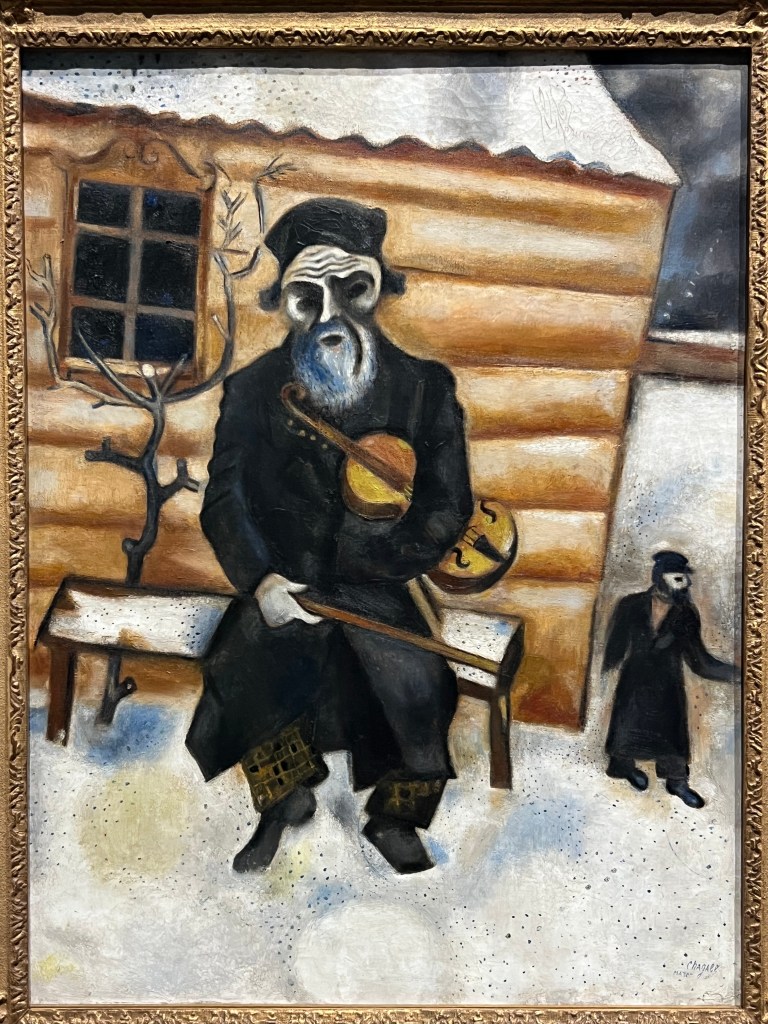
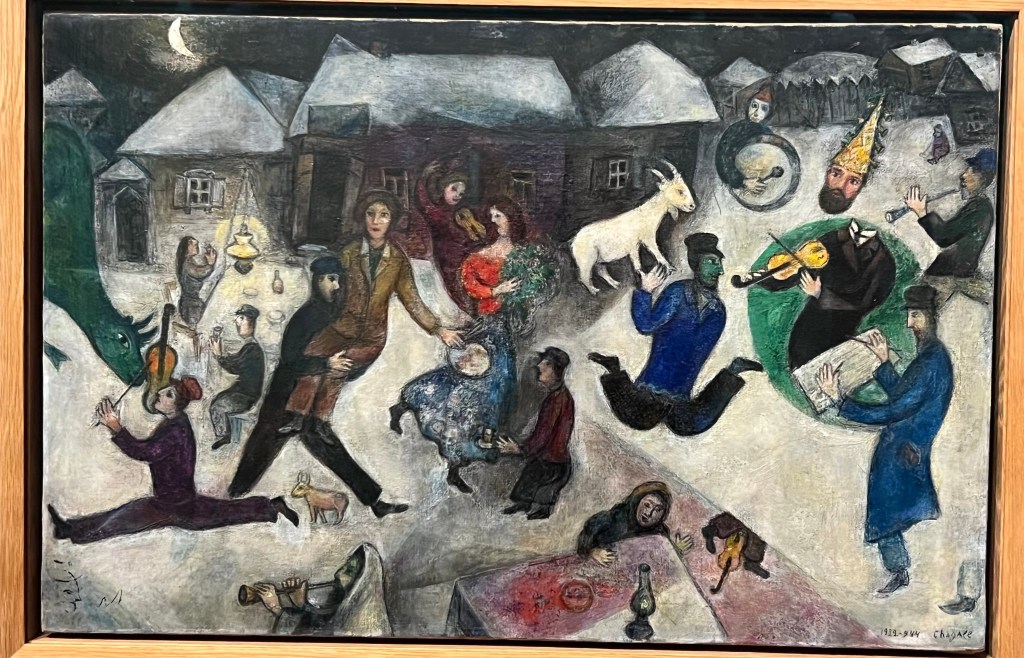
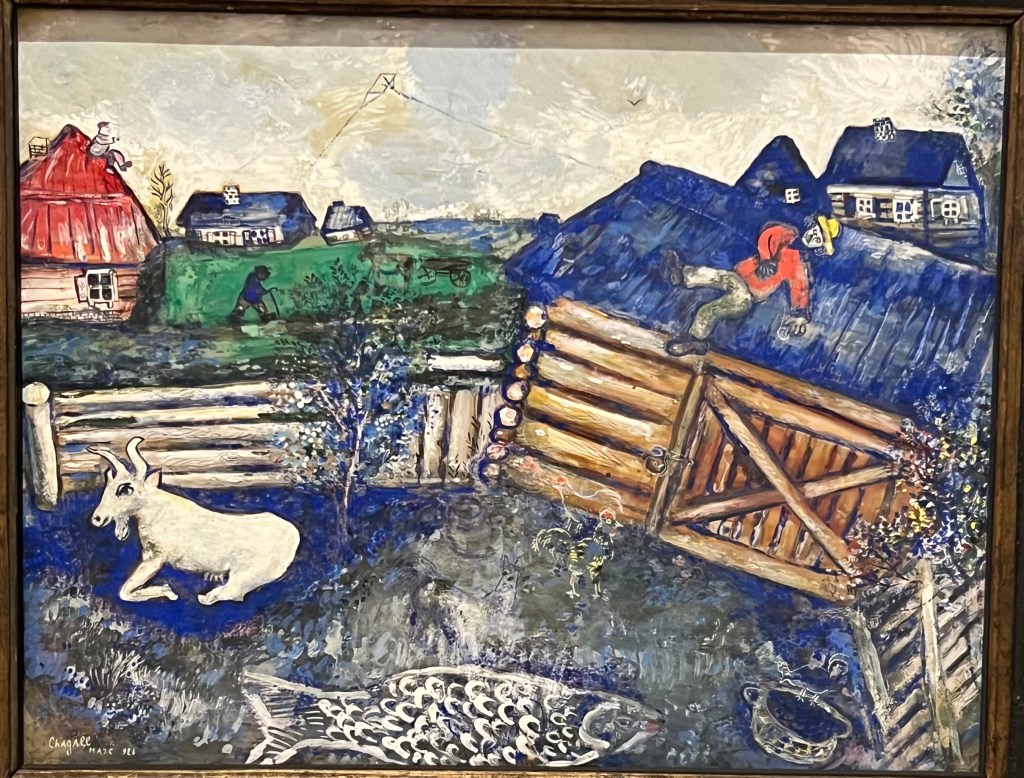
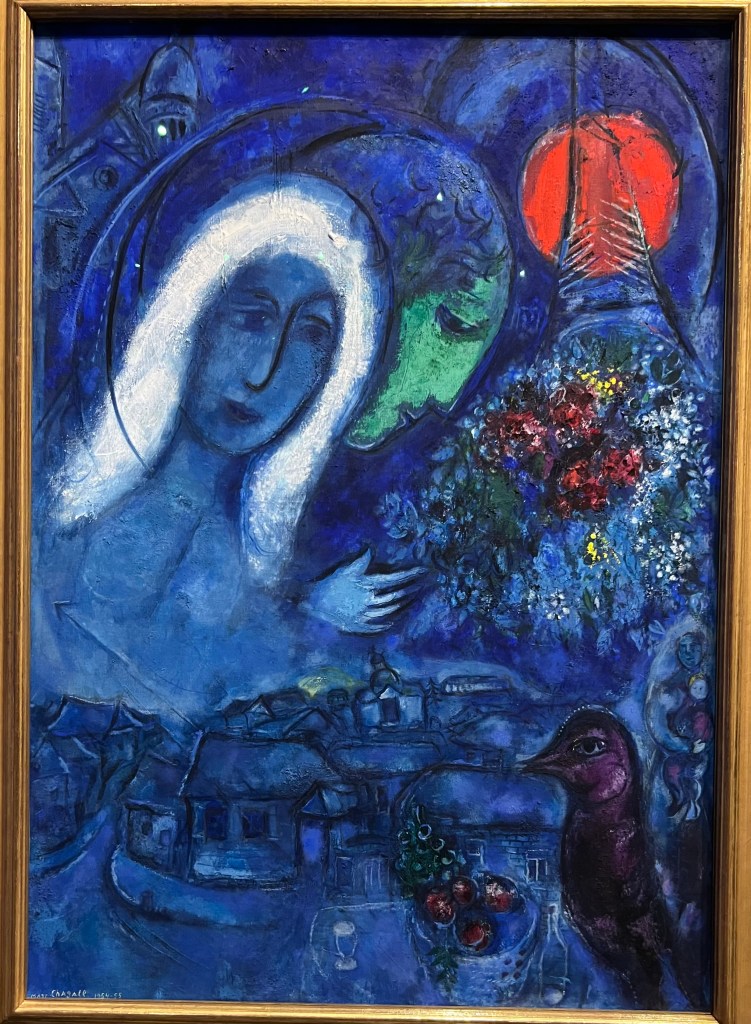
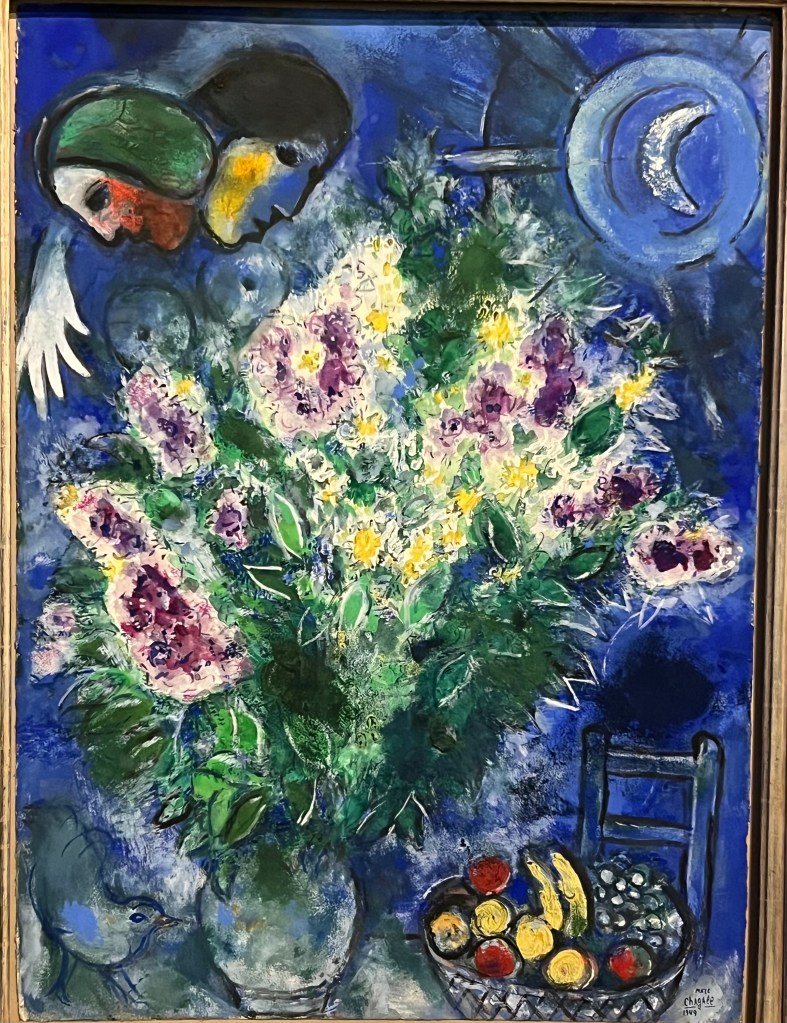
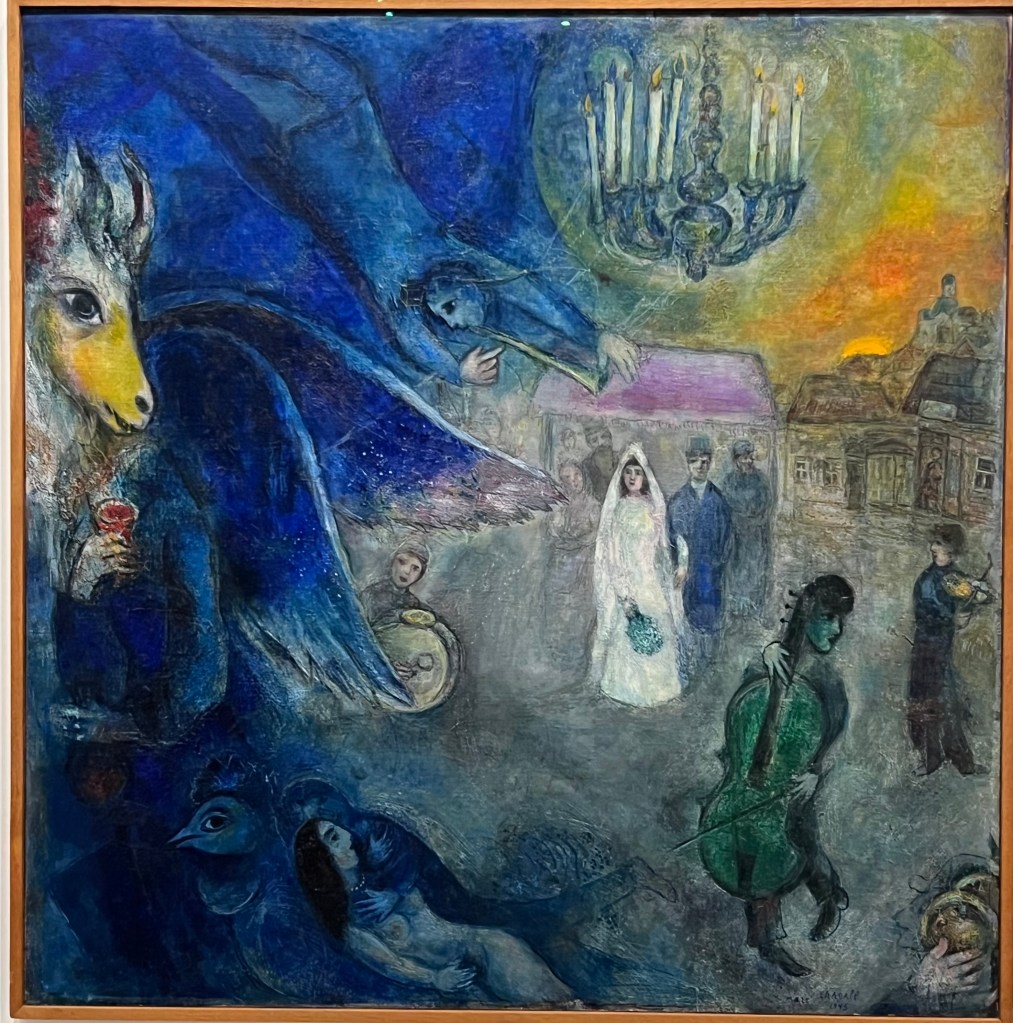
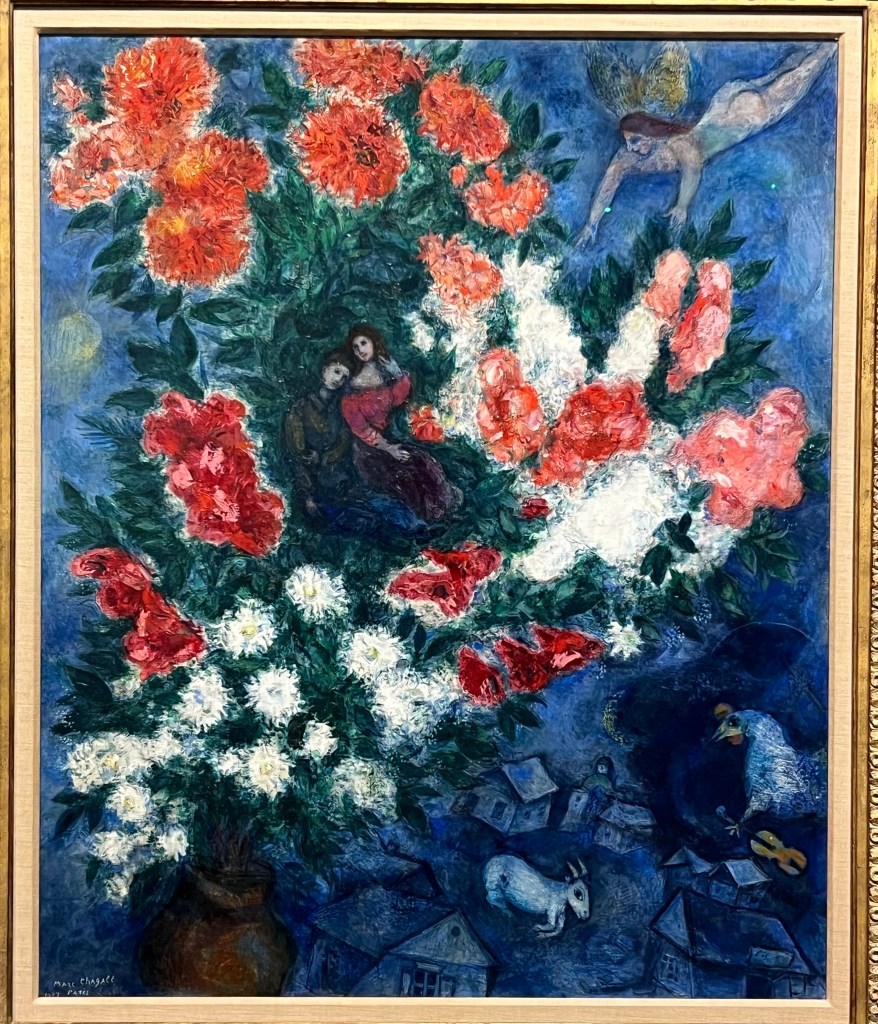
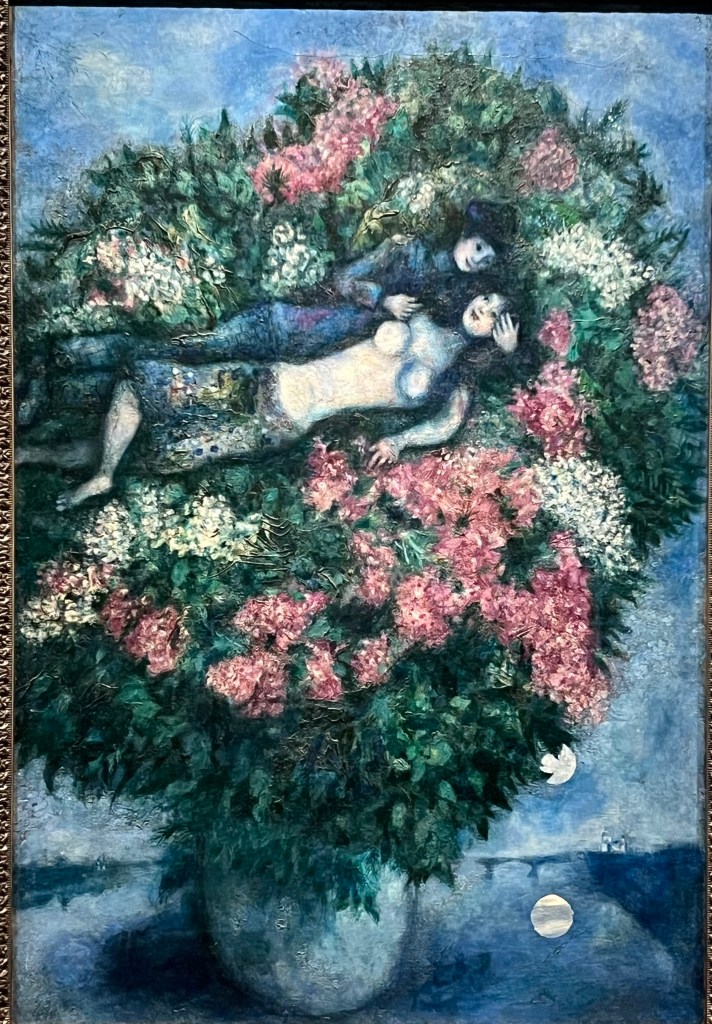
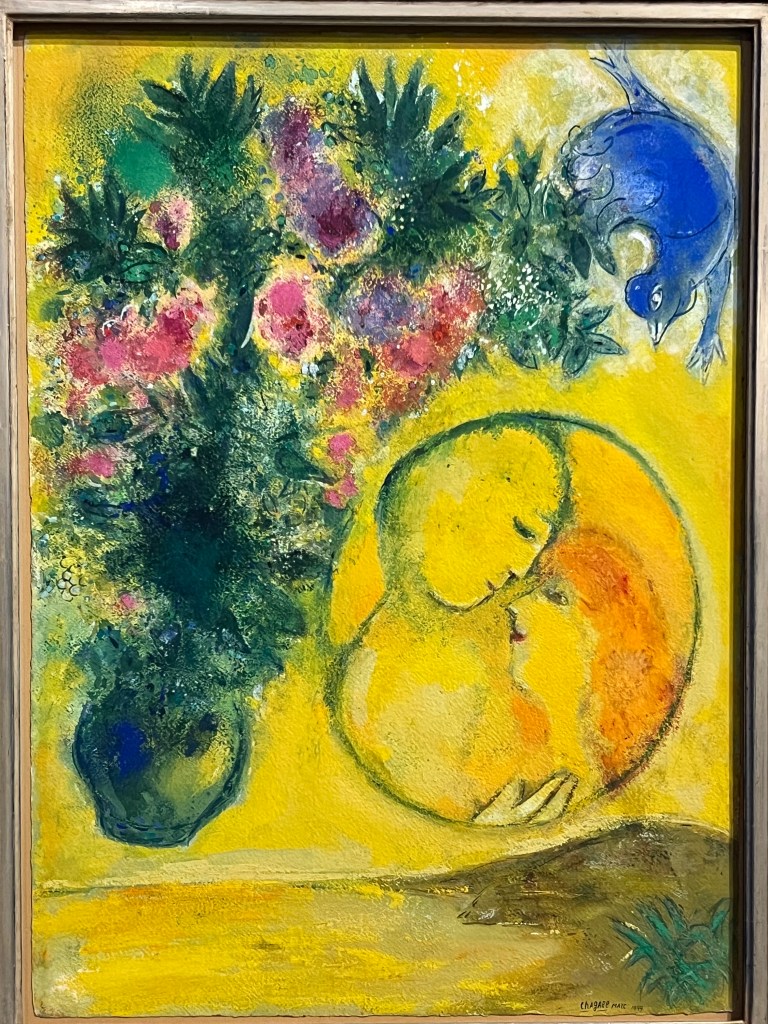
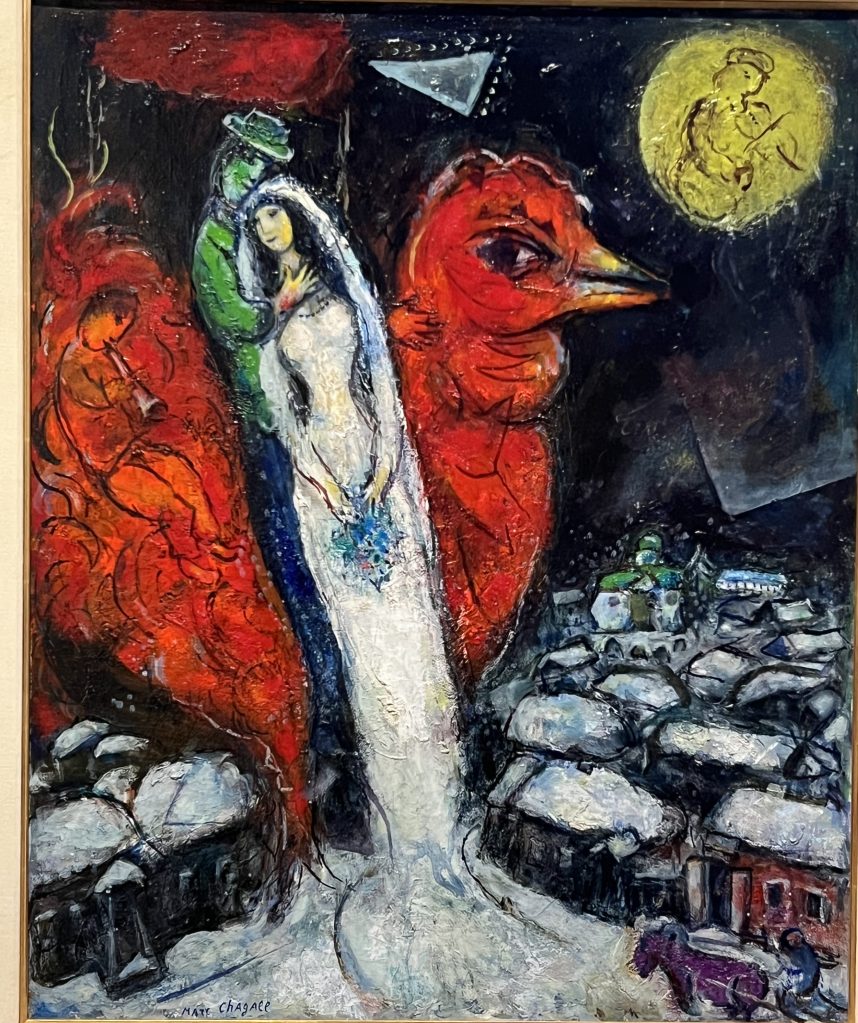
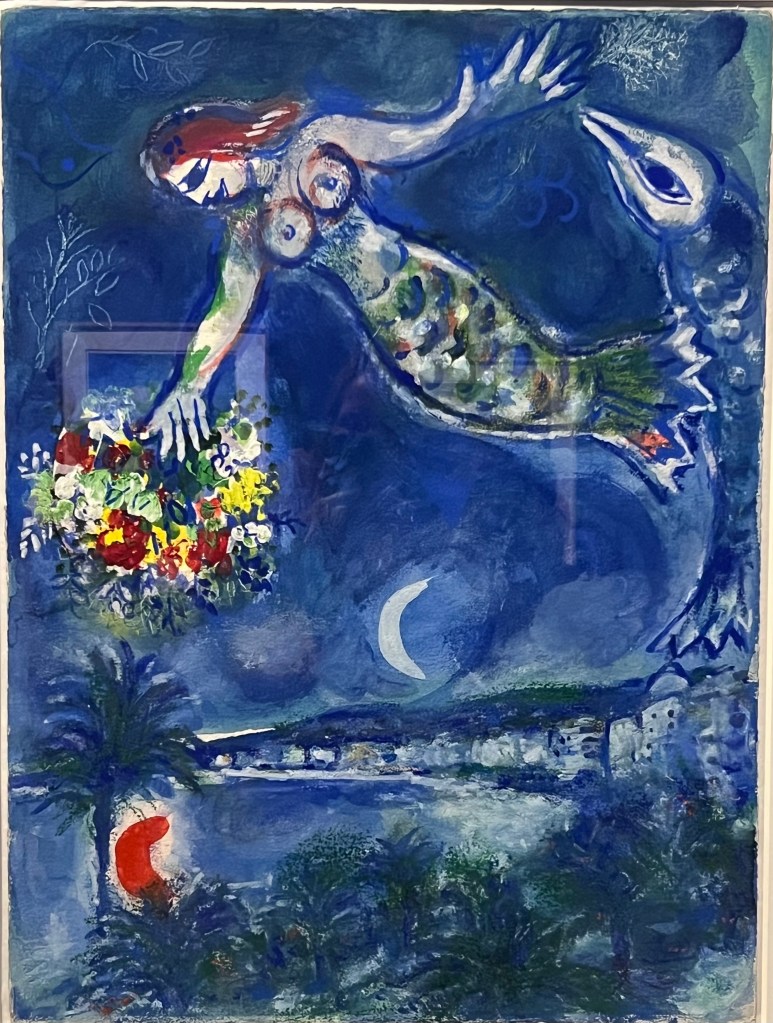
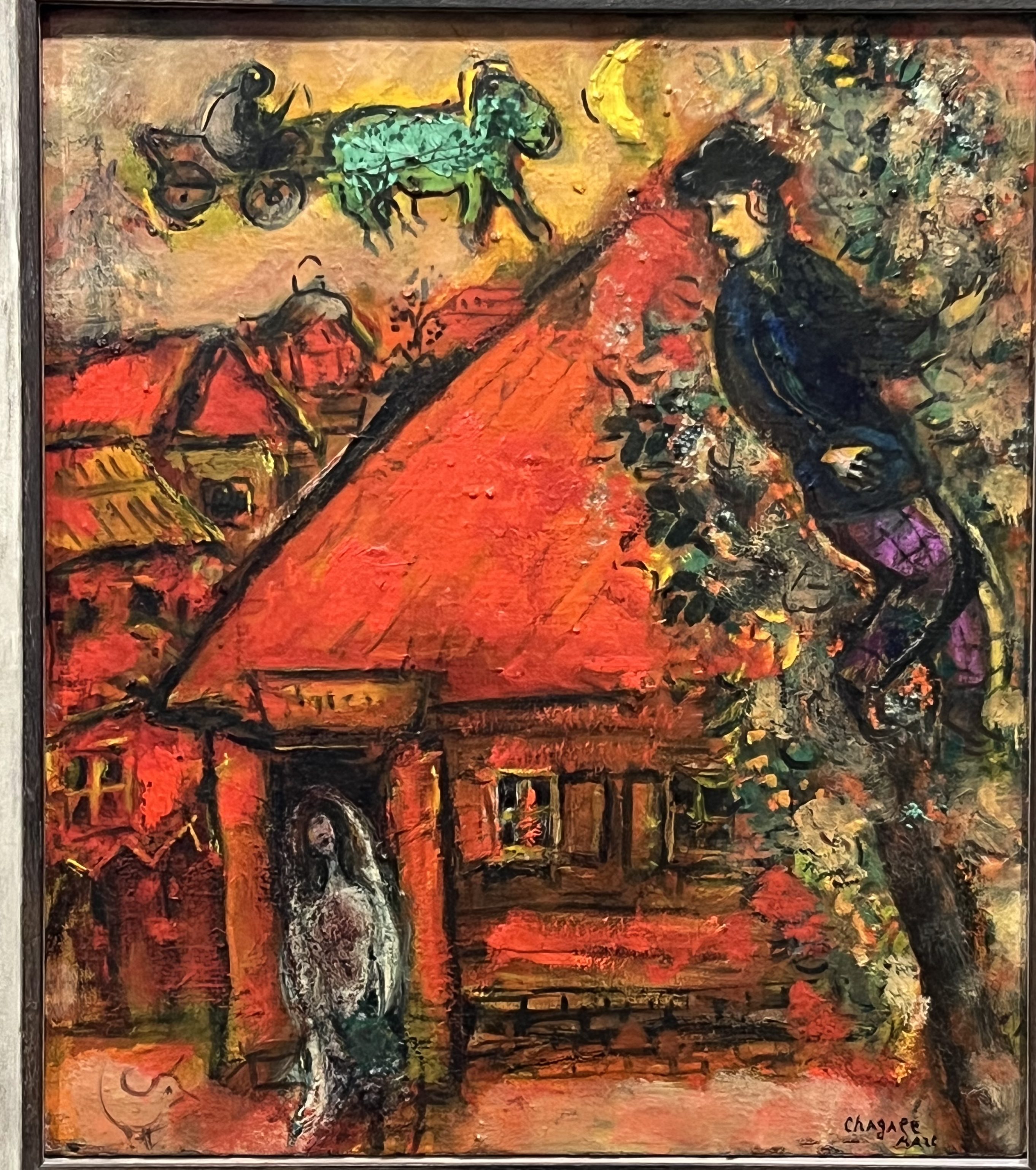
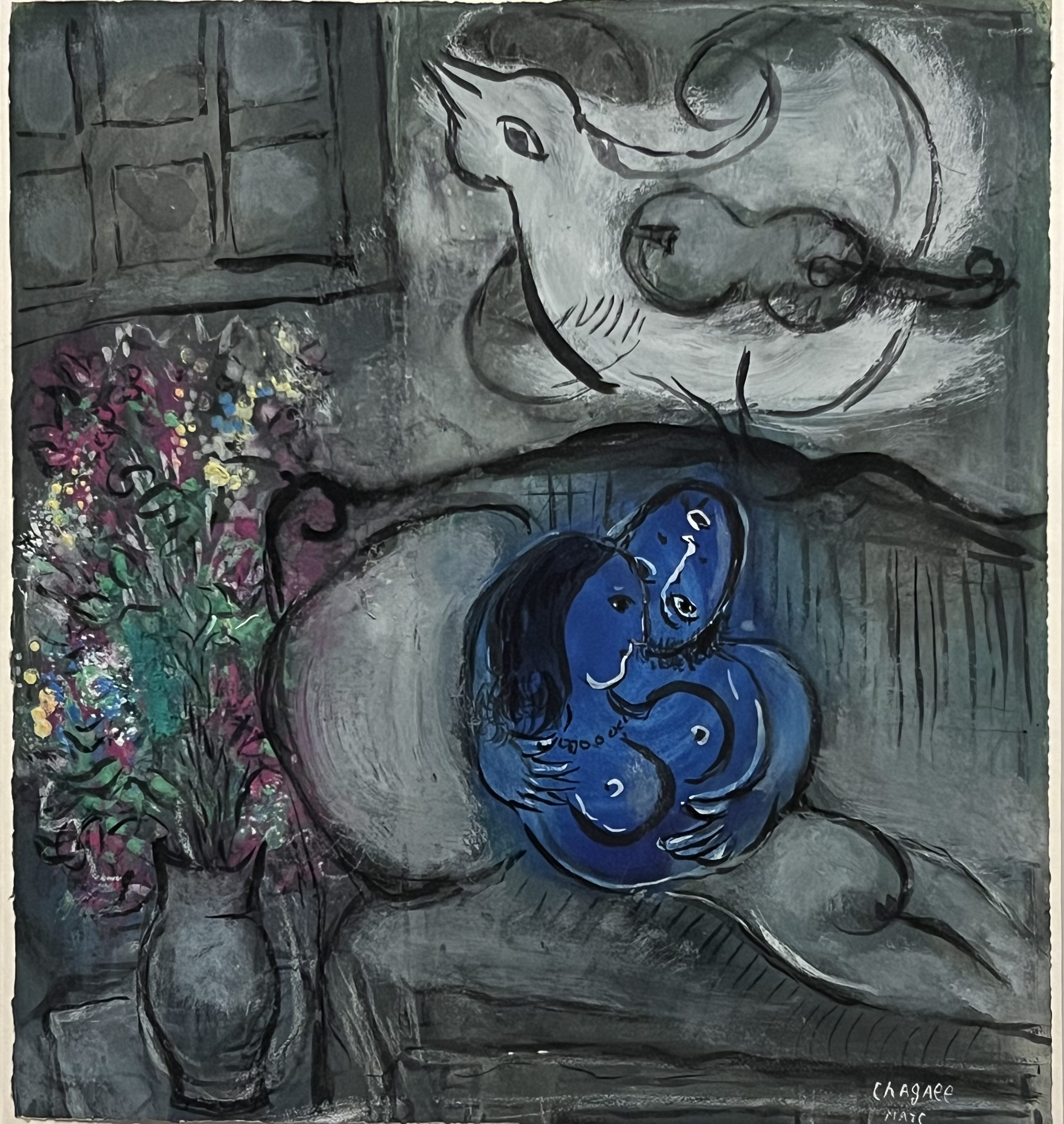
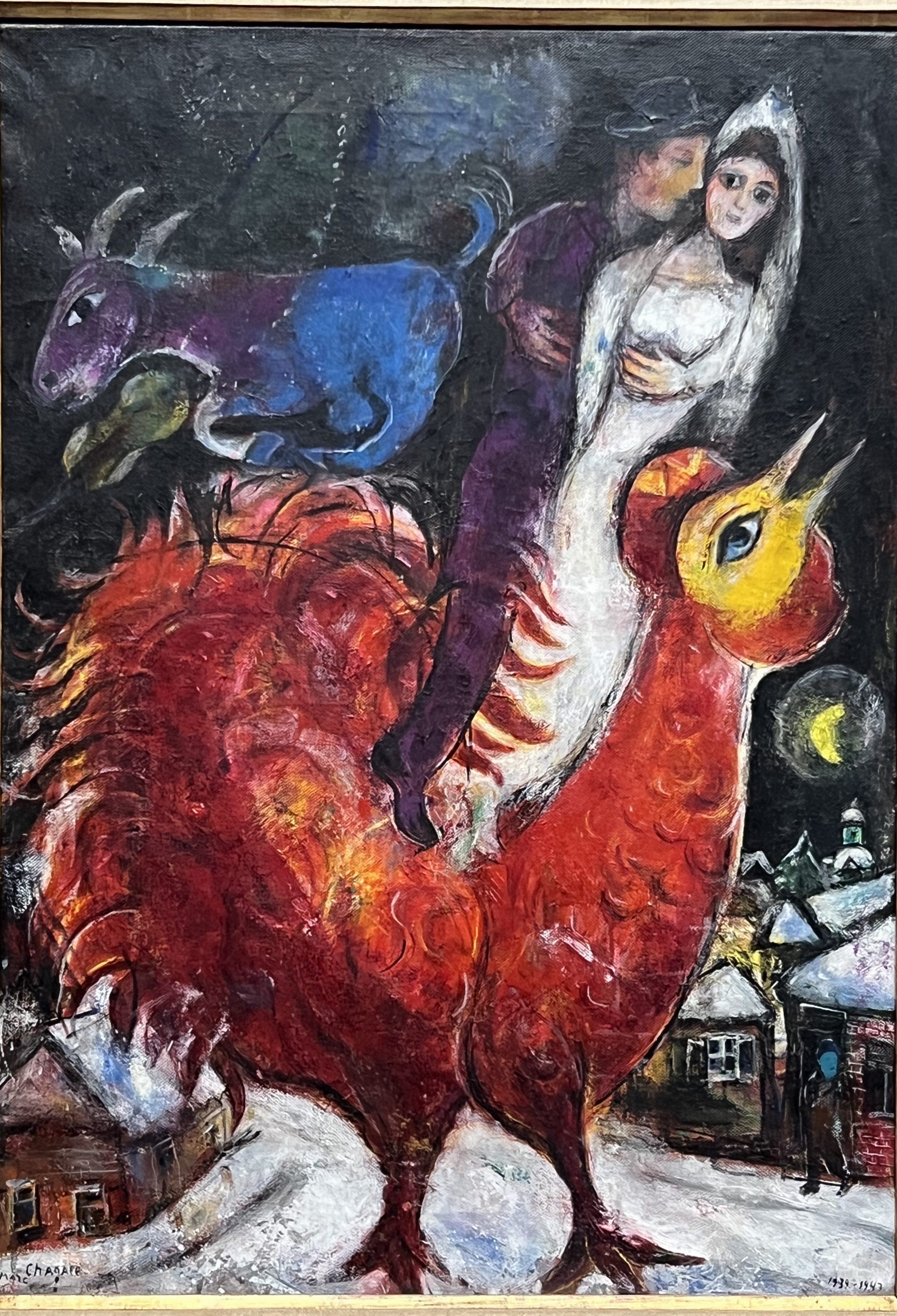
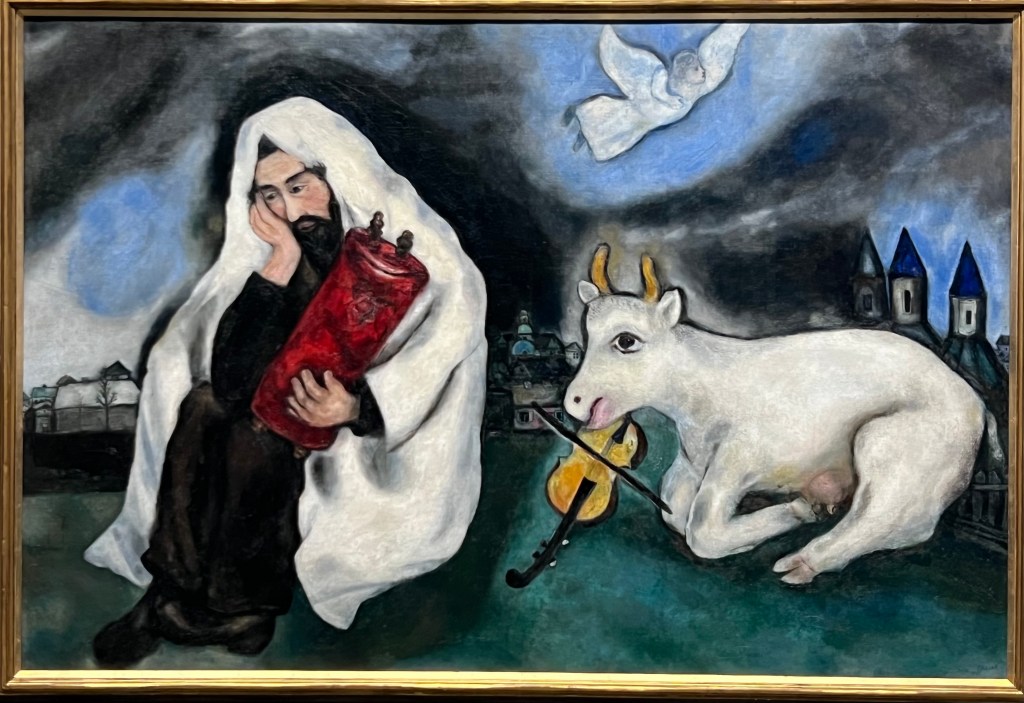
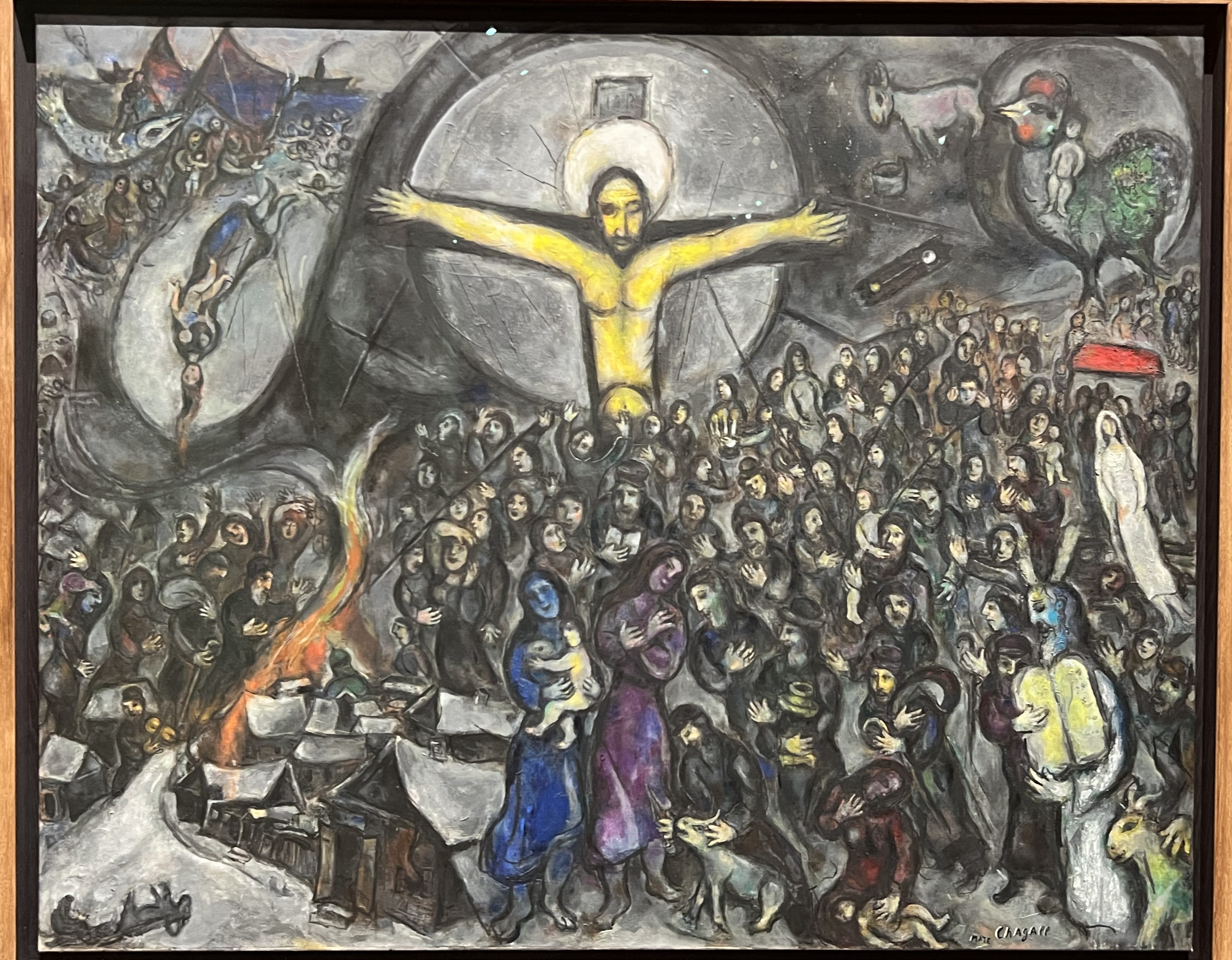
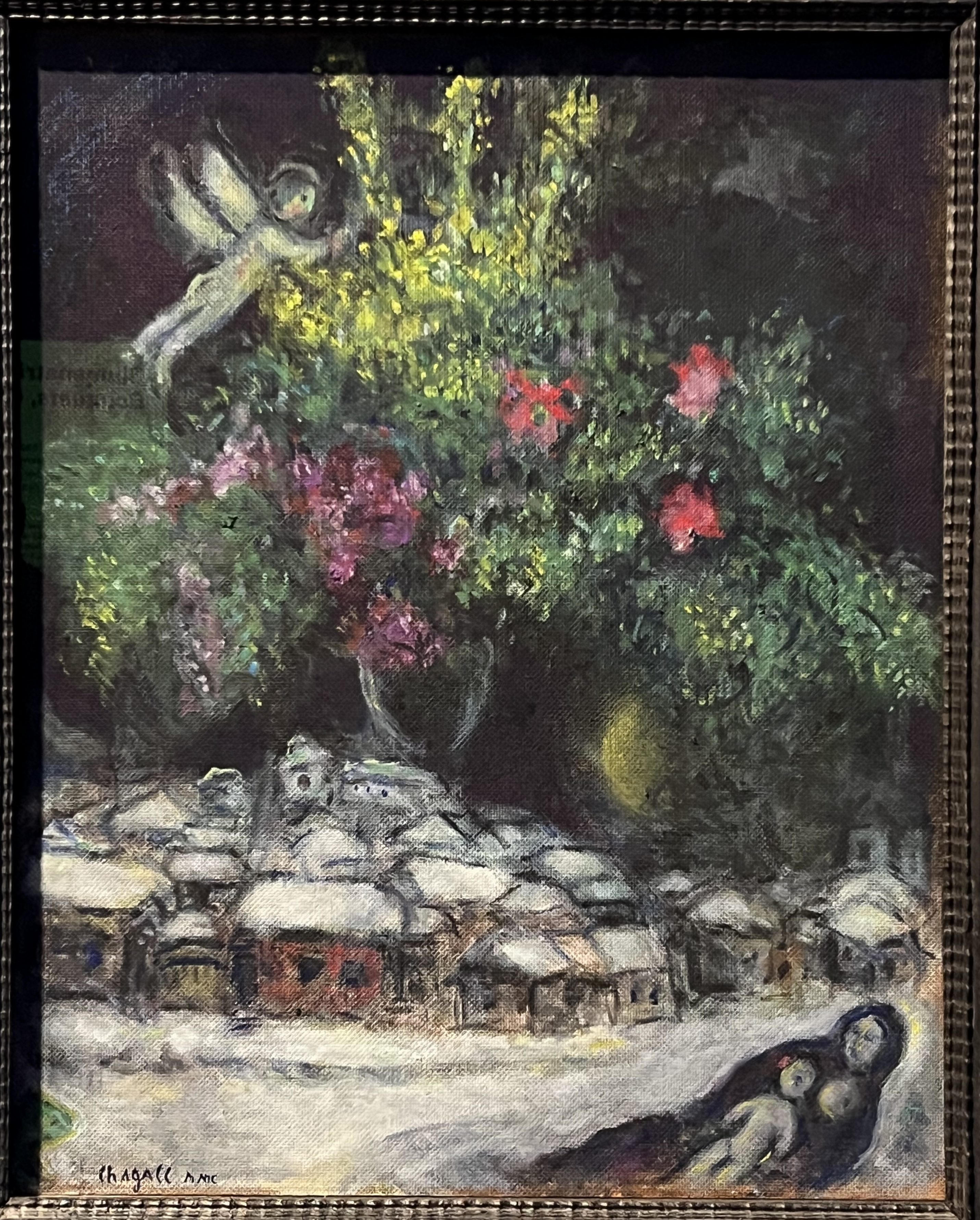
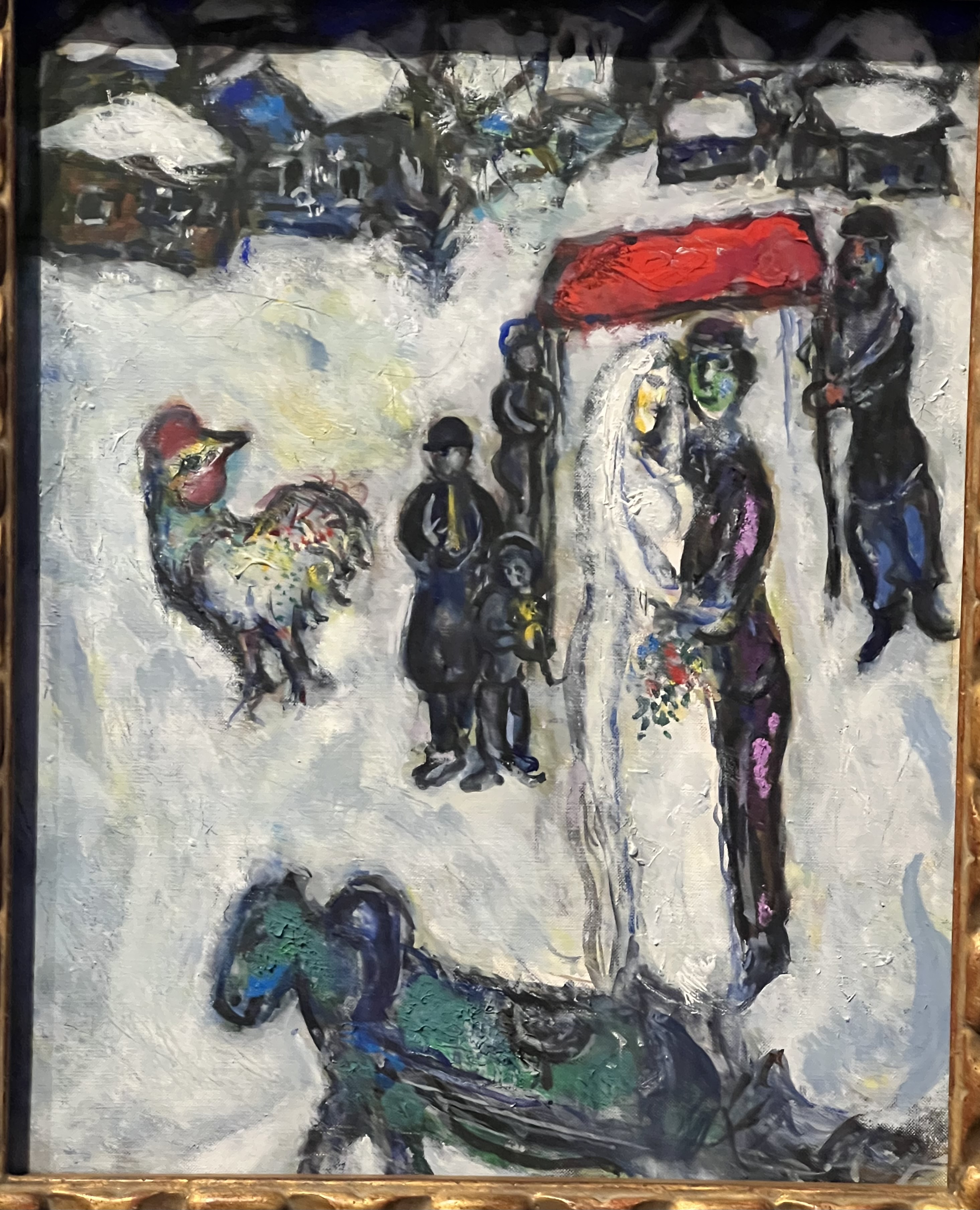
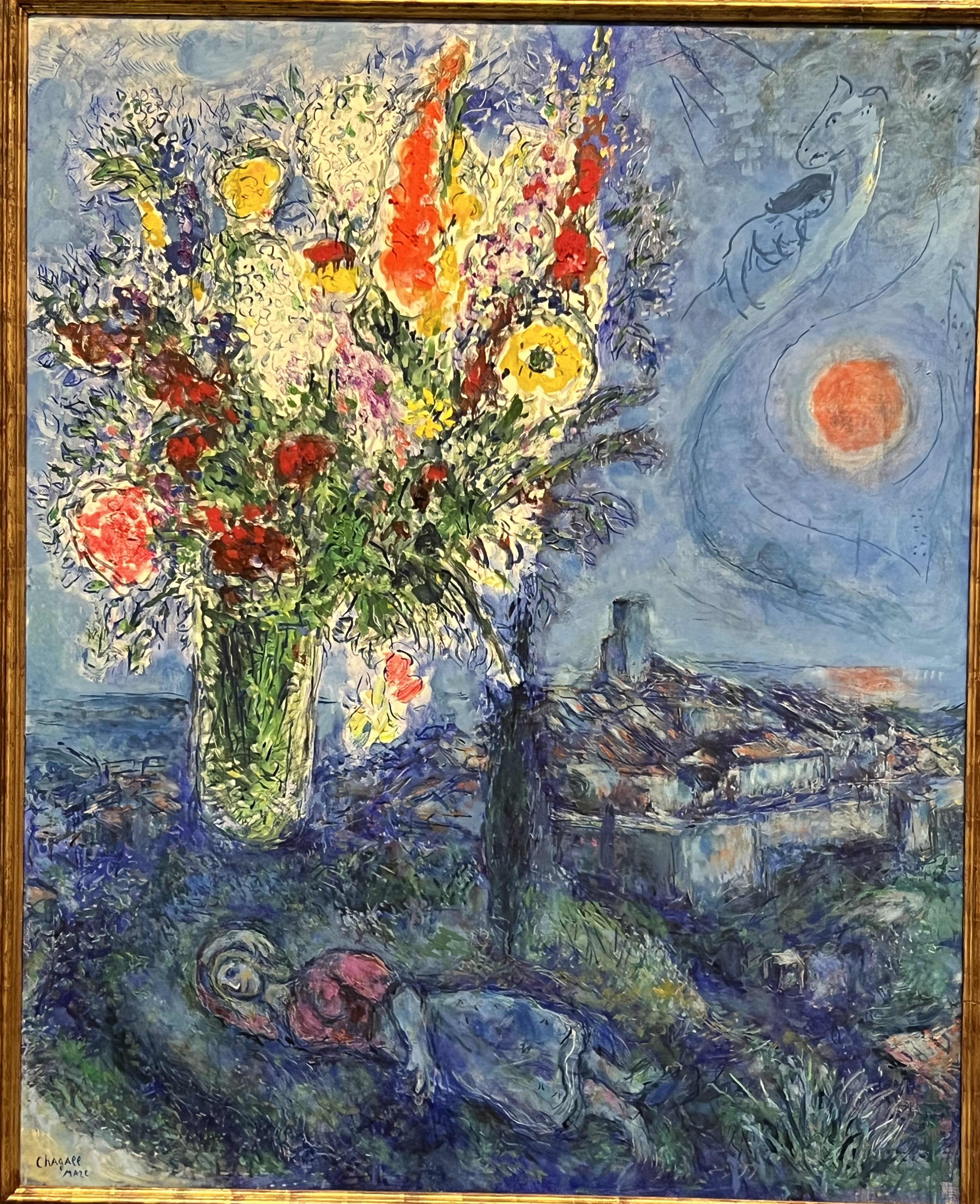
The Russian-French painter Marc Chagall (1887-1985) is an exceptional talent of modernism and one of the most important artists of the twentieth century. His work is characterized by fantastic imagery in bright colors. His motifs remain enigmatic to this day. As a young artist, Chagall moves equally in the worlds of poetry and painting, experimenting with Expressionist and Cubist techniques and motifs. He becomes a master of color and combines the latest art movements with Jewish-Russian stories and motifs in a unique way. But the dreamlike worlds that Chagall creates in his early works are by no means merely poetically charged fairy tales. Rather, they contain a biting critique of the social conditions of the time. As a Jewish painter, Chagall’s pictures tell of everyday life and customs, but also of the exclusion and violent attacks against the Jewish people. In later decades, Chagall reflects on his origins and reacts sensitively to social developments and world events. His hometown of Vitebsk (in present-day Belarus) and his adopted city of Paris increasingly become places of longing for him, and Christ the Crucified Jew becomes a symbol of suffering.